
Tick Bites: Dermatologist Advice to Identify, Treat, and Prevent
Tick bites can occur unexpectedly, leaving serious health risks if left untreated. The most alarming side effects including, Lyme Disease or Rocky Mountain spotted fever. Dr. Alexandra Bowles answers questions on identification, treatment if found attached to the skin, and how to prevent them in the future.
Tick Bite Identification
What do tick bites look like?
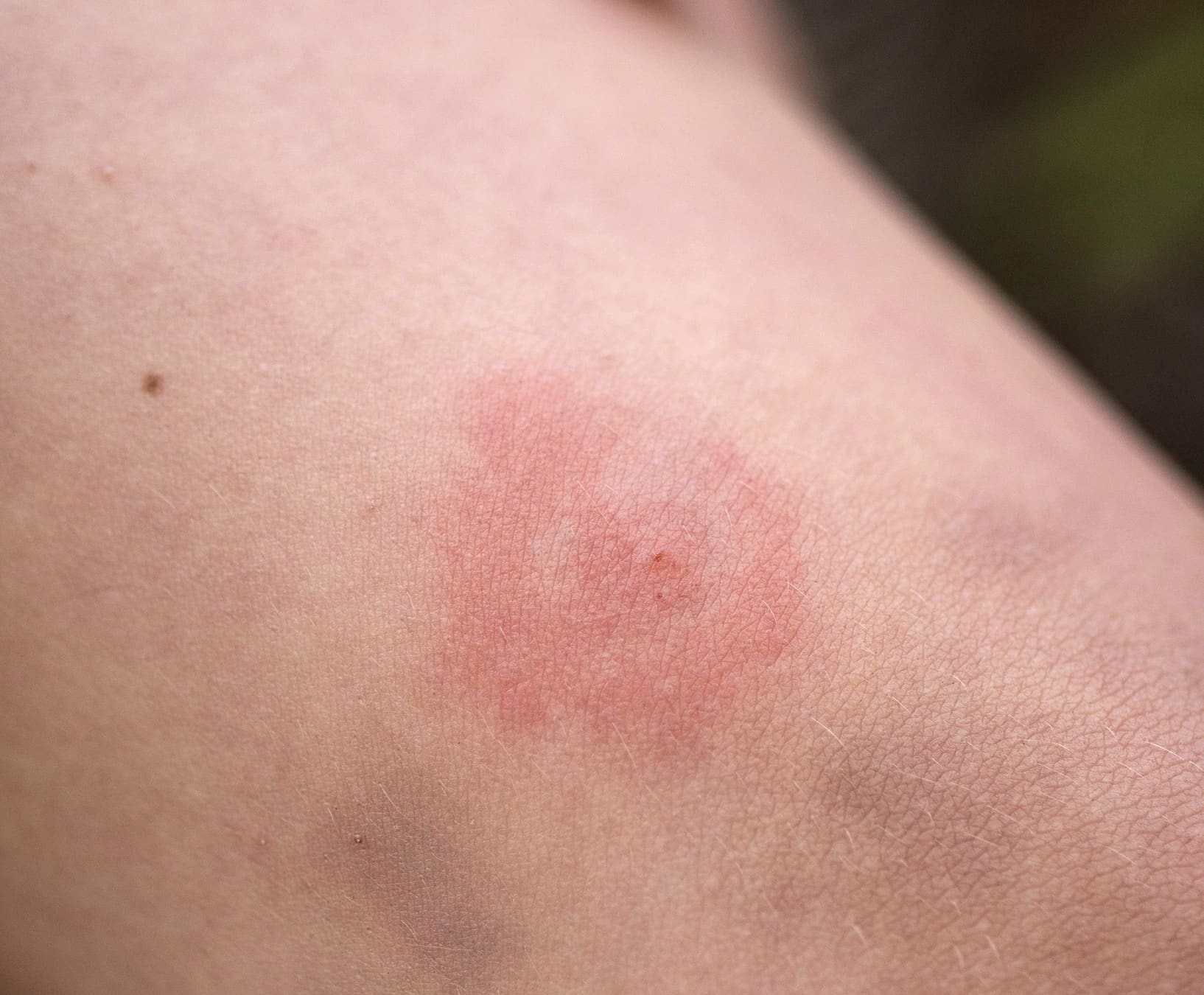
Tick bites often appear as small red bumps, sometimes with a darker center where the tick was attached. They can look like mosquito bites but are usually firmer. Some bites may develop a larger red area or a rash, including the bull’s-eye pattern associated with Lyme disease, though not every tick bite causes this rash.
What are symptoms and risks that could arise with tick bites?
Often symptoms that can indicate a bite, could consist of mild redness, swelling, or itching. The bigger concern is that ticks can transmit infections such as Lyme disease or Rocky Mountain spotted fever. Warning signs include an expanding rash, fever, fatigue, or body aches in the days or weeks following a bite.
Tick Bite Treatment
What should someone do if they think they have a tick bite?
If you find a tick attached to your skin, remove it as soon as possible using fine-tipped tweezers, pulling straight up without twisting. You may also seek care with a dermatologist for the removal if possible. Clean the area with soap and water afterward. Keep the tick if possible, as it may help with identification. Monitor for symptoms over the next several weeks, and seek medical attention if a rash develops, fever occurs, or flu-like symptoms appear.
Tick Bite Prevention
Easy, Everyday Tips
- Wear protective clothing
- Use insect repellent
- Check your skin after being outdoors
Most bites are uncomfortable but not dangerous and improve with simple care. If a bite looks unusual, worsens instead of healing, or comes with systemic symptoms, contact a healthcare professional.