
Dr. Foad’s Guide to Caffeine Eye Creams | Featured in Parade
We’re constantly chasing that boost of energy to mask the tiredness of our fast-paced lives, but what our coffee can’t address is the look of tired eyes. However, caffeine can work wonders when used in skincare products, and more specifically eye creams. As featured in Parade, Dr. Mona Foad shares knowledge on caffeine eye creams, along with her most recommended products to combat tired eyes.
How Does Caffeine Help With Puffiness and Dark Circles?
Caffeine is often included in eye creams because it can temporarily constrict blood vessels and help reduce fluid buildup under the eyes. This can make puffiness appear less noticeable and may improve the appearance of certain types of dark circles, particularly those with a vascular or bluish component. While caffeine can provide visible improvement, it’s important to remember that not all dark circles are caused by the same factors, so results can vary from person to person.
What Percentage of Caffeine Should You Look for in an Eye Cream?
Most brands do not disclose the exact percentage of caffeine in their formulations, and there is no universally accepted concentration that has been shown to be ideal. In general, I encourage patients to focus less on the percentage and more on the overall formulation. The ingredients that accompany caffeine and the product’s ability to be tolerated consistently are often more important than a specific number on the label.
What Ingredients Work Well in Caffeine Eye Creams?
Caffeine often works well alongside ingredients such as hyaluronic acid, peptides, niacinamide, antioxidants, and growth factors. Hyaluronic acid helps improve hydration, peptides can support collagen production, and antioxidants help protect against environmental damage. I generally look for formulations that address multiple concerns at once, since puffiness, dark circles, dehydration, and fine lines often occur together.
How Long Does It Take for Caffeine Eye Cream to Work?
One of the advantages of caffeine is that some patients may notice an improvement in puffiness relatively quickly, sometimes within hours of application. However, concerns like dark circles, fine lines, and overall skin quality typically require more consistent use over several weeks. Like most skincare products, the best results come from regular, long-term use rather than expecting an immediate transformation.
How to Apply Eye Cream Correctly
I recommend applying eye cream gently using your ring finger, which naturally applies the least amount of pressure. A small amount is usually sufficient, and the product should be tapped around the orbital bone rather than rubbed aggressively into the skin. The skin around the eyes is delicate, so a gentle approach is always best.
Dr. Mona Foad’s Recommended Caffeine Eye Creams:
Best Overall
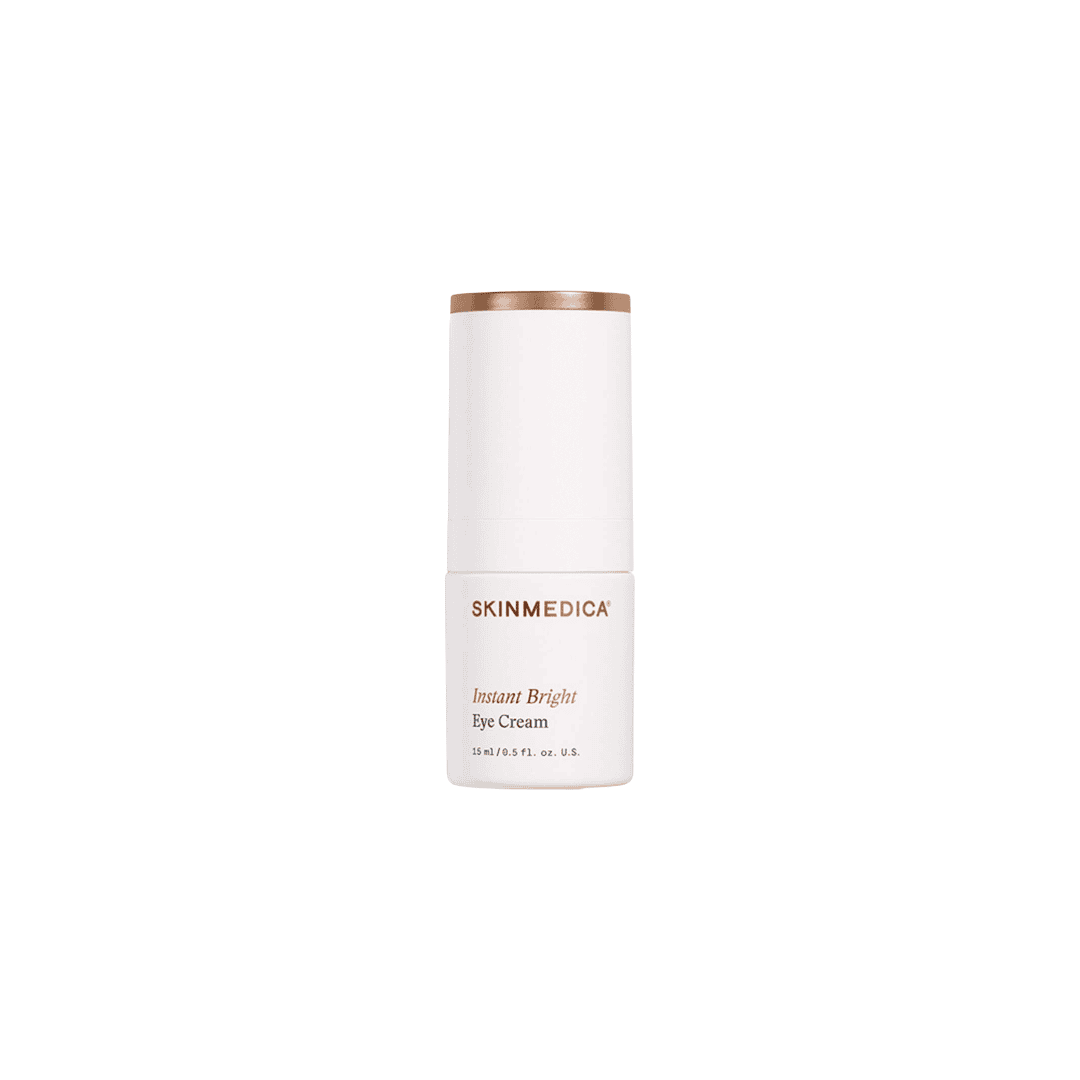
“I like this product because it addresses multiple concerns around the eye area, including dark circles, puffiness, and fine lines. It provides immediate brightening benefits while also supporting long-term improvements in skin quality, making it a well-rounded option for many patients.”
Best for Puffiness
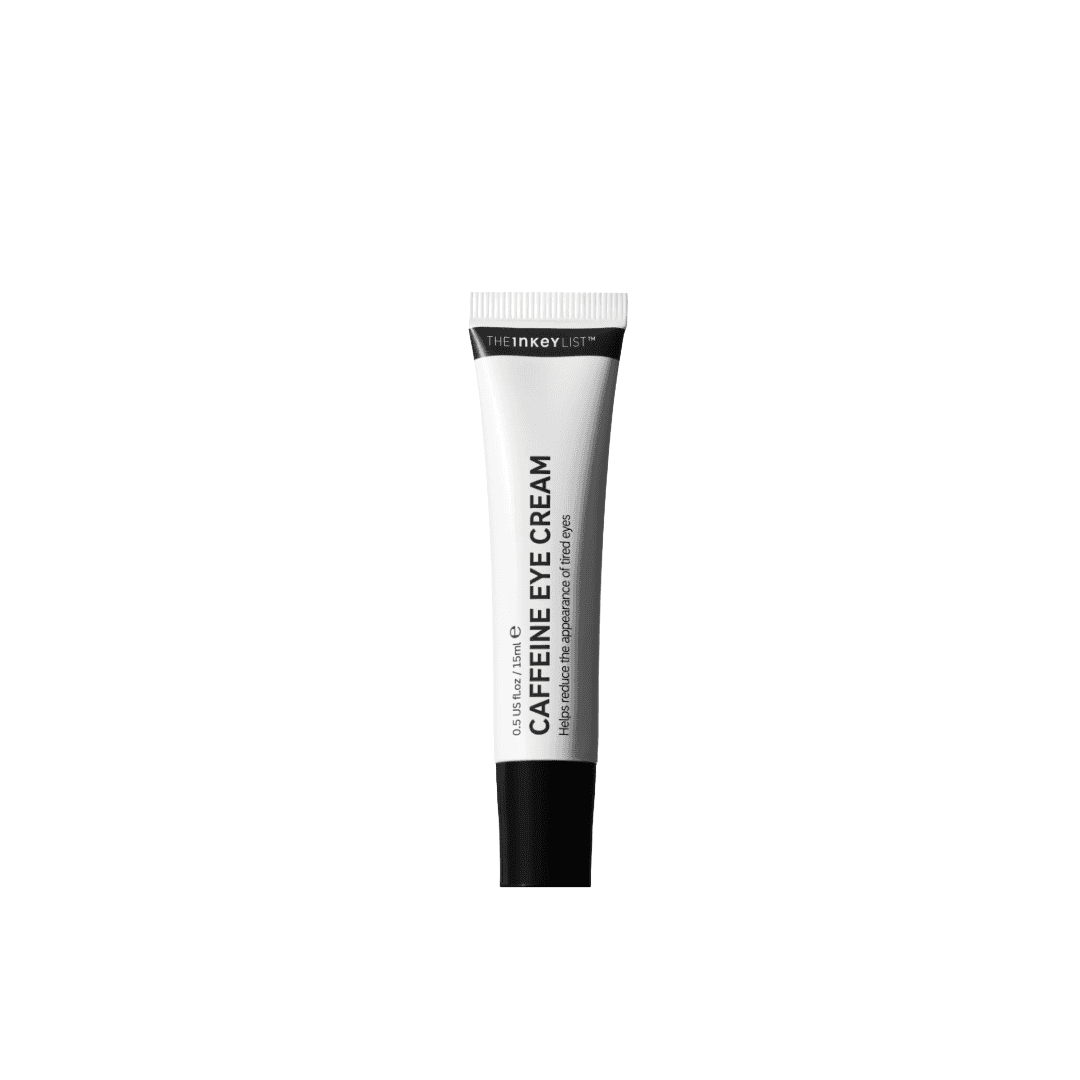
“This is a straightforward caffeine-based formula that works particularly well for morning puffiness. The lightweight texture layers easily under makeup and can help reduce the appearance of under-eye swelling without feeling heavy.”
Best for Dark Circles
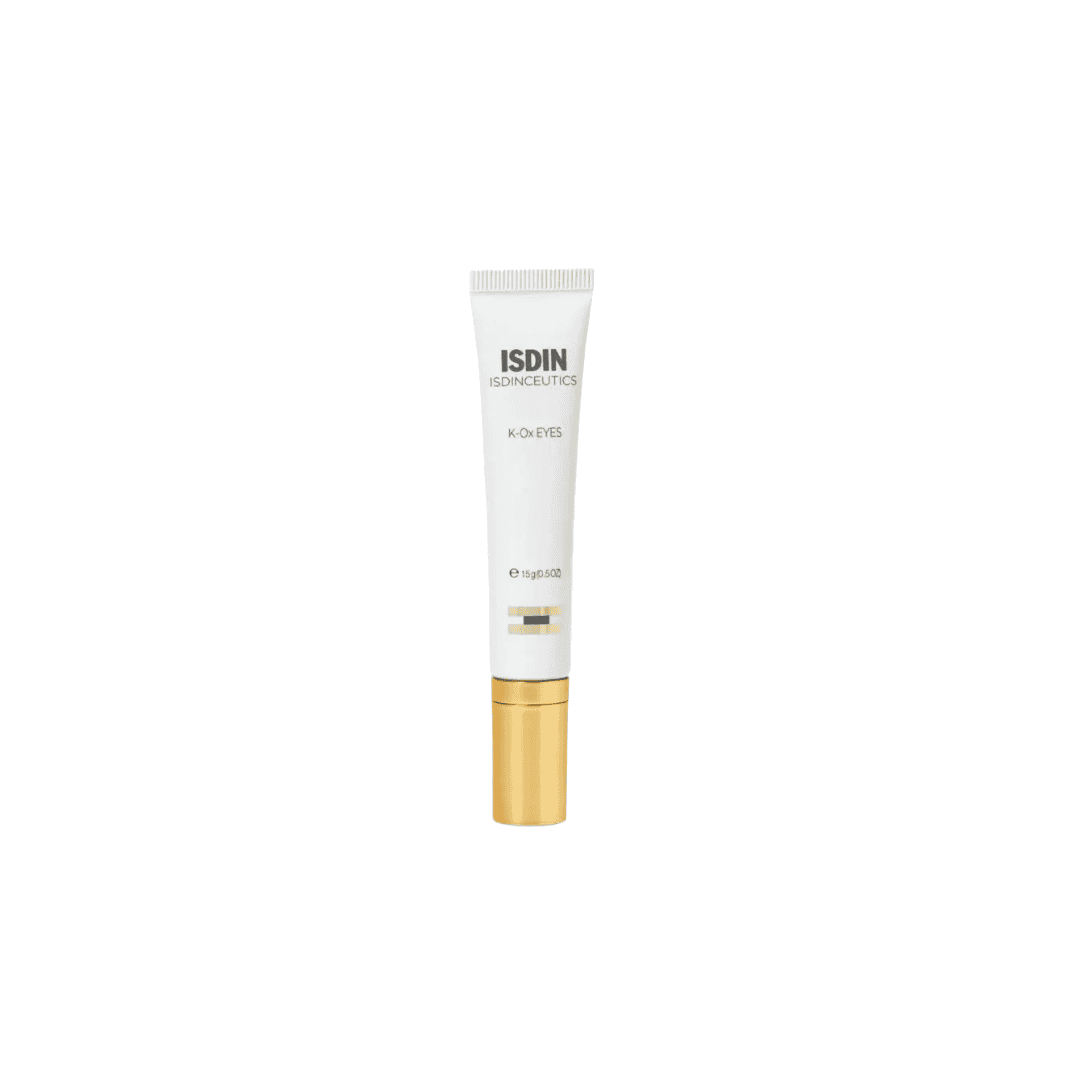
“What stands out about this formula is that it targets multiple contributors to dark circles, including vascular discoloration and puffiness. It also contains ingredients that help improve the appearance of the delicate under-eye skin over time.”
Best for Fine Lines
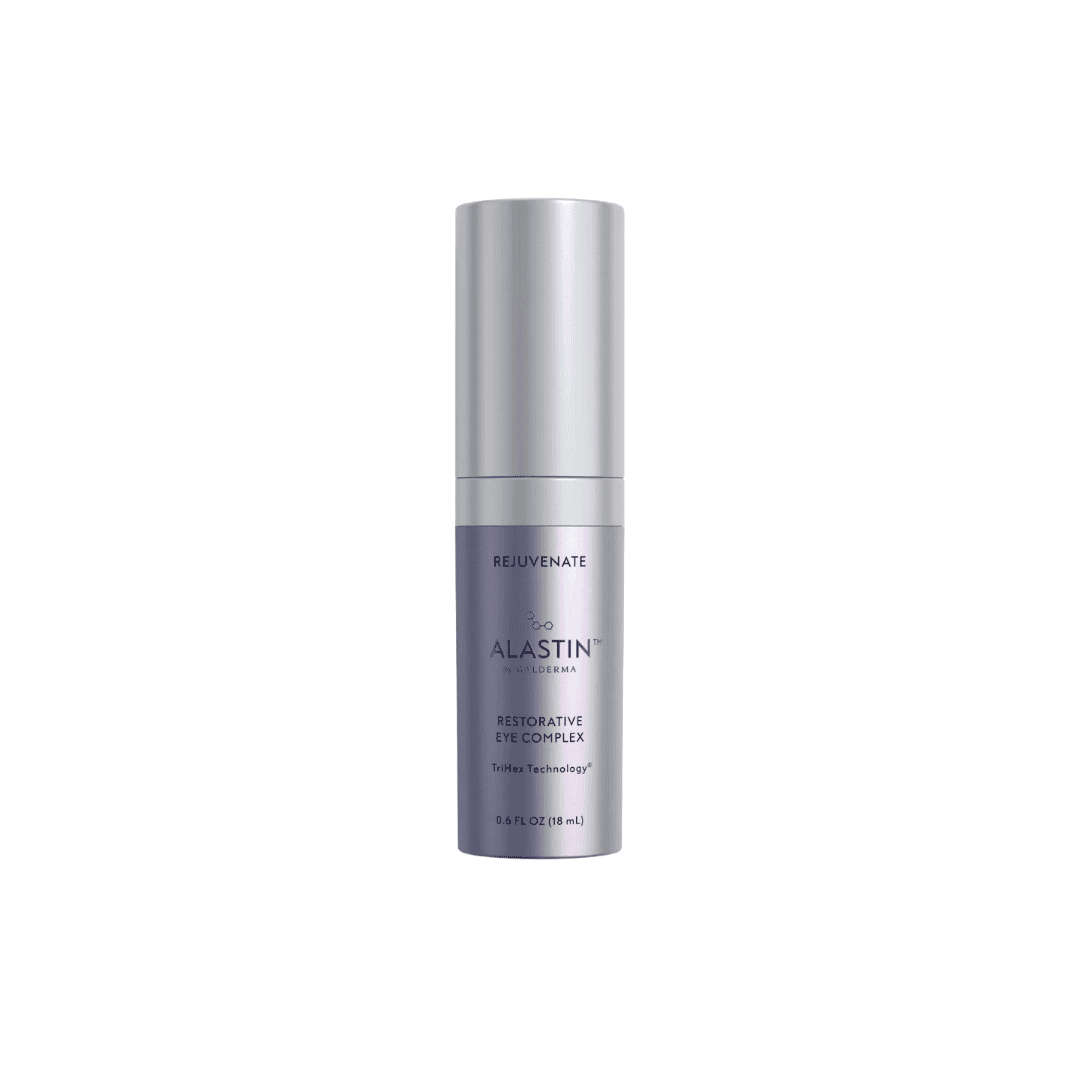
“I often look for products that do more than simply hydrate the eye area. This formula contains peptides and skin-supporting ingredients that help improve the appearance of fine lines while also addressing puffiness and overall skin quality.”
Best for Sensitive Skin
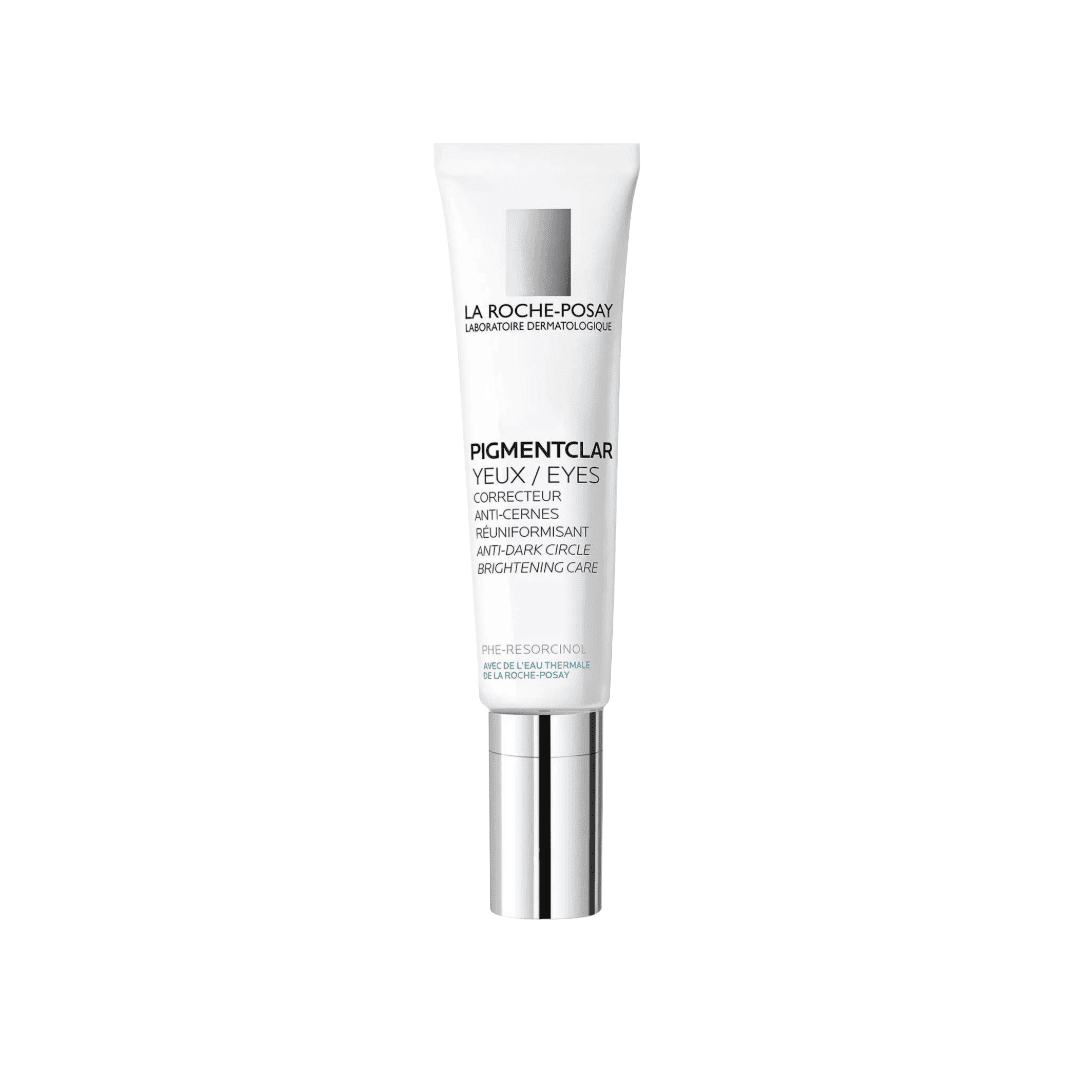
“For patients with sensitive skin, I generally prefer formulas that are gentle and well-tolerated. This product helps address dark circles and puffiness without relying on overly aggressive ingredients.”
Best for Budget
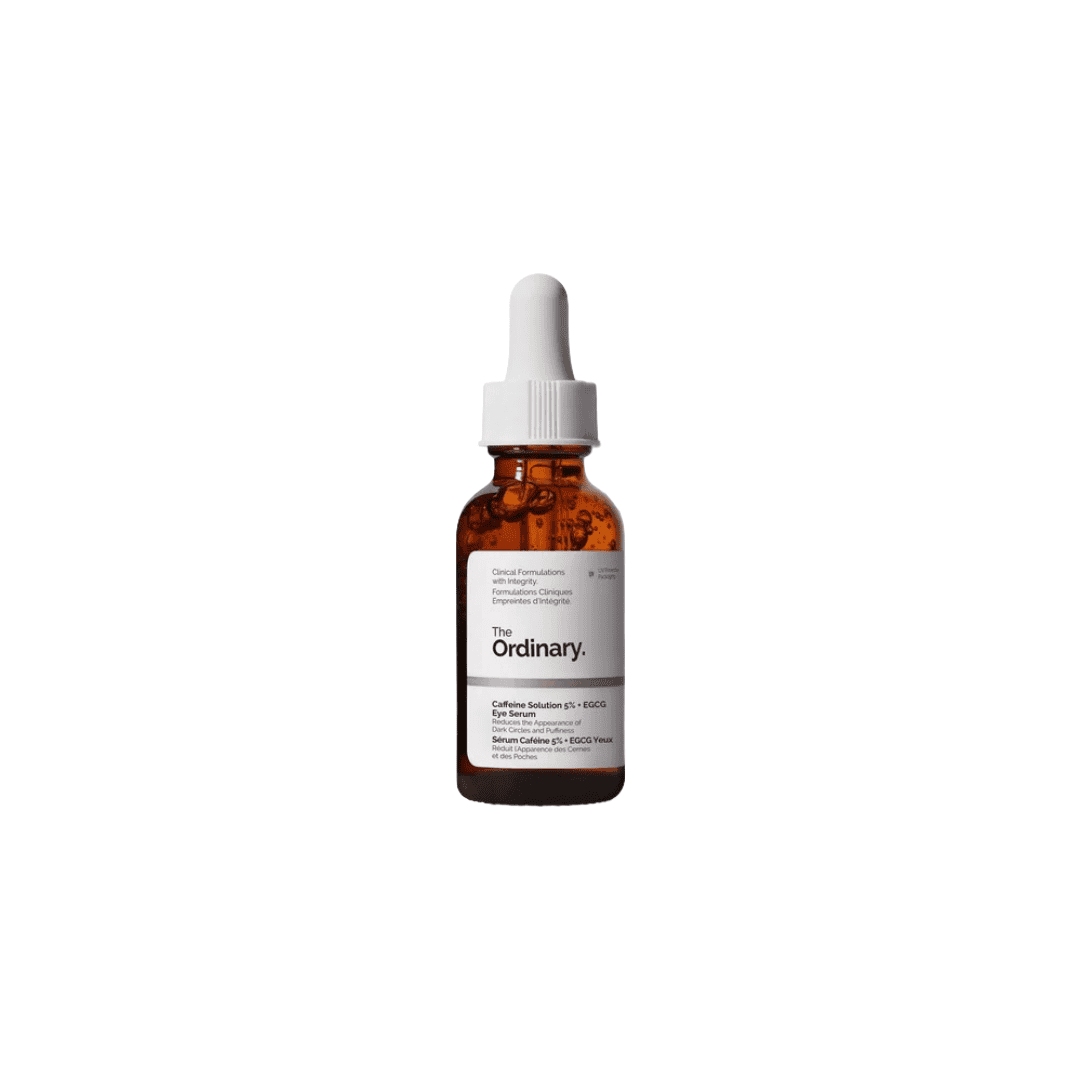
“This is a budget-friendly option that focuses primarily on puffiness and under-eye fatigue. It offers a simple ingredient profile and can be a good entry point for patients interested in trying caffeine-based eye products.”
Best Luxury Option
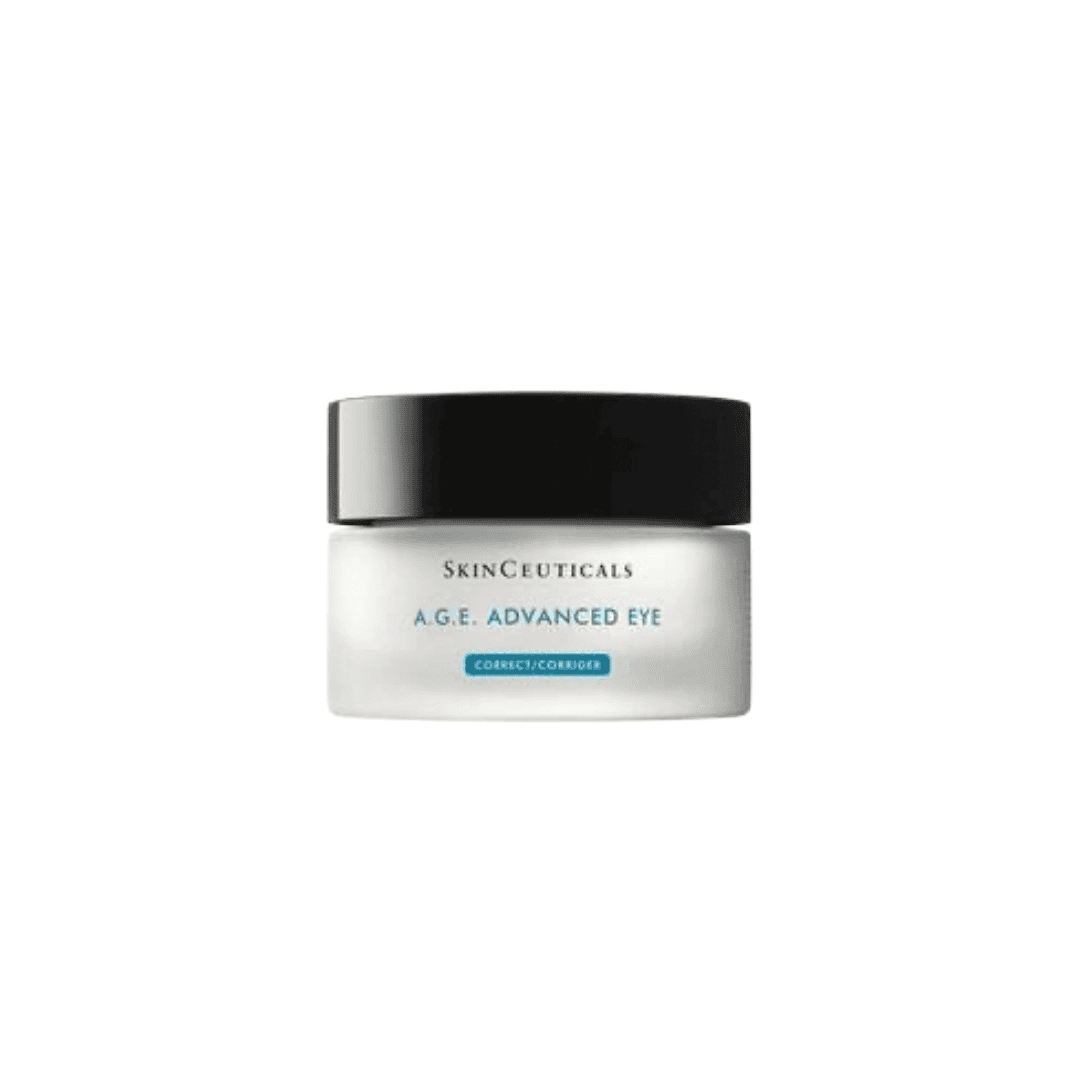
“This is a comprehensive eye treatment that addresses multiple signs of aging around the eyes. In addition to helping with puffiness, it focuses on fine lines, crepiness, and overall skin texture.”
Best for Mature Skin
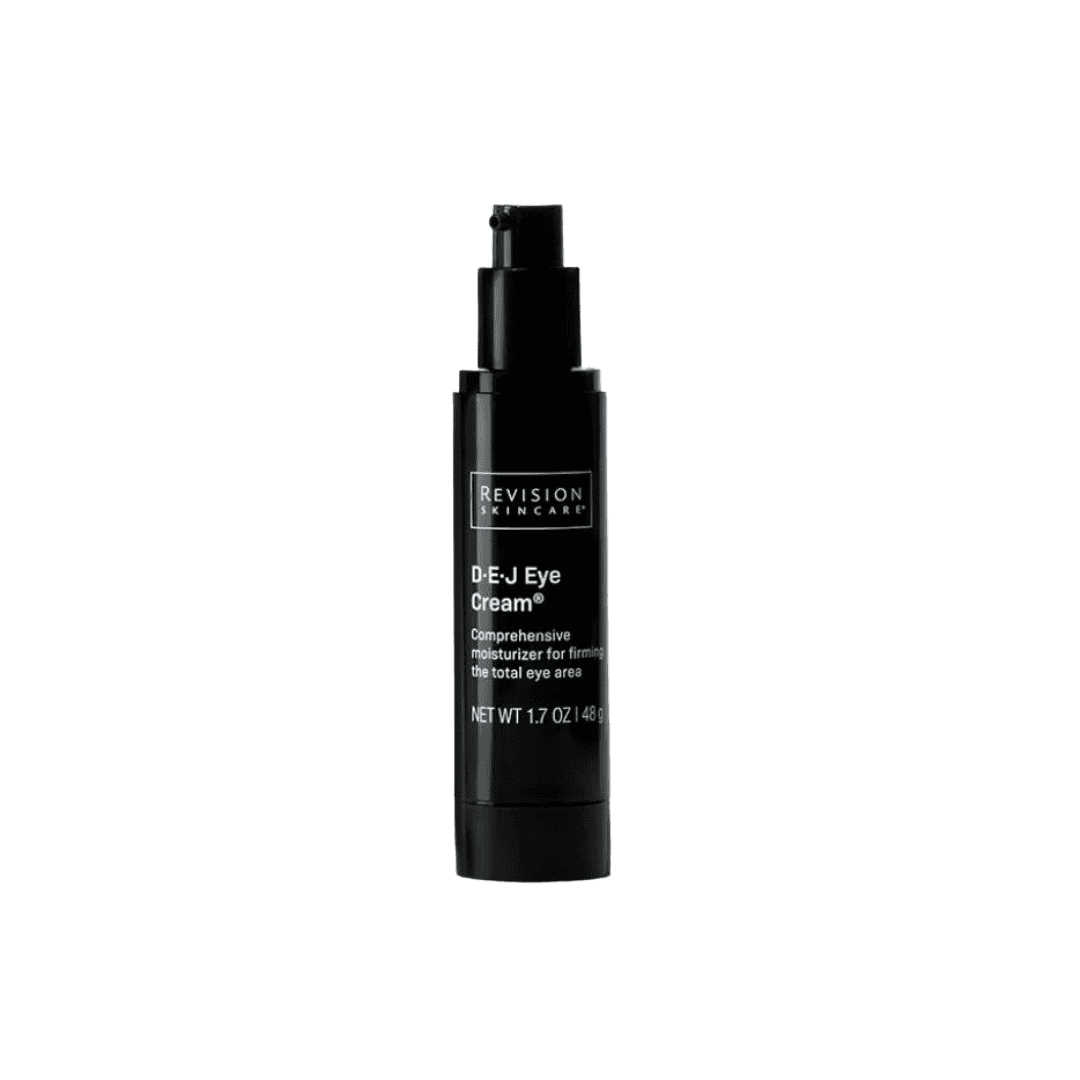
“I often recommend this for mature skin because it supports the overall structure of the delicate eye area. It combines hydration with ingredients that help improve firmness and the appearance of aging skin.”
Best for Dry Under-eyes
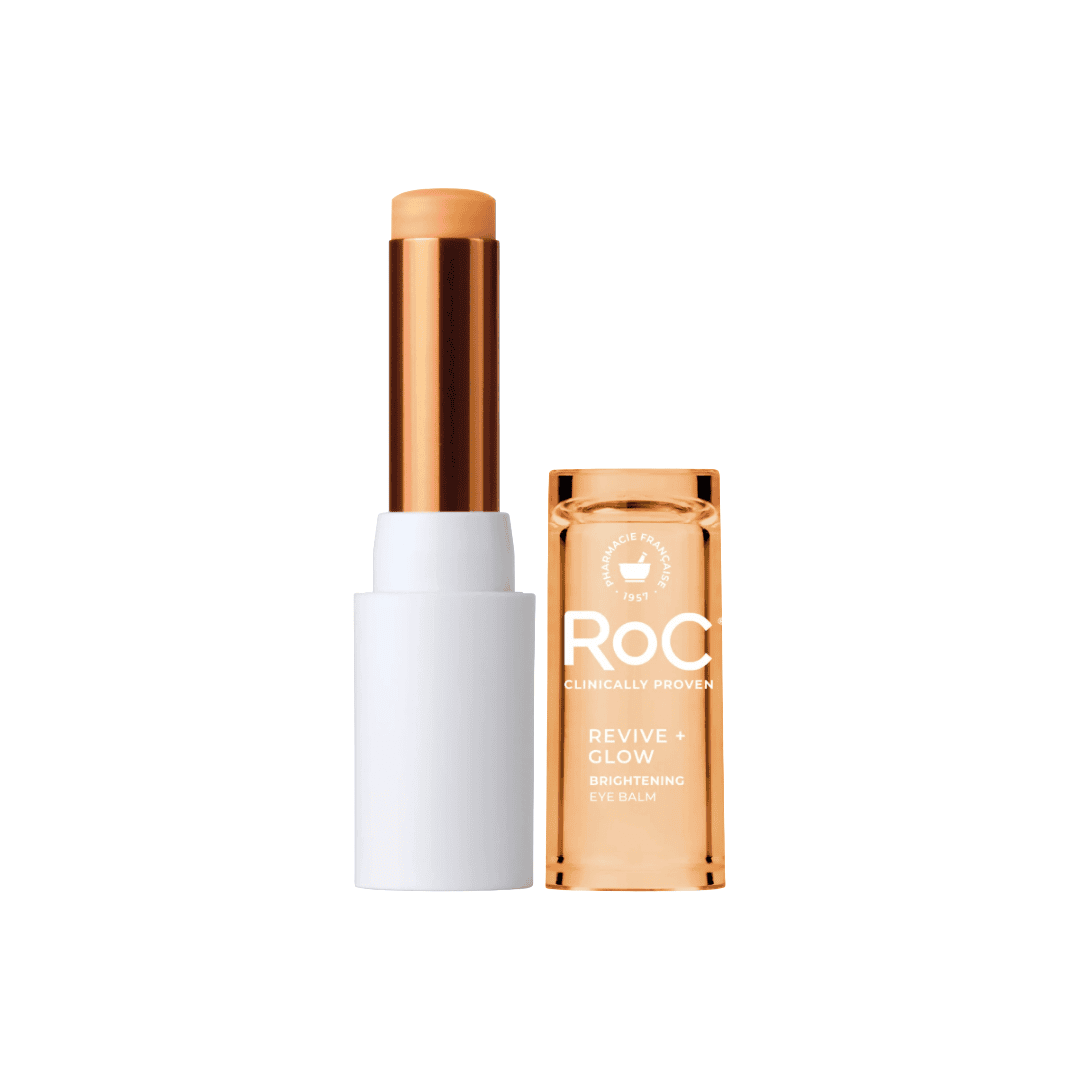
“Dryness can make fine lines and dark circles appear more noticeable. This formula provides hydration while still incorporating ingredients that help brighten and refresh the under-eye area.”
Best with SPF
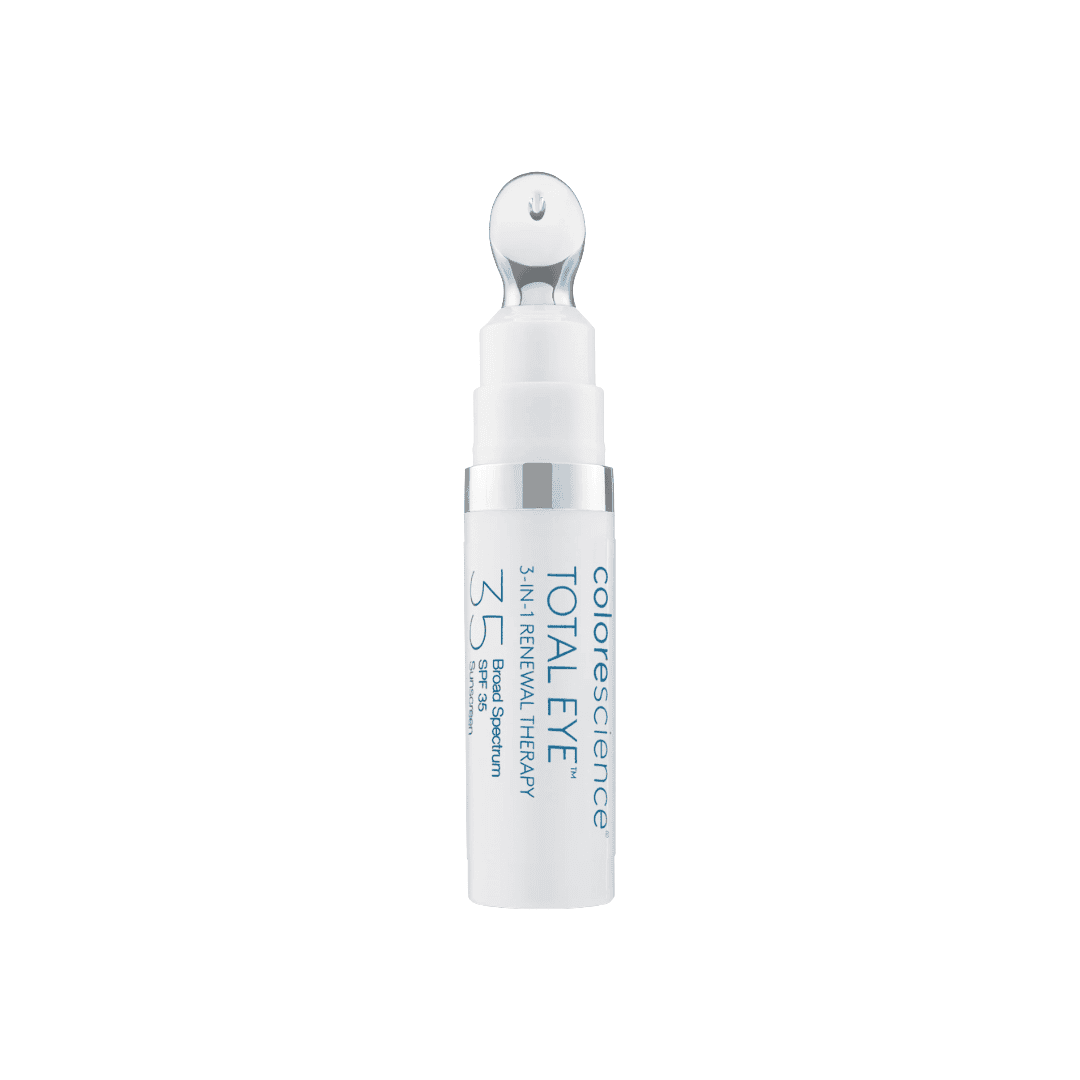
“One of the things I like most about this product is that it combines treatment with sun protection. UV exposure contributes significantly to aging around the eyes, so incorporating SPF into an eye product can be very beneficial.”
Best for Dullness
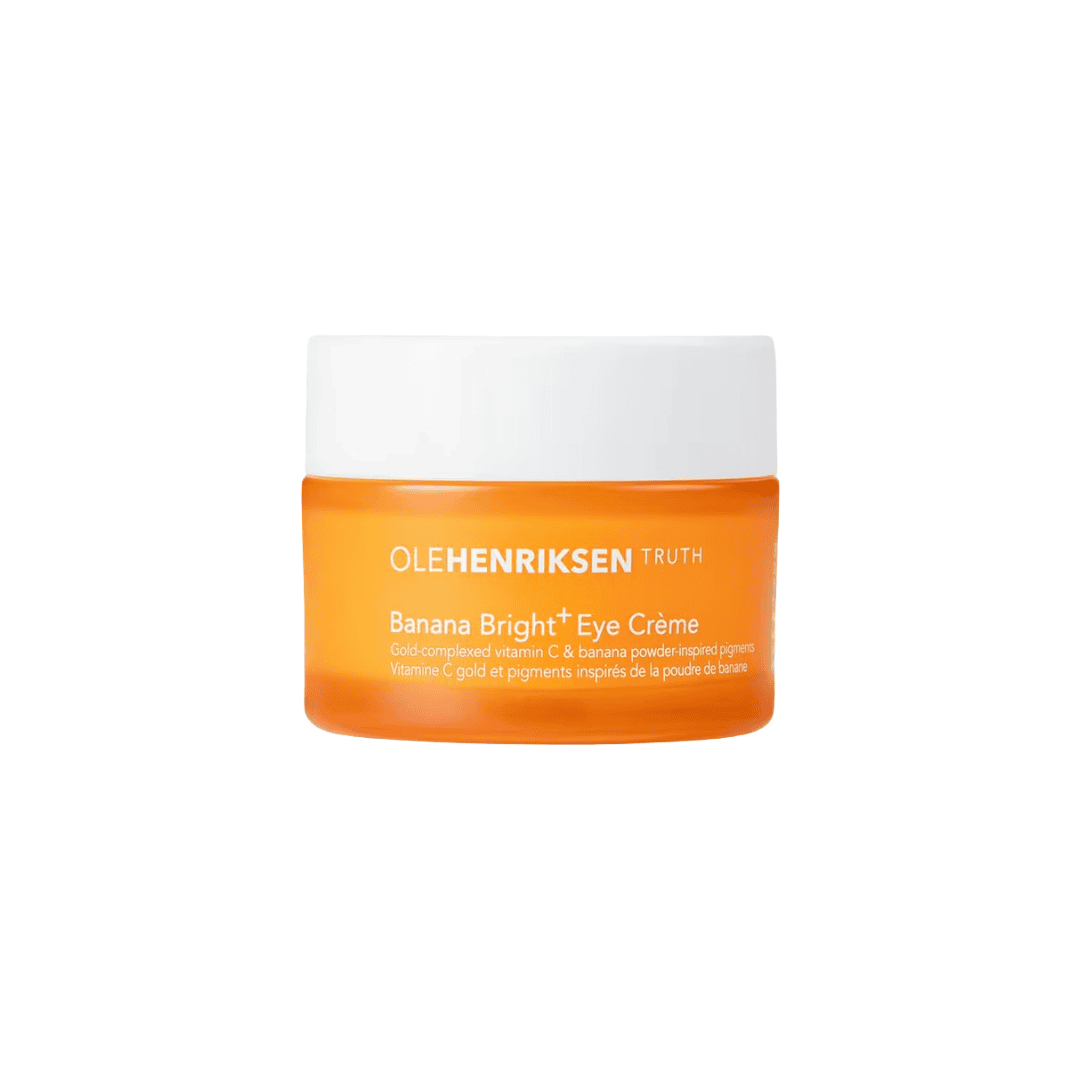
“This formula is designed to brighten and refresh tired-looking eyes. It contains ingredients that help improve radiance and can give the under-eye area a more energized appearance.”