
Is Sweating Actually Good For You? | As Seen in USA Today
Sweating is a normal and important function of the body. While people often associate sweating with “detoxing,” its primary purpose is to help regulate body temperature and prevent overheating. Dr. Mona Foad, featured in USA Today, answers the most common questions surrounding the purposes of sweat.
Sweat is not a measure of effectiveness
The benefit of activities that make you sweat is multifold. Sweating can cool down the body and help eliminate trace amounts of heavy metals from the skin. But the main benefit is not the sweating itself, but rather what is causing the sweating. For example, exercise has many well-established health benefits for the cardiovascular system, muscles, and overall well-being, and sweating is a byproduct of that process. Similarly, saunas and heated exercise classes may help some people feel relaxed or improve circulation, but sweating itself should not be viewed as a measure of how healthy or effective a workout is.
How does sweating serve the body?
Sweat is the body’s natural cooling system. When it evaporates from the skin, it helps release heat and prevents the body’s core temperature from rising too high. This is especially important during exercise, hot weather, or any situation where the body generates excess heat. If you cannot sweat, you overheat, which if too prolonged can cause heat stroke and is more dangerous in people with heart disease.
How often should someone sweat?
There isn’t a specific amount of sweating that someone should aim for. How much a person sweats depends on many factors, including genetics, fitness level, environment, medications, and overall health. Some people sweat very little while others sweat quite a bit, and both can be completely normal. What’s more important is whether your sweating pattern is typical for you and whether it changes significantly over time.
What does it mean to sweat significantly more than others?
Hyperhidrosis is a condition when people sweat more than normal and can be emotionally taxing. This can lead to embarrassment in work and social situations. Fortunately, there are medical grade anti-perspirants as well as treatments that can help. If you are struggling with hyperhidrosis, schedule a consult with your dermatologist to learn more.
Do antiperspirants prevent a sweating system from doing its job?
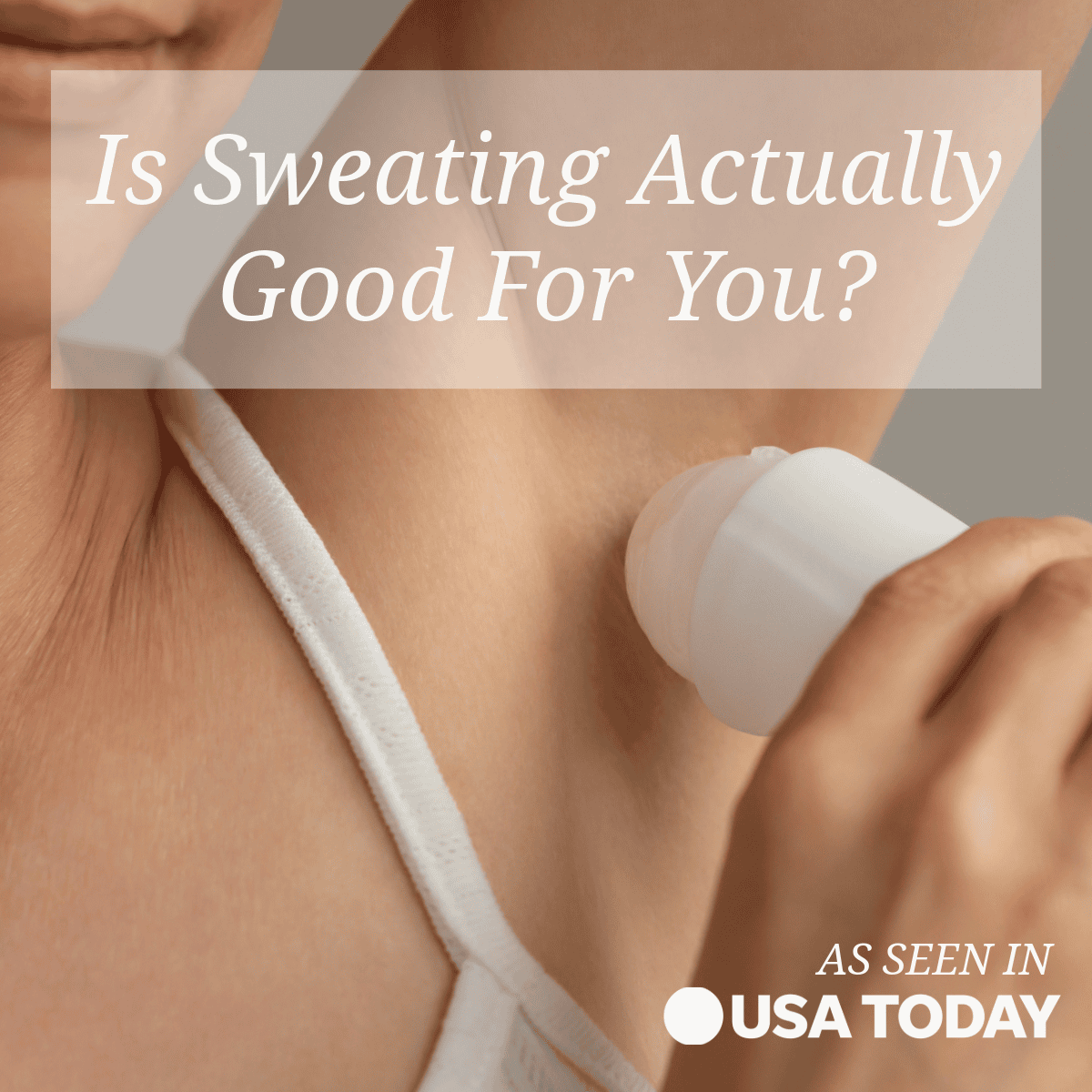
This is a common concern I hear from patients, but for most people, antiperspirants do not interfere with the body’s ability to regulate temperature. Antiperspirants work by temporarily reducing sweat production in the areas where they are applied, most commonly the underarms. The body has millions of sweat glands distributed throughout the skin, so blocking sweat in one small area doesn’t prevent the body from cooling itself effectively. For patients who experience excessive sweating, antiperspirants can significantly improve comfort and quality of life without compromising the body’s natural cooling mechanisms. It would not be wise to use antiperspirants over the entire body in an attempt to decrease sweating. Schedule an appointment with your dermatologist to explore other options.