
Red Light Therapy For The Body 101 | As Seen in Harper’s Bazaar
Red light therapy has become a popular, science-backed addition to both skincare and wellness routines. By using low-level wavelengths of light, this gentle treatment helps support healthier skin, reduce inflammation, and promote overall cellular function. Learn about the benefits, how to use it, and whether at-home devices are worth considering with Dr. Alexandra Bowles‘, featured in Harper’s Bazaar.
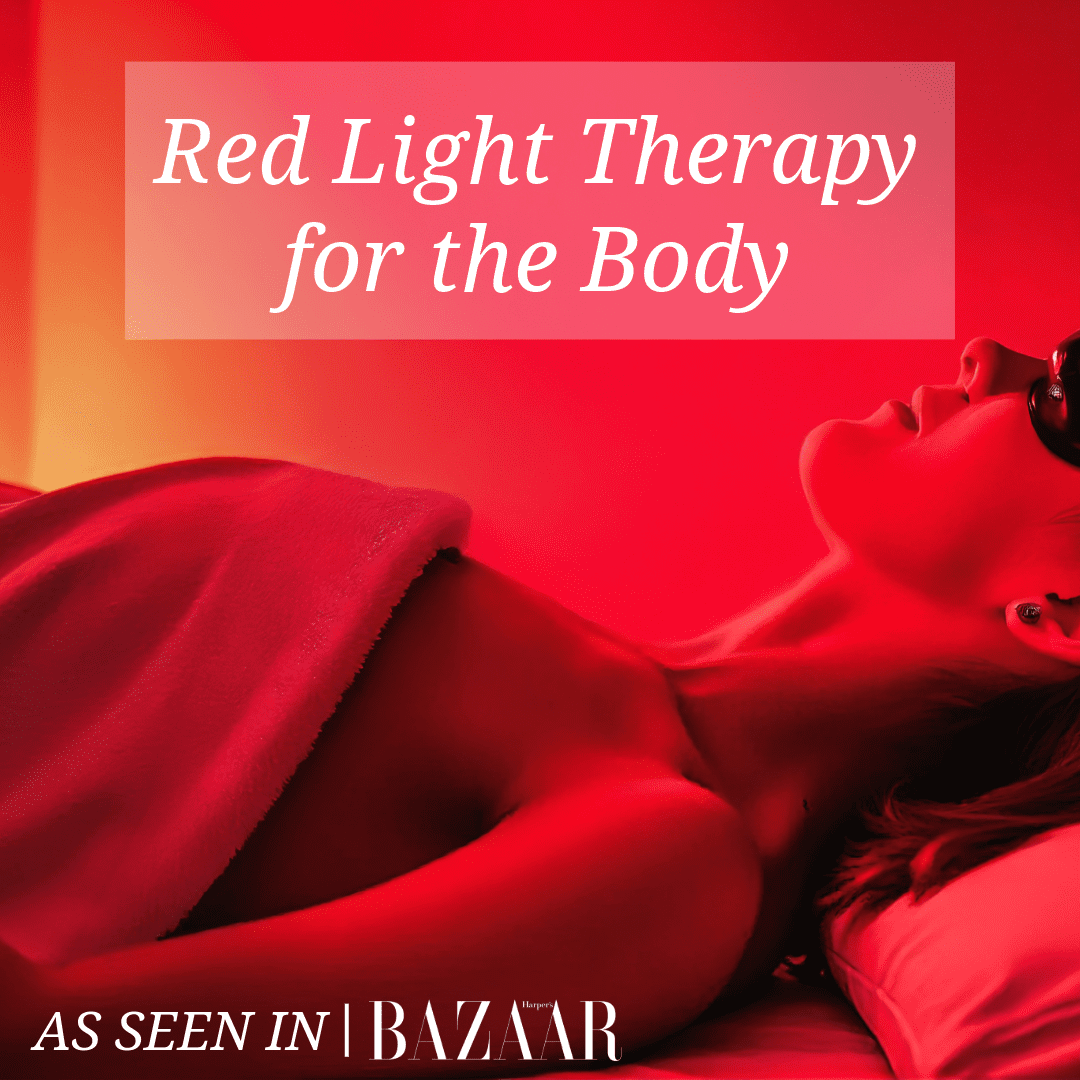
What are some of the benefits of red light therapy on the body?
Red light therapy can be a wonderful addition to a skincare or wellness routine because it gently encourages your cells to function at their best. The light works at a low wavelength to help calm inflammation, support collagen production, and improve overall skin radiance. Many patients notice that their skin looks smoother and more even. Some also experience faster healing after irritation or breakouts. Beyond the skin, red light therapy can be soothing for sore muscles and stiff joints because it helps boost circulation in targeted areas. What I love about this treatment is that it’s non-invasive, comfortable, and safe for most people. It’s not meant to replace other treatments, but it can be a great tool for healthier skin and overall wellness.
How should it be used?
Red light therapy works best when it’s done consistently and in short, steady sessions. Most patients do well using their device several times a week, usually between 2 and 5 sessions, depending on the device and their goals. Each treatment typically lasts around 10–20 minutes. At-home devices may take a little longer since they’re gentler than in-office equipment. What’s most important is pacing yourself and allowing the benefits to build gradually over several weeks. You should always follow your device’s instructions closely and make small adjustments based on how your skin feels. If your skin starts to feel warm, irritated, or overly sensitive, it’s a good idea to shorten sessions.
Are there any risks or side effects?
Red light therapy is generally very safe, which is one reason so many patients enjoy using it. Most people don’t experience any side effects at all, and when they do occur, they’re usually mild. Patients with very sensitive or reactive skin should start slowly, just to make sure their skin tolerates the treatment well. It’s also important to protect your eyes, especially if you’re using a stronger professional device or a mask that sits close to the face. While it’s a low-risk treatment, a quick conversation with a dermatologist can help ensure it fits well within your routine.
Are there any at-home devices you recommend?
There are several at-home red light devices I recommend because they use safe wavelengths and are backed by good technology. Brands such as Omnilux, CurrentBody, and LightStim offer FDA-cleared options that deliver a controlled dose of red light without overheating or irritating the skin. These devices are lightweight and easy to use. They’re designed so that people can incorporate them into their schedules without much effort. The results are more gradual compared to in-office treatments, but with consistent use, many patients notice brighter, calmer, more refreshed-looking skin. I especially appreciate that these devices take a gentle approach while still offering meaningful benefits.