
What Is Body Butter? And Should You Be Using It? | As Seen in Byrdie
If your skin feels persistently dry, tight, or rough, it may be time to upgrade from your everyday lotion to something richer. Dr. Alexandra Bowles, as featured in Byrdie, explains why body butter delivers deeper, longer-lasting hydration than traditional moisturizers, making it a go-to for dry patches, rough elbows, and skin that struggles through colder months. Here’s everything you need to know about what body butter does, how to use it, and whether it belongs in your routine.
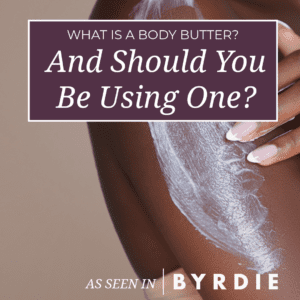
What is body butter used for?
Body butter is primarily used to deeply moisturize and protect the skin. These formulas tend to be thicker and more concentrated than traditional lotions, which allows them to provide longer-lasting hydration. I often recommend body butters for patients with dry or rough skin because they help strengthen the skin barrier and lock in moisture. Many also contain nourishing ingredients such as shea butter, cocoa butter, or natural oils that soften the skin and improve overall texture. When used regularly, body butter can help reduce dryness, flaking, and that tight feeling the skin sometimes develops, especially in colder months.
What are the differences between body butter and lotion?
The main difference between body butter and lotion comes down to texture and how much moisture they provide. Lotions are typically lighter and contain more water, which allows them to absorb quickly and feel less heavy on the skin. Body butters are thicker and more concentrated with oils and butters, so they provide deeper and longer-lasting hydration. I usually recommend lotions for everyday use or for people with normal to slightly dry skin. Body butters tend to be more beneficial for individuals with very dry skin or for areas that need extra moisture, such as the elbows, knees, and heels. One is not necessarily better than the other. It really depends on your skin type and what your skin needs at the time.
When is the best time to apply body butter, and how should it be applied?
The best time to apply body butter is typically right after showering or bathing. At that point, the skin is still slightly damp, which helps seal in moisture more effectively. I recommend gently patting the skin dry with a towel and then applying the body butter while the skin still feels hydrated. Because body butter is thicker, a small amount usually goes a long way. Massaging it into the skin in gentle circular motions can also help improve absorption. Applying it consistently after bathing can help maintain smoother, more comfortable skin.
What ingredients should one look for in a body butter? Are there ingredients to avoid?
When choosing a body butter, I suggest looking for nourishing ingredients that support the skin barrier. Shea butter, cocoa butter, and natural oils like jojoba, coconut, or almond oil are all excellent options because they help soften the skin and retain moisture. Ingredients such as glycerin or hyaluronic acid can also be beneficial because they help attract water to the skin. If you have sensitive skin, it may be helpful to look for fragrance-free formulas to reduce the risk of irritation. In general, the goal is to choose products with hydrating and soothing ingredients that help maintain the skin’s natural moisture balance.
How often should one use body butter?
How often you use body butter really depends on your skin type and level of dryness. For most people with dry skin, applying it once daily, often after showering, is enough to maintain hydration. Those with very dry or rough skin may benefit from using it twice daily, especially on areas like the hands, feet, elbows, or knees. During colder months, when the air tends to be drier, many patients find that using body butter more regularly helps keep their skin comfortable. The key is consistency. Regular use can help support the skin barrier and prevent dryness from developing in the first place.