
When and Why You Should Replace Your Hairbrush | As Seen in HuffPost
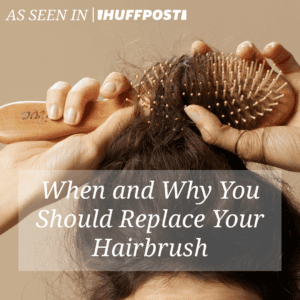
A worn or dirty hairbrush can contribute to breakage, scalp irritation, and dull-looking hair. Regularly cleaning and replacing your brush can help keep both hair and scalp healthy! Learn more about how this can affect your hair and scalp health with Dr. Alexandra Bowles, featured in HuffPost’s article.
How often should you replace your hairbrush?
In many cases, replacing a hairbrush every six to twelve months is a good general guideline. It can vary depending on how often the brush is used and how well it is maintained. Over time, the bristles can become worn, bent, or damaged, which can make the brush less effective and potentially rougher on the hair and scalp. If the brush begins to accumulate buildup that is difficult to clean or if the bristles lose their shape, it’s usually a good sign that it’s time for a replacement. Regularly replacing or maintaining your hairbrush helps ensure it continues to detangle and style the hair without causing unnecessary stress to the strands.
Why is it important to replace your hairbrush often enough?
Hairbrushes collect quite a bit over time, including shed hair, natural oils from the scalp, dust, and residue from styling products. If a brush is not cleaned or replaced periodically, that buildup can be redistributed back onto the hair and scalp during brushing. Worn bristles may also tug on the hair more than they should, which can contribute to breakage or unnecessary tension on the strands. Replacing a brush when it becomes worn helps maintain both scalp hygiene and overall hair health.
How could an old hairbrush with the ball tips worn off mess up your hair or scalp?
Many brushes have small, rounded tips at the end of the bristles that are designed to help protect the scalp and glide through the hair more gently. When those tips wear off, the exposed bristles can become sharper or rougher against the scalp. This may lead to increased friction, minor scalp irritation, or unnecessary pulling on the hair. Over time, that extra tension can contribute to breakage, especially in individuals with fragile or chemically treated hair. A brush that no longer has intact tips may not distribute pressure evenly across the scalp.
How could an old hairbrush that’s dirty mess up your hair or scalp?
If you don’t clean your hairbrush regularly, it collects oils, dead skin cells, styling products, and environmental debris. Every time you use the brush, it transfers that buildup back onto your hair and scalp. In some cases, this may contribute to scalp irritation, itching, or a greasy appearance even after washing. Dirty brushes can also make the hair feel heavier or dull because of the residue being redistributed. Keeping brushes clean helps maintain a healthier scalp environment.
Should you be cleaning your hairbrushes? If so, how?
Yes, hairbrushes should be cleaned regularly. I typically recommend removing trapped hair after each use or at least every few days. Every one to two weeks, the brush can be washed with warm water and a gentle shampoo to remove oils and product buildup. Using a small brush or toothbrush can help clean between the bristles if necessary. After washing, it’s best to allow the brush to air dry completely before using it again. This simple routine can help extend the lifespan of the brush and keep it more hygienic.
Do you have a hairbrush you recommend?
One brush that I often recommend is the Wet Brush Original Detangler. It’s designed with flexible bristles that help detangle hair with less pulling or tension on the strands. I find it helpful for those with fragile, fine, or easily tangled hair because it glides through the hair gently. It can also be used on both wet and dry hair, which makes it a versatile option for daily use.
How can it affect your overall scalp health?
Many people often overlook hairbrushes when thinking about hair and scalp care, but they play an important role in keeping hair healthy. Cleaning and maintaining your brush helps reduce unnecessary tension and breakage and prevents buildup from spreading back onto your scalp. In general, I recommend choosing brushes that are gentle on the hair and replacing them when they show signs of wear. Small habits like cleaning and maintaining your brush can make a noticeable difference in overall hair health over time.