Treatment-Resistant Alopecia Areata | As Seen in Everyday Health
Navigating alopecia areata can be challenging on its own, but when the condition stops responding to standard therapies, it adds an entirely new layer of frustration and uncertainty. Board-certified dermatologist Dr. Alexandra Bowles breaks down what “treatment-resistant” really means, how patients can prepare for a productive appointment, and the steps that help ensure a clear, supportive path forward. Be sure to check out the full article in Everyday Health!
How would you define “treatment-resistant” alopecia areata?
When we describe alopecia areata as “treatment-resistant,” we’re talking about cases where the hair loss doesn’t respond to the first line evidence-based therapies. That might mean a patient has tried topical or injected corticosteroids without meaningful regrowth, or even newer options like JAK inhibitors with limited results. JAK inhibitors, short for Janus kinase inhibitors, are targeted medications that help calm the overactive immune response responsible for attacking the hair follicles. When those treatments don’t work, it doesn’t mean there’s no hope. It just means the condition is a bit more stubborn and may require a different approach. Every case of alopecia areata is unique, and so it’s important to look at the whole picture to create a plan that gives each patient the best possible chance for regrowth and confidence again.
What should someone do to prepare for an appointment with a dermatologist to discuss next steps? Would bringing a list of meds tried previously and results be helpful?
Yes. Bringing a list of treatments or medications you’ve tried, including how long you used them and what kind of response you noticed, is incredibly helpful. It gives your dermatologist a clear picture of your treatment history and helps avoid repeating things that didn’t work or caused side effects.
How can patients go about voicing their concerns with a dermatologist?
It’s important to let your dermatologist know what matters most to you. You might say something like, “My biggest concern is the patch on my scalp that’s getting larger,” or “I’m really struggling with how unpredictable the shedding has been.” Being specific helps us prioritize what to focus on during the visit, whether that’s regrowth, scalp comfort, or emotional support.
Should patients explain how alopecia areata affects their daily life—and can this information help with insurance approval?
Sharing how alopecia areata affects your confidence, social life, or daily activities gives your dermatologist a better sense of the whole picture. It is never just about your hair. It’s about how the condition affects your quality of life. This information can also be helpful for insurance documentation if we need to justify coverage for advanced therapies like JAK inhibitors. For example, someone who has lost their eyelashes may have a smaller amount of hair loss involved, but that can be detrimental to your eye health.
Is it appropriate for patients to ask about treatments they’ve heard or read about? Do many of your patients do this?
Absolutely. Most patients have already done some research before coming in, and I welcome those questions. It opens up a great dialogue about what’s new, what’s evidence-based, and which treatments are the best fit for your particular situation.
When is it appropriate for patients to ask about participating in a clinical trial?
It’s always appropriate to ask, especially if your alopecia areata has been resistant to standard therapies. Clinical trials can offer access to promising new treatments and contribute to the growing understanding of this condition. I love it when patients take an active role in exploring every possible option.
Appointments like this can be emotional—how can patients make sure they remember the key discussion points and next steps?
I know these appointments can be emotional because alopecia areata affects so much more than just the hair. I always encourage patients to take notes or bring someone they trust to help remember key points. It’s also completely okay to pause and ask for clarification; I want my patients to leave feeling informed and supported, not overwhelmed. Summarizing what you’ve heard before you leave, like confirming the next steps or follow-up plan, can also help make sure we’re on the same page.
How can patients be sure they understand the next steps in their treatment plan?
It’s so important to leave your appointment knowing precisely what the next steps are. Before you go, take a moment to review the plan out loud with your dermatologist, something like, “So we’re starting this medication and following up in six weeks, right?” That simple recap helps confirm everyone’s on the same page. If anything feels unclear, don’t hesitate to ask for written instructions or a summary through the patient portal. I also recommend noting when to expect follow-up results or labs so you’re not left wondering. Clear communication makes the process smoother and helps you feel confident about what comes next in your treatment journey.
What other advice can you give for people dealing with treatment-resistance alopecia areata?
The most important thing I’d want patients to know is that they’re not alone. Treatment-resistant alopecia areata can be incredibly frustrating, but there are always options and new therapies emerging. Dermatology is advancing quickly in this area, and what didn’t work in the past doesn’t mean there isn’t something that will help in the future. Open, honest communication with your dermatologist is key; the more we understand your experience, your goals, and how this condition impacts your life, the better we can tailor a plan that feels right for you. Don’t be afraid to ask questions, explore new possibilities, or share how you’re feeling along the way. Managing alopecia areata is truly a partnership, and we’re here to help you every step of the way.
Skincare for Kids: Fun Self-Care or An Unnecessary Trend? | As Seen in Harper’s Bazaar
Skincare isn’t just for adults anymore—kids are becoming curious about face masks, serums, and playful routines designed just for them. Shay Mitchell’s new kids’ skincare brand, Rini, has stirred controversy for marketing sheet masks to children as young as three, with critics warning it could introduce unrealistic beauty standards too early. So, is this simply harmless fun, or are we complicating childhood with adult-focused beauty trends? Board-certified dermatologist Dr. Mona Foad breaks down the controversy and explains how parents can navigate this trend thoughtfully. Check out the full article in Harper’s Bazaar!
Do you think the criticisms here are deserved? Is it so preposterous that kids would want gentle sheet masks with fun designs?
I can absolutely understand why this topic may spark conversation. The idea of very young children using sheet masks can feel unnecessary or overly commercialized. At the same time, it’s not unreasonable that kids might want gentle, playful products that make skincare feel fun. We’re seeing a cultural shift where skincare is viewed less as beauty and more as self-care. For some families, these routines can even become bonding moments. The key question isn’t whether kids should or shouldn’t use them, but how it’s done. When formulas are genuinely gentle, the messaging focuses on care rather than appearance, and the activity is supervised, it can be a harmless way to introduce good skin habits. Some of the criticism is justified when products are marketed with adult beauty claims, but when executed thoughtfully, there’s room for kids to enjoy skincare safely and playfully.
Can kids use gentle sheet masks designed for adults?
I’m cautious about children using sheet masks made for adults because the formulations are often stronger and contain active ingredients such as acids, retinoids, or high concentrations of botanical extracts. These can be too harsh for a child’s thinner, more sensitive skin. However, when masks are specifically created for young users, the approach can be different. The most important thing is to choose formulas that are hypoallergenic, fragrance-free, and designed for delicate skin. In those cases, and with parental supervision, a gentle mask can be a fun, occasional part of self-care. But if it’s an adult mask, it’s best to read the ingredient list carefully and err on the side of caution.
Should children be using sheet masks? Are there any risks?
From a dermatologic standpoint, children don’t need sheet masks in the same way adults do. Their skin naturally stays hydrated and hasn’t yet developed the environmental or aging concerns these products are meant to treat. The main risks come from added fragrance, harsh preservatives, or potent actives that can irritate or inflame the skin. If a child is curious about trying a sheet mask, choose one with gentle, fragrance-free ingredients and use it sparingly. Parents should always supervise and ensure that it’s not part of a daily routine. When used thoughtfully, the risk is low, but unnecessary exposure to stronger ingredients can do more harm than good. On the flip side, some children may have dry skin or are more eczema prone. In these case a sheet mask specifically formulated with these conditions in mind can help their skin become more hydrated and less inflamed.
Where do you stand on this continuing debate of skincare designed for kids?
I think we’re in an interesting transitional moment. There’s growing curiosity among kids about skincare, which isn’t inherently negative—it can help build healthy habits early. However, the concern is when children start adopting adult routines or products meant for mature skin, which can lead to both irritation and unrealistic beauty expectations. I support the idea of gentle, age-appropriate products that focus on basic care like cleansing, moisturizing, and sun protection, rather than correction or anti-aging. If the messaging stays focused on education, fun, and self-care, skincare can be positive for kids. But it’s essential to keep it simple, safe, and free from the pressures of beauty culture.
The Ultimate Nighttime Skincare Routine | As Seen in Women’s Health
You may have heard the term “beauty sleep,” but there’s real science behind it. While you rest, your skin goes into recovery mode—repairing daytime damage, boosting collagen, and renewing itself overnight. That’s why your evening routine is one of the most important steps in maintaining healthy, radiant skin. Be sure to check out the article in Women’s Health where board-certified dermatologist Dr. Mona Foad shares her insights on how to build the ideal nighttime skincare routine and make the most of your skin’s natural renewal process.
Why is nighttime so important for skin repair?
At night, your skin shifts from protection to repair. During the day, it’s busy defending against UV rays, pollution, and other environmental stressors. Once you fall asleep, your circadian rhythm signals your skin to start healing. Cell turnover increases, collagen production rises, and blood flow improves—all of which help your skin recover and restore its natural glow. The skin barrier also becomes more permeable while you sleep. That means it can lose moisture, but it also absorbs skincare ingredients more effectively. This is the perfect time to apply treatments like retinol, peptides, or hydrating serums that support repair and renewal. Even hormones like melatonin and growth hormone play a role by helping neutralize free radicals and supporting tissue regeneration.
What should my first step be before bed?
I always tell my patients to start with a clean slate. Cleansing is essential because it removes the impurities, oil, and makeup that build up during the day. I recommend double cleansing—first with an oil-based cleanser to break down makeup and sunscreen, then following with a gentle, pH-balanced face wash to remove any residue. Double cleansing helps eliminate pollution particles that can lead to free radical damage and premature aging. It also ensures that your skin is clear and ready to absorb the active ingredients that come next in your routine.
How often should I exfoliate at night?
Exfoliation helps reveal fresh, smooth skin by clearing away dead surface cells. I typically recommend exfoliating two to three times a week, depending on your skin type. Using a gentle chemical exfoliant—such as glycolic, lactic, or salicylic acid—can improve dullness, uneven texture, and clogged pores. Because your skin is already in repair mode at night, exfoliating allows your serums and moisturizers to penetrate more effectively. Just avoid exfoliating on the same night you use retinol or other strong actives to prevent irritation. The key is consistency, not overdoing it.
What treatments or serums are best to use at night?
Nighttime is when your skin can truly benefit from targeted treatments. Since your barrier is more permeable, it’s the ideal time to apply products that address specific concerns like fine lines, pigmentation, or dehydration.
Some of my favorite ingredients to include are:
Retinol, which increases cell turnover and boosts collagen
Peptides and growth factors, which help improve elasticity and firmness
Niacinamide, which calms inflammation and supports the skin barrier
Hyaluronic acid, which draws in and locks moisture
Vitamin C, which brightens and helps protect against oxidative damage
Serums with these ingredients work synergistically overnight to support the skin’s natural renewal cycle and help you wake up with smoother, more balanced skin.
How should I moisturize before bed?
Nighttime moisturization is one of the most important steps in your routine. As you sleep, your skin naturally loses water through a process called transepidermal water loss, so applying a nourishing moisturizer helps lock in hydration and supports barrier repair. I recommend using a richer cream at night with ingredients like ceramides, squalane, or hyaluronic acid. If your skin feels extra dry or dull, you can layer on a facial oil or even an overnight mask a couple of times a week to boost hydration. Think of it as giving your skin a nightly care package—it will thank you in the morning.
What’s the overall goal of a nighttime skincare routine?
Your nighttime routine is more than a beauty ritual—it’s an investment in your skin’s long-term health. My philosophy is simple: cleanse, treat, and deeply hydrate. With consistent care, you’ll wake up with skin that looks refreshed, balanced, and radiant. At Mona Dermatology, my team and I help patients customize routines that fit their needs, lifestyle, and skin goals. By supporting your skin’s natural nighttime repair process, you can achieve healthier, more resilient skin over time—one restful night at a time. If you’re ready to elevate your skincare routine, schedule an appointment with us today and let our experts help you achieve glowing, healthy skin.
The Best Korean Cleansers | As Seen in Vogue
Korean cleansers have become skincare staples thanks to their innovative formulas, gentle ingredients, and emphasis on maintaining the skin’s natural barrier. Board-certified dermatologist Dr. Alexandra Bowles shared her favorite Korean cleansers with Vogue, highlighting products that balance effective cleansing with hydration, soothing botanicals, and barrier support. Below, she breaks down her top recommendations and what makes each one stand out.
Which Korean cleansers do you recommend?
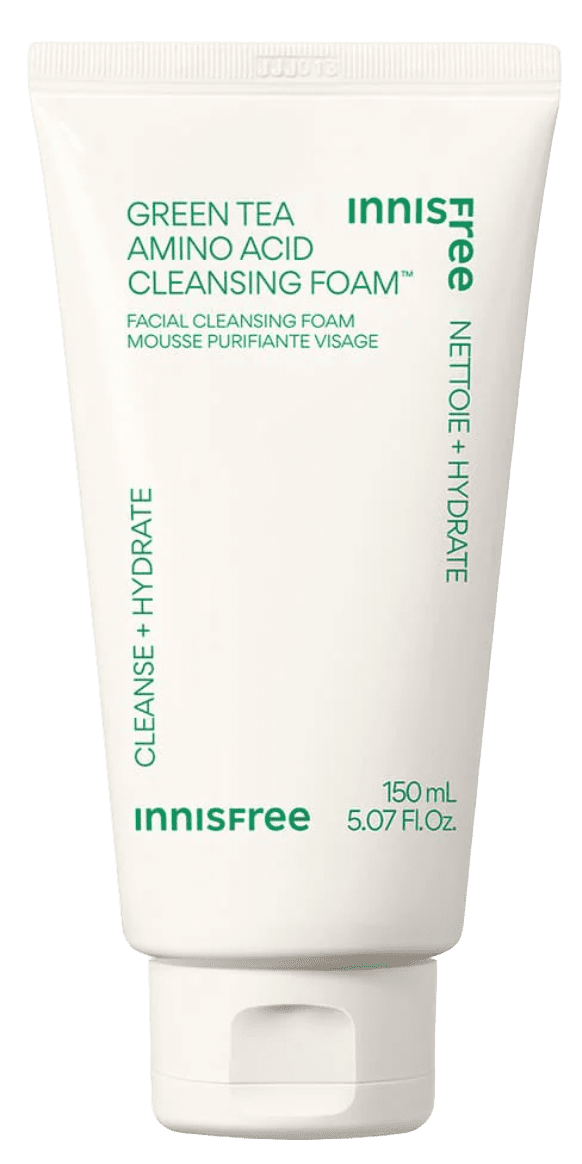
Innisfree Sulfate-Free Green Tea Amino Acid Cleansing Foam
This cleanser contains green tea water, which helps with skin hydration, while its amino acid complexes cleanse the skin gently. It’s a great option for those who want a refreshing clean without feeling stripped or tight afterward. The green tea extract is rich in antioxidants that soothe inflammation and protect the skin from environmental stressors.
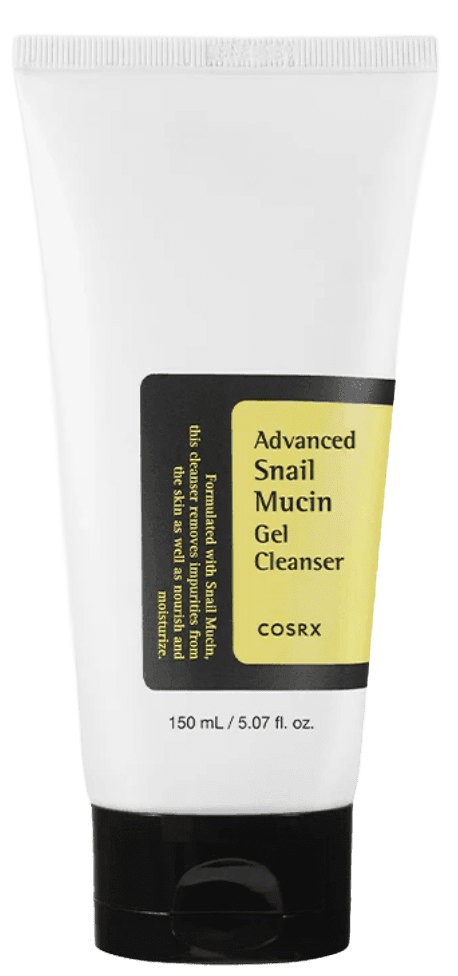
I like to recommend this one for daily use because it balances effective cleansing with hydration and barrier support. The snail mucin helps to calm, smooth, and strengthen the skin, making it ideal for all skin types — especially if you’re prone to dryness or irritation. It also includes allantoin and hyaluronic acid, which help lock in moisture and promote healing.
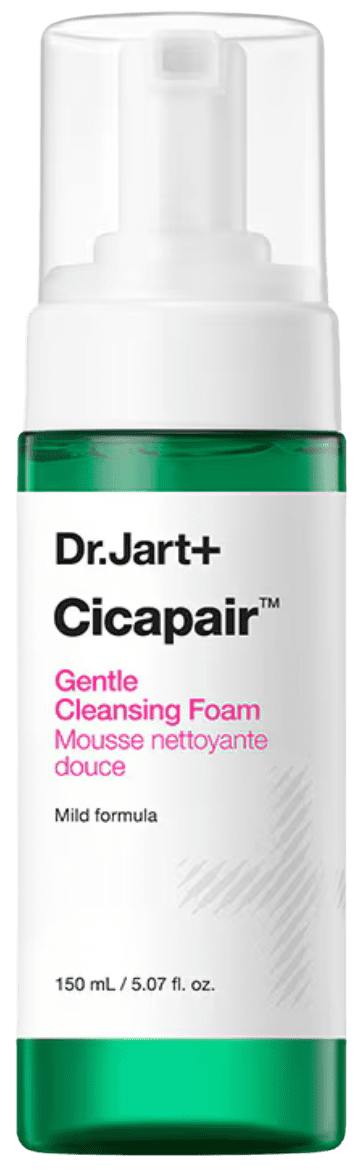
This cleanser helps promote hydration without drying the skin out. Formulated with centella asiatica (or “cica”), it’s particularly soothing for those with sensitive or redness-prone skin. The addition of herbs like mugwort and houttuynia cordata helps to calm inflammation and strengthen the skin’s protective barrier.
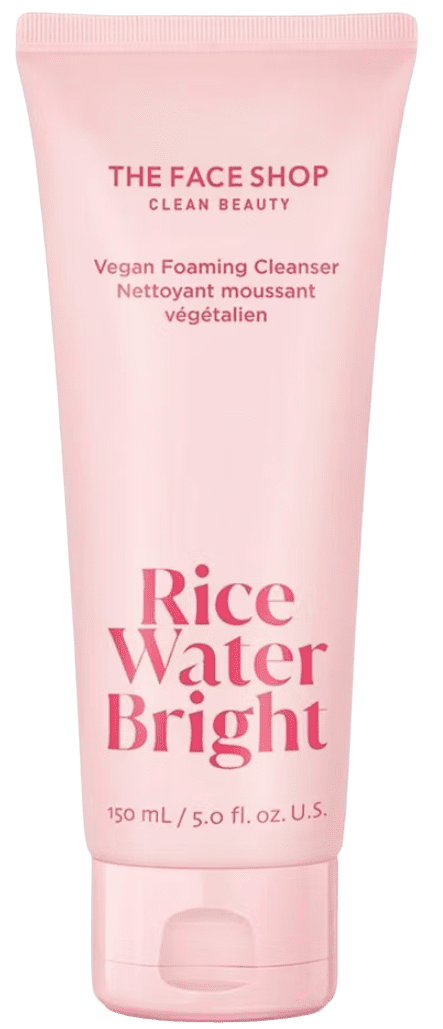
Rice water is rich in vitamins, amino acids, and other nutrients that contribute to brighter, cleaner skin. I often recommend this for patients looking to boost radiance and achieve a smoother, more even complexion. The rice bran extract in the formula gently exfoliates while adding nourishment, giving skin a healthy glow.
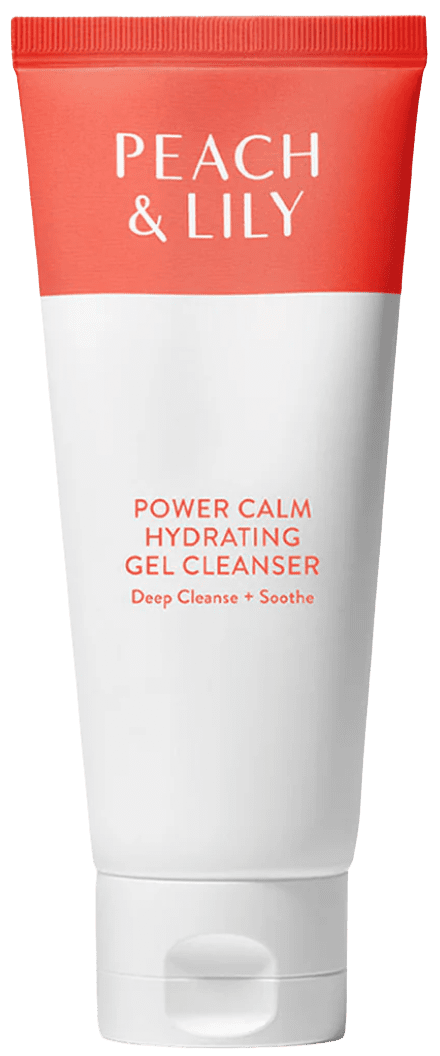
This gel cleanser can be particularly beneficial for sensitive or dehydrated skin. It uses calming ingredients that help support the skin barrier while providing a thorough, non-stripping cleanse. Key ingredients like chamomile and camellia extract work to soothe irritation, while hyaluronic acid provides lasting hydration.
I like this lightweight gel because it removes the last traces of dirt and makeup while keeping the skin smooth and hydrated. It’s a great choice for anyone who prefers a gentle but effective second cleanse. Its formula includes licorice root and centella asiatica extracts, which brighten and calm the skin at the same time.
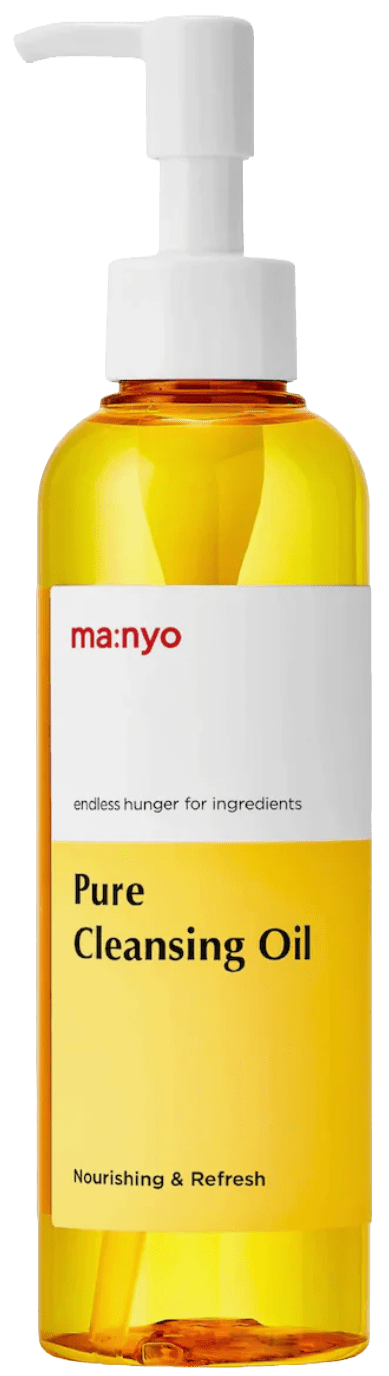
This nourishing oil cleanser uses plant oils that leave the skin soft while maintaining barrier health. I recommend it for anyone who wears heavier makeup or sunscreen — it’s a perfect first step in a double-cleansing routine. It contains a blend of olive, jojoba, and argan oils that dissolve impurities while adding moisture and essential fatty acids back into the skin.
It cleans gently without irritation, making it ideal for sensitive or reactive skin. I often suggest it to patients who want a mild, calming cleanser that protects the skin’s natural barrier. With panthenol to restore hydration and madecassoside to calm redness, it’s one of my go-to choices for anyone with compromised skin.
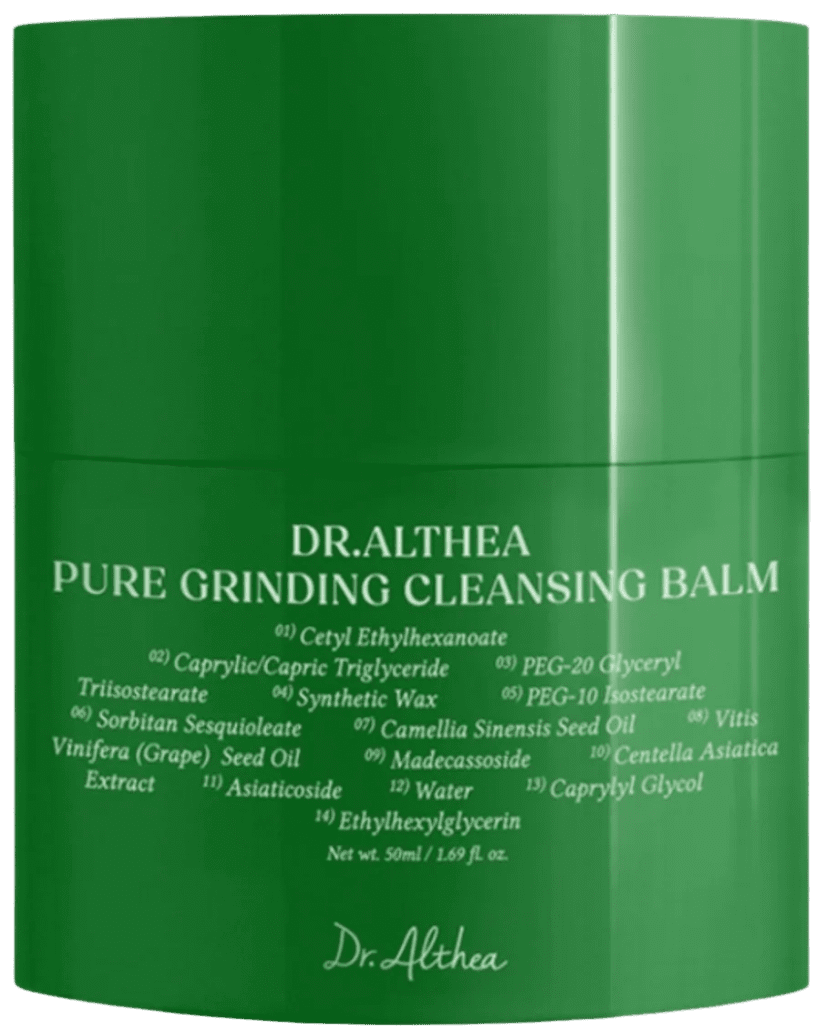
I like this cleansing balm for patients who need deep cleansing without dryness or irritation. It melts away buildup while leaving skin soft, hydrated, and refreshed. The balm is infused with ceramides and soothing botanical oils that replenish the skin barrier while thoroughly removing impurities.
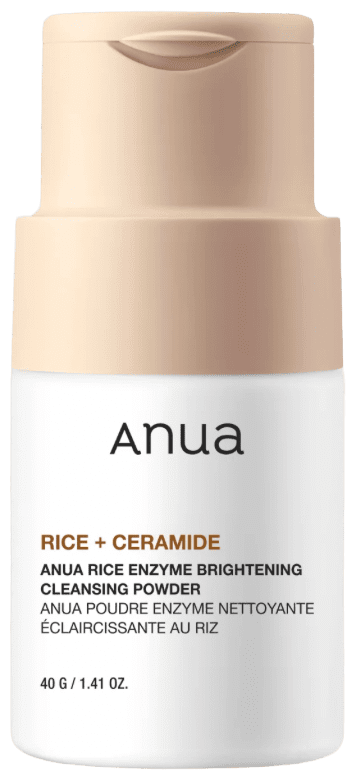
This powder cleanser is great for adding radiance and smoothness without irritation. You can adjust the intensity by changing how much water you add, which makes it suitable for both normal and sensitive skin types. The rice enzymes provide gentle exfoliation, while niacinamide helps brighten dull areas and improve overall tone.
Cookie Consent
We use cookies to improve your experience on our site. By using our site, you consent to cookies.
Cookie Preferences
Manage your cookie preferences below:
Essential cookies enable basic functions and are necessary for the proper function of the website.
Name
Description
Duration
Geolocation Config
This cookie is used to store the consent settings based on the visitor's location.
30 days
Cookie Preferences
This cookie is used to store the user's cookie consent preferences.
30 days
CloudFlare provides web performance and security solutions, enhancing site speed and protecting against threats.
These cookies are for internal use which allows Cloudflare to identify production issues on clients.
session
__cfruid
Used by the content network, Cloudflare, to identify trusted web traffic.
session
__cf_bm
Cloudflare's bot products identify and mitigate automated traffic to protect your site from bad bots. Cloudflare places the __cf_bm cookie on End User devices that access Customer sites that are protected by Bot Management or Bot Fight Mode. The __cf_bm cookie is necessary for the proper functioning of these bot solutions.
session
__cflb
When enabling session affinity with Cloudflare Load Balancer, Cloudflare sets a __cflb cookie with a unique value on the first response to the requesting client. Cloudflare routes future requests to the same origin, optimizing network resource usage. In the event of a failover, Cloudflare sets a new __cflb cookie to direct future requests to the failover pool.
session
_cfuvid
The _cfuvid cookie is only set when a site uses this option in a Rate Limiting Rule, and is only used to allow the Cloudflare WAF to distinguish individual users who share the same IP address.
session
cf_clearance
Whether a CAPTCHA or Javascript challenge has been solved.
session
__cfseq
Sequence rules uses cookies to track the order of requests a user has made and the time between requests and makes them available via Cloudflare Rules. This allows you to write rules that match valid or invalid sequences. The specific cookies used to validate sequences are called sequence cookies.
session
cf_ob_info
The cf_ob_info cookie provides information on: The HTTP Status Code returned by the origin web server. The Ray ID of the original failed request. The data center serving the traffic
session
cf_chl_rc_ni
These cookies are for internal use which allows Cloudflare to identify production issues on clients.
session
cf_chl_rc_i
These cookies are for internal use which allows Cloudflare to identify production issues on clients.
session
__cfwaitingroom
The __cfwaitingroom cookie is only used to track visitors that access a waiting room enabled host and path combination for a zone. Visitors using a browser that does not accept cookies cannot visit the host and path combination while the waiting room is active.
session
cf_use_ob
The cf_use_ob cookie informs Cloudflare to fetch the requested resource from the Always Online cache on the designated port. Applicable values are: 0, 80, and 443. The cf_ob_info and cf_use_ob cookies are persistent cookies that expire after 30 seconds.
session
Google Tag Manager simplifies the management of marketing tags on your website without code changes.
Name
Description
Duration
td
Registers statistical data on users' behaviour on the website. Used for internal analytics by the website operator.
session
cookiePreferences
Registers cookie preferences of a user
2 years
WooCommerce is a customizable eCommerce platform for building online stores using WordPress.
Name
Description
Duration
woocommerce_items_in_cart
Helps WooCommerce determine when cart contents/data changes.
session
woocommerce_cart_hash
Helps WooCommerce determine when cart contents/data changes.
session
woocommerce_dismissed_suggestions__
Count of suggestion dismissals, if enabled.
1 month
woocommerce_snooze_suggestions__
Allows dashboard users to dismiss Marketplace suggestions, if enabled.
2 days
store_notice
Allows customers to dismiss the Store Notice.
session
woocommerce_recently_viewed
Powers the Recent Viewed Products widget
session
wp_woocommerce_session_
Contains a unique code for each customer so that it knows where to find the cart data in the database for each customer.
2 days
Statistics cookies collect information anonymously. This information helps us understand how visitors use our website.
Google Analytics is a powerful tool that tracks and analyzes website traffic for informed marketing decisions.
Used to monitor number of Google Analytics server requests when using Google Tag Manager
1 minute
_gid
ID used to identify users for 24 hours after last activity
24 hours
_gac_
Contains information related to marketing campaigns of the user. These are shared with Google AdWords / Google Ads when the Google Ads and Google Analytics accounts are linked together.
90 days
_gali
Used by Google Analytics to determine which links on a page are being clicked
30 seconds
_ga
ID used to identify users
2 years
__utmx
Used to determine whether a user is included in an A / B or Multivariate test.
18 months
__utmv
Contains custom information set by the web developer via the _setCustomVar method in Google Analytics. This cookie is updated every time new data is sent to the Google Analytics server.
2 years after last activity
__utmz
Contains information about the traffic source or campaign that directed user to the website. The cookie is set when the GA.js javascript is loaded and updated when data is sent to the Google Anaytics server
6 months after last activity
__utmc
Used only with old Urchin versions of Google Analytics and not with GA.js. Was used to distinguish between new sessions and visits at the end of a session.
End of session (browser)
__utmb
Used to distinguish new sessions and visits. This cookie is set when the GA.js javascript library is loaded and there is no existing __utmb cookie. The cookie is updated every time data is sent to the Google Analytics server.
30 minutes after last activity
__utmt
Used to monitor number of Google Analytics server requests
10 minutes
__utma
ID used to identify users and sessions
2 years after last activity
SourceBuster is used by WooCommerce for order attribution based on user source.
Name
Description
Duration
sbjs_migrations
Technical data to help with migrations between different versions of the tracking feature
session
sbjs_current_add
Timestamp, referring URL, and entry page for your visitor’s current visit to your store
session
sbjs_first_add
Timestamp, referring URL, and entry page for your visitor’s first visit to your store (only applicable if the visitor returns before the session expires)
session
sbjs_current
Traffic origin information for the visitor’s current visit to your store
session
sbjs_first
Traffic origin information for the visitor’s first visit to your store (only applicable if the visitor returns before the session expires)
session
sbjs_udata
Information about the visitor’s user agent, such as IP, the browser, and the device type
session
sbjs_session
The number of page views in this session and the current page path
30 minutes
Marketing cookies are used to follow visitors to websites. The intention is to show ads that are relevant and engaging to the individual user.
Facebook Pixel is a web analytics service that tracks and reports website traffic.