A Dermatologist’s Guide to Safe Skincare During Pregnancy | As Seen in Goop

Navigating skincare during pregnancy can feel overwhelming, especially when so many popular ingredients suddenly land on the “avoid” list. Dr. Mona Foad, breaks down exactly which ingredients and devices to skip during pregnancy, what safe alternatives actually work, and how to simplify your routine without sacrificing results, featured in Goop. From retinoid replacements to sunscreen swaps, here’s everything you need to know to keep your skin healthy and protected while pregnant.
Safe Skincare During Pregnancy

How does pregnancy change the way skin behaves — and how does it affect the way your skin absorbs topical ingredients?

Pregnancy can change the way the skin behaves in several ways because of hormonal shifts. Many patients notice increased oil production, changes in pigmentation, or heightened skin sensitivity during this time. The skin barrier can also become more reactive, which means products that were previously well tolerated may suddenly feel irritating. While the skin still functions as an effective barrier, dermatologists tend to be more cautious with certain ingredients during pregnancy. Even though systemic absorption from topical products is usually minimal, we try to minimize exposure to ingredients that may carry theoretical risks. For that reason, I typically recommend simplifying skincare routines and focusing on gentle, well-studied ingredients during pregnancy.

Why are vitamin A derivatives (retinoids) generally discouraged?

Dermatologists typically advise against retinoids during pregnancy largely because of what we know about oral isotretinoin, which causes birth defects when taken systemically. Because topical retinoids are also vitamin A derivatives, there has historically been concern about the possibility of systemic absorption, even though the amount absorbed through the skin is generally very small. Out of an abundance of caution, most dermatologists recommend discontinuing topical retinoids such as retinol, tretinoin, and adapalene during pregnancy. The safety data in pregnant patients is limited, so we prefer to err on the side of safety. Fortunately, there are several alternative ingredients that can help address common concerns like acne or uneven tone during this time.

Which alternative ingredient(s) do you recommend in place of retinoids, and why?

There are several ingredients that can serve as helpful alternatives to retinoids during pregnancy. One that I frequently recommend is azelaic acid, which can help address both acne and pigmentation while also calming inflammation. It’s generally well tolerated and has a strong safety profile. Niacinamide is another excellent option because it supports the skin barrier, helps regulate oil production, and can reduce redness. Some patients may also benefit from gentle exfoliating acids, such as lactic acid, but I would stay under 10%.. During pregnancy, I usually encourage patients to focus on maintaining a healthy skin barrier rather than aggressively targeting multiple concerns at once. A simplified routine that supports hydration and skin balance can often go a long way.

What ingredients are safe and effective for managing breakouts during pregnancy?

Hormonal fluctuations during pregnancy often lead to increased oil production, which can contribute to breakouts. Topical prescription Erythromycin and metronidazole are category B in pregnancy. They are considered safe to use if needed for break outs in pregnancy. Azelaic acid is also a preferred ingredient in these cases because it helps reduce inflammation, unclog pores, and improve post-acne discoloration. Gentle exfoliating acids, such as glycolic acid or lactic acid, can also help prevent pore congestion and improve overall skin texture. Niacinamide can be very beneficial, since it helps balance oil production while calming redness and supporting the skin barrier. Overall, the goal during pregnancy is to use consistent but gentle treatments that support the skin’s natural balance rather than relying on stronger acne medications.

During pregnancy, should you switch to a mineral sunscreen?

During pregnancy, many dermatologists recommend mineral sunscreens that contain zinc oxide or titanium dioxide. These ingredients sit on the surface of the skin and physically reflect UV rays rather than absorbing into it. While chemical sunscreens carry a strong safety record, many patients prefer mineral formulas during pregnancy because they offer an extra level of reassurance and sensitive skin tends to tolerate them better. Mineral sunscreens also offer excellent broad-spectrum protection against both UVA and UVB rays. Daily sun protection is particularly important during pregnancy because hormonal changes can increase the risk of hyperpigmentation.
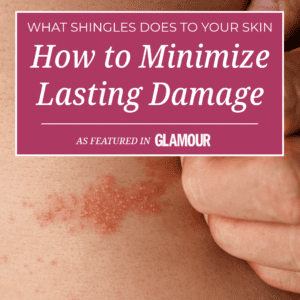


What Shingles Does to Your Skin and How to Minimize Lasting Damage | As Seen in Glamour

Shingles is more than just a painful rash. Without the right care, it can leave behind lasting skin damage including scarring, hyperpigmentation, and chronic sensitivity. Dr. Alexandra Bowles, walks through the full progression of a shingles outbreak, what it means for your skin at each stage, and exactly how to care for it to reduce the risk of long-term damage. Whether you’re in the early tingling phase or deep in recovery, learn more in Glamour’s full article.

shingles

What does the typical timeline and progression of a shingles rash look like?

Shingles typically follows a fairly predictable progression, although it can vary somewhat from person to person. It often starts with a tingling, burning, or sensitive feeling. Within a few days, a red rash begins to appear, followed by clusters of small, fluid-filled blisters. These blisters can become painful and may continue to develop over several days before they eventually begin to dry out and form scabs. Over time, the scabs heal, although the skin may still appear discolored or sensitive for a period afterward. I usually think of it as moving from nerve-related symptoms to visible skin changes and then into a healing phase.

What are some of the risks or things that can happen to your skin from an episode of shingles? 

In the short term, shingles can cause significant inflammation, redness, and discomfort in the affected area. As the skin heals, some patients may experience post-inflammatory hyperpigmentation or changes in skin tone, particularly if the rash was more severe. In some cases, there can also be textural changes or mild scarring, especially if the blisters were disrupted. One of the more well-known long-term complications is postherpetic neuralgia, which involves lingering nerve pain even after the skin has healed. I also see patients who notice ongoing sensitivity or dryness in the affected area. The degree of these changes can vary depending on how early the condition is treated and how the skin is cared for during the healing process.

What are best practices for maintaining the health of your skin, lessening symptoms, and reducing the risk of skin damage?

During the early tingling phase, the most important step is seeking medical evaluation, as antiviral treatment can help reduce the severity and duration of the outbreak. Once the rash appears, I usually recommend keeping the area clean, avoiding friction, and using gentle, non-irritating skincare. During the blister phase, it’s important not to pick or pop the lesions, as this can increase the risk of infection and scarring. As the skin begins to scab and heal, keeping the area lightly moisturized can help support the skin barrier. Sun protection is also very important once the rash has healed, since the skin can be more prone to discoloration at that stage. Overall, gentle care and avoiding unnecessary irritation are key throughout the process.

Does the progression always look the same? 

The progression is often similar, but it doesn’t look exactly the same for everyone. Some people may have a milder rash, while others experience more extensive blistering or discomfort. Catching shingles early is important because starting antiviral treatment can help reduce inflammation and limit how severe the rash becomes. From a skin perspective, this can lower the risk of prolonged discoloration, scarring, and ongoing sensitivity. I usually emphasize that earlier treatment tends to lead to better overall outcomes, both for the skin and for symptom control.

What are some skin mistakes people can make when they have shingles, and why are these important to avoid?

One of the most common mistakes is picking or scratching the affected area, which can increase the risk of infection and scarring. I also see patients use overly harsh products or try to “treat” the rash with strong active ingredients, which can further irritate already inflamed skin. Another issue is not keeping the area clean and protected, especially if blisters are present. It’s also important to avoid excessive sun exposure during healing, as this can worsen discoloration. In general, I recommend keeping the routine simple and focused on supporting the skin rather than aggressively treating it.

What products are recommended for a shingles outbreak?

I usually recommend focusing on gentle, soothing products that support the skin barrier during a shingles outbreak. A simple, fragrance-free moisturizer can be very helpful, especially as the skin begins to dry out or scab. For example, I often suggest something like CeraVe Moisturizing Cream because it contains ceramides and hydrating ingredients that help maintain the skin barrier without adding unnecessary irritation. For cleansing, I recommend using a very gentle, non-stripping cleanser that won’t disrupt the skin while it’s healing. A product like Vanicream Gentle Facial Cleanser is a good option because it effectively removes debris while still being well-tolerated by sensitive or inflamed skin. In addition to basic skincare, cool compresses can help relieve discomfort during more active stages of the rash. I also recommend avoiding strong active ingredients such as exfoliants or retinoids until the skin has fully recovered. Overall, the goal is to keep the routine simple and supportive while the skin heals.


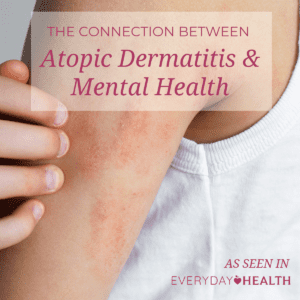
The Connection Between Atopic Dermatitis and Mental Health | As Seen in Everyday Health

Atopic dermatitis is far more than a skin condition. Its effects on the nervous system, sleep, and emotional well-being run deep. Dr. Mona Foad, as featured in Everyday Health, explains the science behind why chronic skin inflammation can fuel anxiety, depression, and emotional fatigue, and why treating the whole patient matters just as much as treating the skin. If you or someone you know lives with atopic dermatitis, understanding this mind-skin connection could change the way you approach care.

Atopic Dermatitis


What’s the possible link between chronic inflammation with atopic dermatitis, the nervous system, and emotional distress?

Atopic dermatitis is not just a skin condition. It is a chronic inflammatory disease that affects the nervous system and emotional well-being as well. The skin and nervous system are closely connected, sharing many of the same inflammatory pathways. Ongoing skin inflammation can stimulate nerve endings, leading to persistent itch, discomfort, and sleep disruption. This places continuous stress on the body. Over time, this chronic inflammatory state can increase levels of stress hormones and inflammatory cytokines that also influence mood and emotional regulation. This helps explain why patients with moderate to severe atopic dermatitis have higher rates of anxiety, depression, and emotional fatigue. When the skin is constantly inflamed, the body never fully gets a chance to reset, and that ongoing signal can affect both physical and emotional health.

Why does stress tend to trigger flares? 

Stress activates the body’s stress-response system that can disrupt the skin barrier and immune balance. In patients with atopic dermatitis, this stress response can worsen inflammation, impair barrier repair, and increase itch sensitivity. Stress also lowers the threshold for itch perception, meaning patients may scratch more, which further damages the skin and perpetuates the itch-scratch cycle. Additionally, stress can alter immune signaling in a way that favors inflammation rather than healing. This creates a feedback loop where stress worsens the skin, and worsening skin increases stress, making flares more likely and often more severe.

What are some signs that a patient’s emotional health may be affected by atopic dermatitis?

Emotional distress related to atopic dermatitis can show up in subtle but meaningful ways. Patients may report poor sleep due to itching, increased irritability, or difficulty concentrating during the day. Others may withdraw socially, avoid activities, or feel embarrassed about visible rashes. Feelings of frustration, helplessness, or anxiety around flare unpredictability are also common. In some cases, patients may minimize their emotional symptoms unless directly asked, which is why it’s important for dermatologists to check in about quality of life, not just what the skin looks like on exam.

What role does treatment play? 

Treatment plays a critical role not only in controlling skin inflammation, but also in improving overall quality of life. When atopic dermatitis is inadequately controlled, the ongoing itch, sleep disruption, and emotional burden can significantly affect mental health. For patients whose disease is impacting daily functioning, mood, or sleep, this absolutely becomes part of the conversation when considering escalation to systemic therapies. The goal of treatment is not just clearer skin, but restoring comfort, sleep, and emotional balance. When used appropriately, newer systemic therapies can reduce inflammation at its source, break the itch-scratch cycle, and provide meaningful relief that extends beyond the skin. Addressing both physical symptoms and emotional well-being is essential to truly treating atopic dermatitis.


When and Why You Should Replace Your Hairbrush | As Seen in HuffPost

A worn or dirty hairbrush can contribute to breakage, scalp irritation, and dull-looking hair. Regularly cleaning and replacing your brush can help keep both hair and scalp healthy! Learn more about how this can affect your hair and scalp health with Dr. Alexandra Bowles, featured in HuffPost’s article.

When and Why You Should Replace Your Hairbrush

How often should you replace your hairbrush?

In many cases, replacing a hairbrush every six to twelve months is a good general guideline. It can vary depending on how often the brush is used and how well it is maintained. Over time, the bristles can become worn, bent, or damaged, which can make the brush less effective and potentially rougher on the hair and scalp. If the brush begins to accumulate buildup that is difficult to clean or if the bristles lose their shape, it’s usually a good sign that it’s time for a replacement. Regularly replacing or maintaining your hairbrush helps ensure it continues to detangle and style the hair without causing unnecessary stress to the strands.

Why is it important to replace your hairbrush often enough?

Hairbrushes collect quite a bit over time, including shed hair, natural oils from the scalp, dust, and residue from styling products. If a brush is not cleaned or replaced periodically, that buildup can be redistributed back onto the hair and scalp during brushing. Worn bristles may also tug on the hair more than they should, which can contribute to breakage or unnecessary tension on the strands. Replacing a brush when it becomes worn helps maintain both scalp hygiene and overall hair health.

How could an old hairbrush with the ball tips worn off mess up your hair or scalp?

Many brushes have small, rounded tips at the end of the bristles that are designed to help protect the scalp and glide through the hair more gently. When those tips wear off, the exposed bristles can become sharper or rougher against the scalp. This may lead to increased friction, minor scalp irritation, or unnecessary pulling on the hair. Over time, that extra tension can contribute to breakage, especially in individuals with fragile or chemically treated hair. A brush that no longer has intact tips may not distribute pressure evenly across the scalp.

How could an old hairbrush that’s dirty mess up your hair or scalp?

If you don’t clean your hairbrush regularly, it collects oils, dead skin cells, styling products, and environmental debris. Every time you use the brush, it transfers that buildup back onto your hair and scalp. In some cases, this may contribute to scalp irritation, itching, or a greasy appearance even after washing. Dirty brushes can also make the hair feel heavier or dull because of the residue being redistributed. Keeping brushes clean helps maintain a healthier scalp environment.

Should you be cleaning your hairbrushes? If so, how?

Yes, hairbrushes should be cleaned regularly. I typically recommend removing trapped hair after each use or at least every few days. Every one to two weeks, the brush can be washed with warm water and a gentle shampoo to remove oils and product buildup. Using a small brush or toothbrush can help clean between the bristles if necessary. After washing, it’s best to allow the brush to air dry completely before using it again. This simple routine can help extend the lifespan of the brush and keep it more hygienic.

Do you have a hairbrush you recommend? 

One brush that I often recommend is the Wet Brush Original Detangler. It’s designed with flexible bristles that help detangle hair with less pulling or tension on the strands. I find it  helpful for those with fragile, fine, or easily tangled hair because it glides through the hair gently. It can also be used on both wet and dry hair, which makes it a versatile option for daily use.

How can it affect your overall scalp health?

Many people often overlook hairbrushes when thinking about hair and scalp care, but they play an important role in keeping hair healthy. Cleaning and maintaining your brush helps reduce unnecessary tension and breakage and prevents buildup from spreading back onto your scalp. In general, I recommend choosing brushes that are gentle on the hair and replacing them when they show signs of wear. Small habits like cleaning and maintaining your brush can make a noticeable difference in overall hair health over time.


Why Your Body Skin Deserves the Same Attention as Your Face | As Seen in Ebony

Body care has had a long-overdue glow-up, and dermatologists are taking notice. Dr. Mona Foad, as featured in Ebony, explains why body skin deserves the same ingredient-driven, targeted approach as facial skincare, and what that actually looks like in practice. From treating hyperpigmentation in melanin-rich skin to addressing keratosis pilaris and texture, here’s how to build a body care routine that goes beyond basic lotion.

Why Your Body Skin Deserves the Same Attention as Your Face

Why do you think that body care has been ignored in the beauty space for so long vs facial skin care?

Historically, facial skincare has received more attention because it is the most visible and often the first area where people notice signs of aging or skin concerns. There has also been a perception that the body is more resilient and requires less targeted care, which is not necessarily true. In reality, the skin on the body is still subject to many of the same concerns, like dryness, sun damage, pigmentation, and texture changes, but it has often been approached in a more simplified way. I think we are now seeing a shift as people begin to view skin health more holistically, rather than separating the face from the rest of the body.

In the past, body care that targeted specific skin concerns was typically very clinical now we’re seeing mainstream brands offer luxe body care products that aim to address KP, hyperpigmentation, and texture issues. What do you think caused this shift?

I think this shift is being driven by a combination of increased education and changing consumer expectations. People are more informed about ingredients and are looking for products that do more than basic hydration. At the same time, there is a greater focus on overall skin health and consistency from head to toe. As a result, brands are responding by creating products that feel more elevated while still addressing real concerns like keratosis pilaris, uneven tone, and texture. It reflects a broader understanding that body skin deserves the same level of care and attention as the face.

How have you personally noticed basic body care evolving into facial-grade skincare for the whole body?

Over time, I have seen body care move beyond simple cleansers and moisturizers to include more targeted, ingredient-driven formulations. We are now seeing ingredients commonly used in facial skincare, such as exfoliating acids, niacinamide, and antioxidants, being incorporated into body products. This can be beneficial when done thoughtfully, but it also requires a balanced approach. The skin on the body can tolerate certain ingredients differently from the face, and routines do not need to be overly complicated to be effective.

What are your thoughts about people creating an entire routine around body care?

I think it can be helpful, but it does not need to be overly complex. A consistent, simple routine is often more effective than layering multiple products without a clear purpose. For most people, a good body care routine includes gentle cleansing, regular moisturizing, sun protection on exposed areas, and targeted treatments when needed. The goal should be to support the skin barrier and address specific concerns, rather than trying to replicate a multi-step facial routine on the body.

How have you noticed new body care products address hyperpigmentation?

There has been a noticeable increase in products that are more thoughtfully formulated for hyperpigmentation, particularly in melanin-rich skin. Many of these products focus on ingredients that help even skin tone while also supporting the skin barrier, which is very important. There is also greater awareness around minimizing irritation, since inflammation can worsen pigmentation. I think this shift reflects a better understanding of how to treat hyperpigmentation safely and effectively across different skin tones.

What is the difference between treating face vs body discoloration?

The approach is similar in principle, but there are some important differences. The skin on the body is generally thicker than the skin on the face. This can sometimes make discoloration more persistent and slower to respond to treatment. At the same time, the body is often exposed to ongoing triggers, which can make pigmentation more difficult to manage. Treatment typically requires a combination of gentle exfoliation, pigment-targeting ingredients, and consistent sun protection, along with addressing any underlying triggers.

How does friction, shaving, and inflammation contribute to hyperpigmentation in darker skin tones?

Friction, shaving, and inflammation can all lead to a process called post-inflammatory hyperpigmentation. When the skin becomes irritated or inflamed, it can trigger an increase in melanin production as part of the healing response. In melanin-rich skin, this response can be more pronounced. This is why even minor irritation, can lead to darkened areas over time. Minimizing irritation and supporting the skin barrier are key steps in both prevention and treatment.

What does the ideal body care routine look like on melanin-rich skin?

For melanin-rich skin, I usually recommend a routine that goes beyond just hydration. Add in gentle exfoliation and targeted ingredients to address concerns like uneven tone or texture. This might include using a mild exfoliating product a few times a week, followed by a moisturizer. Also, incorporate ingredients like niacinamide or other tone-evening agents when appropriate. Consistency is key, and it is also important to avoid irritation, since that can worsen pigmentation. Many products now have glycolic acids that can chemically exfoliate the skin. But, make sure to find one that exfoliates without causing the aforementioned irritation.

What is a top body care concern patients come to you for treatment?

One of the most common concerns I see is uneven skin tone or hyperpigmentation. Also, often related to shaving, ingrown hairs, or friction. Patients are also frequently concerned about texture issues, such as keratosis pilaris, as well as persistent dryness. These concerns are often interconnected. Treatment usually involves a combination of barrier support, gentle exfoliation, and addressing any underlying sources of irritation.

What should someone know when just starting to take their body care routine more seriously?

One thing I always emphasize is that body care does not have to be complicated to be effective. Consistency, gentle care, and protecting the skin barrier go a long way. It is also important to be patient. Changes in the skin, especially when it comes to pigmentation or texture, take time. With the right approach and a routine tailored to your skin’s needs, you can see meaningful improvement over time.


The Evolution of Botox: Science, Safety, and Staying Power | As Seen in Cincinnati Magazine

Jessica Watkins, PA-C, shares how the world’s most popular cosmetic treatment, Botox, was discovered by accident, and why it has continued to be a provider and patient favorite over two decades later, featured in Cincinnati Magazine.

The Evolution of Botox

How was it discovered?

The history is quite interesting. The effects of botulinum were first noted in the late 1800s by a German scientist after a small outbreak of foodborne illness. While noting that the poison in high enough doses can prove fatal via its weakening actions on the nervous system, Dr. Justinus Kerner also recognized its paradox. Perhaps there exists a therapeutic potential for treating muscle hyperactivity. Over the years, scientists eventually isolated the causative bacterial strains, Clostridium botulinum. They learned to purify the toxin produced by the bacteria so that it could be more closely studied. By the 1970s, the toxin was first used in humans during experimental treatments for eye muscle disorders.

The results were amazing. Using just a tiny amount, the target muscle was affected with good duration and no adverse side effects. By 1989, the FDA possessed enough data from 240 investigators to approve Botox for blepharospasm (eye twitching) and strabismus (crossed eyes).

How did it become a cosmetic treatment?

Dr. Jean Carruthers, an ophthalmologist using Botox on her blepharospasm patients in the early 1990s, noticed the cosmetic potential of the treatment. Her patients had (gasp!) decreased frown lines! She worked with her late husband, dermatologist Alistair Carruthers, to research the cosmetic use of Botox. By 2002, the world’s most popular cosmetic treatment was born. It is now used by over 2.5 million people per year and has remained the top non-surgical treatment for over two decades.

What can Botox treat?

Botox Cosmetic has four FDA-approved treatment areas: Glabellar (frown) lines, crow’s feet, forehead lines, and the latest indication, jawline and neck lines. There are also 12 medical FDA-approved indications that help people every day for debilitating conditions. This includes chronic migraines, excessive sweating, severe muscle spasms, and urinary incontinence. Now that we have robust clinical research, data, safety, and clinical experience in the real world, health care professionals across many cosmetic and medical specialties use Botox for a myriad of other “off-label” uses. I regularly treat the chin, D.A.O., bunny lines, masseter, lips, and gummy smile.

What trends do you anticipate in the future?

As a cosmetic dermatology PA who has been treating patients with Botox for 10+ years, I can say without a doubt that Botox is here to stay. Researchers have described Botox Cosmetic in more than 792 peer-reviewed articles in scientific and medical journals. This puts it in a league of its own, especially compared to other cosmetic treatments. With Botox paving the way, we have also seen an expansion of the toxin market. Other competing brands include Dysport, Daxxify, Xeomin, and more.

A typical appointment by an expert injector takes less than 10 minutes, has no downtime, and produces rapid, natural-looking results. It’s no wonder that neurotoxin patients are repeat customers regardless of age demographic. Pairing that with ever-expanding medical uses, the Botox demand will certainly continue on its meteoric rise! A new fast-acting Botox is even on the horizon and will hopefully make its appearance in late 2026. Jawline and neck Botox has boomed since its 2024 FDA approval and will only continue to grow in popularity. Botox is also increasingly being used as part of other treatments. For example, mixing with hyaluronic acid serums in AquaGold facials. Using concentrated Botox injected into post-surgical scars has interesting utility.  I think we will be seeing more of this in the future.