Identifying and Treating Tick Bites | As Seen in USA Today
Tick bites are common during outdoor seasons and can sometimes lead to infections if not handled properly. Board-certified dermatologist Dr. Alexandra Bowles shares her expert advice on what to look for, how to remove ticks safely, and when to seek care. Be sure to check out the full article in USA Today!
What do tick bites look like?
Tick bites often appear as small red bumps, sometimes with a darker center where the tick was attached. They can look like mosquito bites but are usually firmer. Some bites may develop a larger red area or a rash, including the bull’s-eye pattern associated with Lyme disease, though not every tick bite causes this rash.
What are the symptoms or potential issues that could arise with tick bites?
Tick bites can cause mild redness, swelling, or itching. The bigger concern is that ticks can transmit infections such as Lyme disease or Rocky Mountain spotted fever. Warning signs include an expanding rash, fever, fatigue, or body aches in the days or weeks following a bite.
What should someone do if they think they have a tick bite?
If you find a tick attached to your skin, remove it as soon as possible using fine-tipped tweezers, pulling straight up without twisting. You may also seek care with a dermatologist for the removal if possible. Clean the area with soap and water afterward. Keep the tick if possible, as it may help with identification. Monitor for symptoms over the next several weeks, and seek medical attention if a rash develops, fever occurs, or flu-like symptoms appear.
Do you have any other advice for people who may be dealing with or trying to prevent these bites?
Prevention is key when it comes to avoiding tick bites. Wearing protective clothing, using insect repellent, and checking your skin after spending time outdoors can lower your risk. Most bites are uncomfortable but not dangerous and improve with simple care. If a bite looks unusual, worsens instead of healing, or comes with systemic symptoms, contact a healthcare professional.
Derm-Approved Tips for Safer Gel Manicures | As Seen in Glamour
Gel manicures have become a go-to for anyone who loves long-lasting, glossy nails that don’t chip for weeks — but are they as harmless as they seem? While their durability and shine are hard to beat, regular gel manicures can come with some hidden downsides if you’re not careful. Listen to board-certified dermatologist Dr. Mona Foad break down how gel manicures affect your nails and how to keep them healthy with proper care. Be sure to check out the full article in Glamour!
Do you get gel manicures? Why or why not?
I used to get gel manicures when they first came out, but I often felt that the gel removal process was weakening my nails. I ended up switching to SNS powder years ago and have been getting that ever since. It’s understandable why so many people love them- they offer durability, a flawless shine, and the ability to go chip-free for weeks at a time. For people who travel often or have busy schedules, the longevity of the gel can be a game-changer. I’m not against them, but I do approach them with caution and always encourage patients to understand the risks and best practices before making them a part of their routine.
What are the primary health risks or negative effects that you associate with gel manicures?
One of the biggest concerns I see with gel manicures is weakened nails. This is often caused by improper application or removal techniques, such as aggressive filing or peeling the polish off, which can strip away layers of the nail and lead to brittleness or even nail loss. There is also the issue of UV exposure, as the lamps used to cure gel polish emit concentrated UVA light linked to premature aging and DNA damage in the skin, even if the exposure is brief. As with any manicure, infections can occur if tools aren’t sterilized properly or if cuticles are pushed back too aggressively, leaving the nail barrier vulnerable to bacteria or fungi. Additionally, the longer exposure to acetone during the removal process can be very drying to both nails and the surrounding skin. These risks don’t mean you can’t enjoy gel manicures, but they do highlight the importance of moderation and safe practices.
What steps can you take to make gel manicures less harmful?
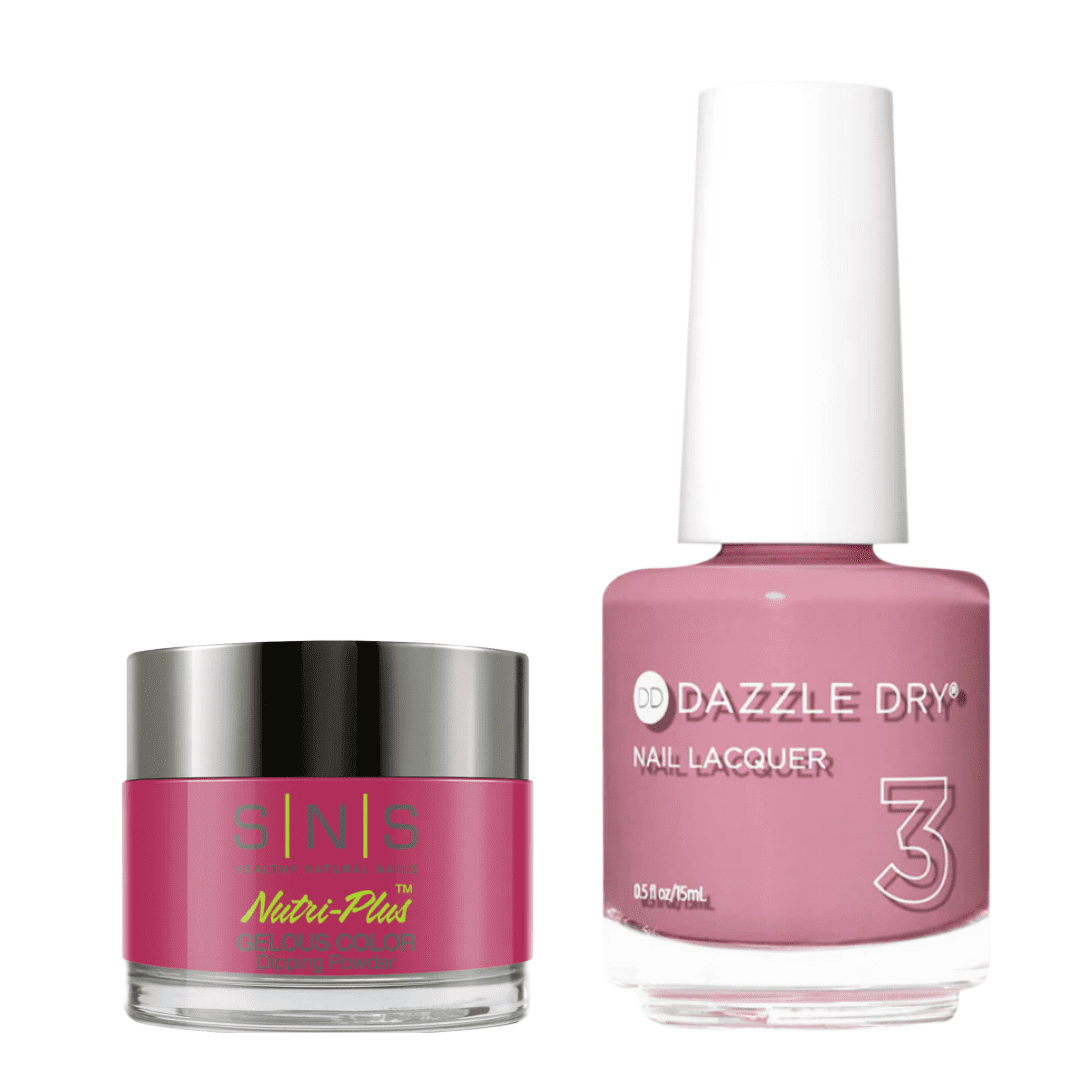
There are several ways to enjoy gel manicures more safely. Before your appointment, apply a broad-spectrum sunscreen or wear UV-protective, fingerless gloves to shield your hands from UVA exposure. During your manicure, make sure you’re working with a licensed technician who uses proper technique and sterilized tools. Never allow your cuticles to be cut or pushed back too aggressively. When it comes to removal, avoid peeling or prying off gel polish. Instead, soak only the fingertips in acetone and follow with a nourishing oil or cream for nails and cuticles. Some salons use acetone-soaked cotton with foil wraps on the nail tips rather than submerging the entire hand. Between manicures, give your nails a break by taking “polish holidays” for a week or two. You can also use that time to rehydrate nails regularly with petroleum jelly or cuticle oil. As the industry evolves, you can also try other manicure methods, either between gel manicures, or as a safer alternative. Ask your manicurist if they offer other methods, such as the SNS Powder or Dazzle Dry manicures.
Do typical SPF products protect against the UV light used to cure gel?
Not reliably. Standard sunscreens are designed and tested for protection against sunlight, which is much less intense than the concentrated UVA light from gel manicure lamps. Even broad-spectrum formulas may not block enough UVA to make a meaningful difference during curing. That’s why the best protection is physical shielding. Fingerless UV-protective gloves are the gold standard, since they can block over 99% of the rays while still leaving your nails exposed for treatment. If gloves aren’t available, a broad-spectrum SPF 30+ can help if applied generously about 20 minutes before the appointment and reapplied before each lamp exposure.
How do you feel about the UK gel manicure ban?
I think the UK’s move reflects increasing concern about long-term risks that come with repeated UV exposure and nail damage. While gel manicures themselves aren’t inherently dangerous, misuse, overuse, or lack of proper protection can cause real problems. Bans like this also highlight the need for innovation in safer nail technologies. In the meantime, my message to patients is not one of fear, but of balance. Be mindful of the risks, protect your nails, and try safer alternatives that still give you long-lasting results.
What would you tell patients who have concerns about using gel polish but don’t want to give it up?
I always tell patients: if you love gels, you don’t necessarily need to give them up, but they might not be the best long-term option. Use them occasionally and look at other manicure methods. You just need to be smart about how you do them. Choose a skilled, licensed technician, protect your hands from UV exposure, and commit to proper removal. Hydrate your nails and give them breaks between manicures to allow recovery. Think of gels as an occasional indulgence, not a constant routine. With the right care, you can enjoy the benefits while minimizing the risks.
Best Moisturizers for Glowing Skin | As Seen in Vogue
Glowing skin starts with the right moisturizer. Hear Dr. Alexandra Bowles share her expert recommendations for hydrating formulas that nourish, protect, and leave your complexion naturally radiant. Don’t forget to check out the full article in Vogue!
iNNBeauty Project Extreme Cream: This cream is a wonderful option for patients looking for deep hydration paired with visible results. Its rich texture immediately comforts dry or mature skin, but what sets it apart are the clinically measured improvements in firmness and elasticity after six weeks of consistent use. The formula helps smooth deep wrinkles, plump the skin, and visibly contour areas of sagging, giving the complexion a healthier, more lifted appearance. It leaves skin looking luminous without feeling greasy. For those wanting both barrier support and anti-aging benefits in one step, this cream strikes a really nice balance.
Clinique Moisture Surge: Clinique’s Moisture Surge is an excellent choice for those looking for lasting hydration in a lightweight, refreshing formula. With hyaluronic acid and aloe bio-ferment, it penetrates deeply to deliver up to 100 hours of stabilizing hydration, helping skin bounce back from everyday stressors like lack of sleep, travel, or sun exposure. It not only hydrates but also protects with antioxidants like vitamins C and E, which guard against environmental “dehydrators” that accelerate aging. Skin feels soothed within seconds, with a soft glow that lasts, making it especially helpful for those prone to dryness or dullness. Plus, its smooth, gel-cream texture preps the skin beautifully for makeup, giving patients a hydrated base without greasiness or pilling.
Sulwhasoo Concentrated Ginseng Renewing Cream: The Sulwhasoo Concentrated Ginseng Renewing Cream is a rich, nourishing option for anyone looking to target dryness and visible signs of aging. Powered by ginseng and peptides, it helps skin feel firmer and more resilient while smoothing the look of fine lines. The added vitamin C derivative brings a healthy brightness, and squalene gives deep, lasting hydration without being heavy. I like that it works well across most skin types, leaving the complexion plumper, hydrated, and more radiant with regular use. What makes this cream stand out is how it brings a sense of luxury to your daily routine, while still delivering results you can actually see and feel. The texture melts into the skin without heaviness, which makes it easy to use day or night. With time, skin not only looks firmer, but also feels healthier and more supported.
Paula’s Choice Skincare C5 Super Boost Moisturizer: Paula’s Choice C5 Super Boost Moisturizer is a great option for patients looking for hydration and brightening in one step. The lightweight gel-cream texture makes it easy to wear daily, whether under makeup or on its own, and it leaves skin feeling refreshed rather than heavy. With 5% vitamin C, it helps counter dullness and protect against free-radical damage from the environment, something I emphasize to patients dealing with early signs of sun damage. The dual-encapsulated lipid blend is especially helpful for supporting barrier health, keeping skin resilient and balanced over time. I also like that it “trains” the skin to stay hydrated, meaning the benefits build with consistent use, leaving skin looking firmer, smoother, and more supple.
Tata Harper Water-Lock Moisturizer: The Tata Harper Water-Lock Moisturizer is a beautiful option for patients who want hydration and priming in one easy step. It uses orange peptides and pomegranate spheres to create a breathable, smoothing barrier without relying on silicones, making it especially appealing for those with sensitive or acne-prone skin. Its water-locking technology delivers steady surface hydration, helping skin feel fresh and comfortable all day. Patients love that the lightweight, gel-like texture layers beautifully under makeup, almost like a built-in primer. For anyone looking to simplify their routine while still keeping skin healthy, hydrated, and radiant, this moisturizer checks a lot of boxes.
Anti-Aging Treatments | As Seen on The Wealthy Healthy Life Podcast
With so many anti-aging options available today, it can be hard to know what really works. In a recent episode of the Wellthy Healthy Life Podcast by Nicole Johnson, our own Dr. Alexandra Bowles shares her expert perspective on treatments that can make the biggest impact, why combination therapy matters, and how patients can start building a long-term plan for healthy, youthful skin. Be sure to check out the full podcast episode!
What are some of the most effective anti-aging treatments?
The treatments I reach for most often are Botox, retinoids, platelet-rich plasma (PRP), and laser resurfacing.
Botox softens lines caused by repeated facial movements. By relaxing those muscles, it prevents deeper wrinkles from forming over time.
Retinoids are one of the most well-studied topical anti-aging options in dermatology. They improve cell turnover, boost collagen, and help smooth the skin gradually with consistent use.
PRP (platelet-rich plasma) is an exciting treatment because it uses your own natural growth factors to stimulate collagen and elastin. This makes it a great option for patients who want something regenerative.
Lasersare powerful for resurfacing — they not only smooth fine lines but also brighten skin tone and improve overall texture.
Each of these treatments works in a different way, but when you use them together, the results are much more impactful.
Why is combination therapy so effective?
No single treatment can address all of the changes we see with aging. For example, Botox is incredible for softening expression lines, but it won’t improve sun damage or skin texture. Lasers are excellent for resurfacing, but they don’t restore lost volume. Retinoids are foundational, but they take time and consistency. That’s why I often recommend layering treatments. Using Botox for movement lines, pairing it with a laser to refresh texture, and keeping retinoids in your daily routine creates a more natural, balanced outcome. It’s not about looking “different” — it’s about maintaining healthy, youthful skin over time.
How do lasers fit into anti-aging care?
Lasers are one of my favorite tools because of how versatile they are. They stimulate collagen remodeling, so the benefits continue long after the procedure. With resurfacing, we can smooth fine lines, even out texture, and brighten overall tone. One of the most popular treatments we offer is the BBL (BroadBand Light). Patients love it because it targets discoloration and sun damage while also giving the skin an overall refreshed, even look. It’s a go-to option for many people who want visible results without a lot of downtime. What makes lasers and light treatments so powerful is that patients often see improvement right away, and the results continue to build as new collagen forms. That’s what makes them such an effective long-term investment in skin health.
When should patients start thinking about anti-aging treatments?
It’s never too early to think about prevention. In your 20s, starting with something as simple as a retinoid and daily sunscreen can set the stage for healthier skin later. As you move into your 30s and 40s, I may recommend adding Botox to soften early expression lines or lasers and PRP for texture and collagen support. Everyone ages differently, so it’s really about tailoring treatments to your specific skin, your lifestyle, and your goals.
How can someone get started?
The best first step is a consultation. I work with patients to create personalized plans — whether that means beginning with skincare basics or layering in more advanced treatments. My approach is always about enhancing natural features, not changing them, so results feel subtle, effective, and confidence-boosting.
Best Face Masks for Clogged Pores | As Seen in Vogue
Clogged pores can be a frustrating issue, often leading to things like whiteheads, blackheads, and breakouts. Fortunately, there are effective solutions- like face masks- that can help clear and prevent congestion. Join Dr. Alexandra Bowles in learning more about face masks and which ones are the most effective. Check out the full article in Vogue!
What causes clogged pores?
Clogged pores happen when oil, dead skin cells, dirt, or other debris get trapped inside the tiny openings on your skin. These pores are home to hair follicles and sebaceous glands, which release oil and sweat. When they get congested, imperfections like blackheads, whiteheads, and breakouts can appear. While clogged pores are most common on the face, they can show up anywhere such as the neck, back, chest, or even the scalp. Everyone can experience them, but they’re more frequent in adolescents and young adults because hormones can ramp up oil production. Genetics also play a role, so if acne or oily skin runs in your family, your risk may be higher. Everyday habits, like skipping makeup removal, touching your face, wearing helmets or tight clothing, and even environmental factors like pollution, can make clogged pores worse. The good news is, understanding what’s causing the congestion is the first step toward clear, healthy-looking skin.
Do pore masks really work?
Pore masks, especially those with activated charcoal, have become a popular tool for targeting clogged pores and excess oil. Activated charcoal is made from naturally carbon-rich materials like bamboo, coconut, or wood. These ingredients are heated into a fine powder with tiny micropores that can trap toxins, dirt, and bacteria on the skin’s surface. When applied as a mask, it can help draw out impurities and leave your skin feeling clean and refreshed, making it particularly appealing for those with blackheads or acne-prone skin. However, while charcoal masks are effective at removing surface debris and oil, they don’t magically erase pores or provide long-term exfoliation or anti-aging benefits. I always stress how important safety is with pore masks. Peel-off masks can irritate sensitive skin or, in extreme cases, cause peeling, scarring, or allergic reactions. Pore masks can be a helpful part of your skincare routine, but they should complement, not replace, regular cleansing, exfoliation, and hydration.
Can you recommend some face mask products to help with clogged pores?
La Roche-Posay Effaclar Clarifying Clay Face Mask: This dermatologist-tested mask is perfect for oily or acne-prone skin, helping to balance oil and calm irritation. It has a creamy clay texture that’s easy to spread and rinses clean without leaving residue. I like how it leaves skin feeling refreshed, matte, and purified. Its light, almost neutral scent keeps the focus on the clarifying benefits.
Neutrogena Clear Pore 2-in-1 Facial Cleanser & Clay Mask: This affordable dermatologist-tested formula works two ways: use it daily as an acne face wash or apply as a deep-cleansing clay mask. Made with 3.5% benzoyl peroxide acne medication, it treats breakouts and helps prevent new ones from forming. Kaolin and bentonite clay help absorb excess oil, control shine, and draw out impurities that clog pores. This dual-action cleanser/mask is ideal for oily and acne-prone skin. It rinses clean with no residue—leaving skin feeling fresh, purified, and smooth.
OLEHENRIKSEN Cold Plunge Pore Mask: This mask is really refreshing with a cooling effect that quickly tightens pores and brightens up the skin. It combines clay and cucumber extract to detoxify while keeping skin hydrated and balanced. It’s like a mini spa moment at home. The subtle and fresh scent makes the experience even more comforting.
Dr. Jart+ Dermask Porecting Solution Face Mask: This mask uses charcoal and clay to draw out impurities and control excess oil, making it a good choice for congested skin. It has a smooth, gel-like texture that adheres comfortably to the face and doesn’t dry uncomfortably. I like how it leaves the skin feeling clean without stripping natural moisture. Its mild and neutral scent keeps the focus on the refreshing detoxifying effect.
La Mer The Deep Purifying Mask: La Mer’s mask is indulgent and mineral-rich, giving the skin a luxurious, spa-like treatment. It purifies pores while keeping skin soft, hydrated, and comfortable, no tight or dry feeling here. I love how creamy it feels going on, and the subtle, soothing scent adds to the pampering experience. It’s a perfect choice for a weekend self-care ritual when you want a little extra luxury.
Hero Cosmetics Pore Purity Cleansing Clay Mask: This mask is gentle yet effective, pulling out debris and excess oil without irritating the skin. Its creamy clay texture spreads easily and dries down just enough to feel purifying. I like that it balances the skin and leaves it looking fresh and healthy. The light, earthy scent is calming and makes the mask feel natural and approachable.
Beauty of Joseon Red Bean Pore Mask: This mask combines clay with antioxidant-rich red bean extract, offering both purifying and brightening benefits. It’s gentle enough for sensitive skin but still effective at refining texture and clearing pores. I appreciate the smooth, slightly whipped texture that’s easy to apply and rinse. The faint, natural scent is pleasant and adds to the soothing ritual.
Ice Water Facials | As Seen in Glamour
Like many other beauty and wellness trends, ice water facials have become increasingly popular via social media platforms. But is dunking your face in a bowl of ice water actually effective? Listen to all the logistics and tips provided by Dr. Alexandra Bowles before you dive into this trend. Be sure to check out the full article in Glamour!
Is it safe to dunk your face in ice water?
Dunking your face in ice water can feel refreshing and invigorating, but it’s important to consider your skin type and exposure time. Sensitive or dry skin may react with redness, irritation, or temporary dryness, and prolonged exposure can be harmful. Short dips of 10–30 seconds, a few times a week, are usually enough to enjoy the experience safely. Following up with gentle hydration and sunscreen afterward helps protect your skin from environmental stressors. Keep in mind, though, that listening to your skin is key. If it feels uncomfortable, it’s best to skip it. Done thoughtfully, this practice can be a fun, refreshing addition to your self-care routine.
What are the benefits of ice water facials?
Dipping your face in ice water can energize both skin and mind. The cold helps firm the skin, tighten pores, and improve tone, leaving your complexion looking fresh and smooth. It also stimulates lymphatic flow, supporting the body’s natural detoxification processes and promoting overall skin health. On a systemic level, the brief cold exposure can increase alertness and provide a gentle stress-lowering effect by activating endorphin release. Many people find it a refreshing ritual that leaves them feeling invigorated and ready for the day.
What are the disadvantages of ice water facials?
While ice water facials can feel refreshing, they aren’t without drawbacks. For some people, the cold can strip the skin of natural oils, leading to dryness or irritation, especially in already dry or sensitive skin. Direct contact with ice, particularly for prolonged periods, can even cause frostbite, ice burns, or broken capillaries. In certain cases, extreme cold may trigger increased oil production in acne-prone skin, potentially leading to breakouts. The visible effects, like tightened pores or reduced puffiness, are also temporary and don’t replace consistent skincare practices. Individuals with conditions like rosacea, eczema, or other inflammatory skin issues may find that ice worsens their symptoms rather than improving them.
How long should you dunk your face in the ice water?
When it comes to ice water facials, shorter is better. Usually, 10 to 30 seconds is enough to get the refreshing benefits without stressing the skin. Staying in longer can increase the risk of dryness, irritation, or even frostbite, especially for sensitive skin. It’s always best to listen to your skin and stop if it feels uncomfortable.
Is there anyone who shouldn’t participate in the ice water facial trend?
Certain people should skip ice water facials altogether. Individuals with fragile capillaries or a history of broken blood vessels may notice increased redness or visible damage from the cold. Those prone to skin inflammation or flare-ups, such as in rosacea or eczema, may experience worsening symptoms. Even people with extremely sensitive skin might find the sudden temperature shift uncomfortable or stressful to the skin barrier. For anyone in these categories, it’s safer to explore gentler ways to refresh the skin rather than using ice water directly on the face. Some options can be splashing the face with cool water, using a chilled facial mist, applying a cold compress wrapped in a soft cloth, or storing hydrating gels and sheet masks in the fridge for a soothing effect. These methods provide a refreshing sensation without stressing the skin barrier or triggering inflammation.
When do you start seeing the benefits of ice water facials?
The benefits of ice water facials are usually noticeable almost immediately, though they are mostly temporary. Many people see a quick reduction in puffiness, slight tightening of the skin, and a refreshed feeling right after the first session. Over time, with occasional and consistent use, some may notice a more energized appearance or improved skin tone, but these effects aren’t long-lasting on their own. It’s important to view ice water facials as a short-term pick-me-up rather than a replacement for regular skincare. Combining them with hydration and gentle skincare routines will help maintain healthier-looking skin overall.
Managing Chronic Skin Conditions in Cold Weather | As Seen in Flow Space
Winter can be tough on anyone’s skin, but for people with chronic conditions, the cold months often bring extra challenges. Dry air, indoor heating, and fluctuating temperatures can strip moisture from the skin, making it more prone to irritation, redness, and flare-ups. Board-certified dermatologist Dr. Alexandra Bowles explores why winter can be particularly difficult for conditions like eczema, psoriasis, rosacea, acne, and hidradenitis suppurativa—and share practical tips for keeping your skin calm, hydrated, and comfortable all season long. Be sure to check out the full article in Flow Space!
Why can winter be so hard for people with chronic skin issues?
Winter creates an environment that is naturally challenging for the skin. Cold air, low humidity, and indoor heating all pull moisture away from the skin barrier, which makes already sensitive or inflamed conditions more reactive. For people with eczema or psoriasis, the barrier becomes more vulnerable, which leads to itching, flaking, and redness. Rosacea often flares because blood vessels respond quickly to temperature shifts. Even acne can worsen as the skin becomes drier and overcompensates by producing more oil. The seasonal drop in sunlight can also impact vitamin D levels, which play a role in immune balance and skin healing. All of these factors together can make chronic skin conditions feel harder to manage during the winter months, even when someone has a solid routine.
What tips can you suggest for relieving different symptoms in cold, dry weather?
Supporting the skin barrier is the most important step during winter, no matter the diagnosis. For eczema and psoriasis, using thicker creams or ointments right after bathing helps seal in hydration and calm inflammation. For rosacea, gentle cleansing, soothing ingredients, and daily sunscreen can reduce flares caused by wind and temperature changes. Acne-prone skin often does best with non-comedogenic moisturizers that prevent dry, tight skin from triggering more breakouts. For hidradenitis suppurativa, minimizing friction with soft, breathable fabrics and keeping the area dry and clean can reduce discomfort. Small lifestyle adjustments also help a great deal, such as shorter warm showers, adding a humidifier to the home, drinking enough water, and moisturizing consistently. These changes create an environment where the skin can stay calm and comfortable even when the weather is not.
Liquid Microneedling: How Does it Work? | As Seen in Byrdie
Here at Mona Dermatology, we offer microneedling treatments that help stimulate collagen and elastin in the skin and reduce fine lines, wrinkles, and scarring. For those who may prefer an at-home option to maintain and boost your results, liquid microneedling could be a great option. It’s important to note, though, that at-home treatments will not create the same results as professional in-office procedures. Listen to board-certified Dr. Alexandra Bowles explain how these products work and give some helpful recommendations. Be sure to check out the full article in Byrdie!
What is liquid microneedling?
Liquid microneedling is a non-invasive skin treatment that uses microscopic, naturally derived “needles” suspended in a serum or cream to gently exfoliate and stimulate the skin. These tiny needles, often called spicules, are small enough to be applied topically but still create a mild, temporary sensation that triggers the skin’s natural repair process.
What’s the difference between liquid microneedling products and professional microneedling treatments?
Liquid microneedling products use spicules or similar microscopic structures to create very small, superficial channels in the skin. When massaged in, the spicules prompt cell turnover, boost circulation, and improve absorption of active ingredients. Professional microneedling treatments use a device with fine needles to penetrate deeper into the skin, stimulating more collagen and elastin production. In my experience, at-home liquid versions are gentler, offer more subtle results, and can be used regularly without downtime.
How do the results of these two microneedling methods differ?
Both encourage renewal and collagen production, but traditional microneedling generally produces more dramatic and longer-lasting results because it reaches deeper layers of the skin. Liquid microneedling is less intense, making it safer for at-home use and easier to incorporate into a regular routine. While you may not see the same degree of wrinkle softening or scar improvement, you can still achieve smoother texture, brighter tone, and a refreshed look with consistent use.
Who are liquid microneedling products for? Is there anyone who should avoid them?
Liquid microneedling can be a good choice for people who want to brighten a dull complexion, smooth rough patches, or boost radiance without visiting a clinic. However, it is not suitable for those with very sensitive skin, eczema, rosacea, active acne, or open wounds, as it can cause irritation. I always recommend that anyone who is pregnant, breastfeeding, or being treated for a skin condition check with their dermatologist before trying these products.
What are some of the key ingredients in liquid microneedling products?
The main ingredient is the spicules themselves, which are microscopic needle-like structures often derived from freshwater sponges or marine plants. Many formulas also include brightening agents like vitamin C or niacinamide, and hydrating ingredients like hyaluronic acid. Soothing botanicals like aloe or centella asiatica to help balance stimulation with skin-calming benefits.
How do the spicules work?
Spicules are the microscopic structures that give liquid microneedling its name and effect. They act as both a mechanical exfoliant and a delivery system for active ingredients. When massaged into the skin, they create a mild prickling sensation and lodge temporarily in the upper layers. This prompts gentle exfoliation and encourages better absorption of active ingredients. They are typically derived from freshwater sponges or marine plants and can remain in the skin for 24 to 72 hours before naturally shedding. While they can be very effective, overuse may cause redness or dryness. It’s important to follow product directions and avoid combining with other strong exfoliants on the same day.
Any other recommendations regarding liquid microneedling?
Liquid microneedling can be a valuable addition to a skincare routine, but results are gradual and build over time. For best outcomes, use the product consistently and avoid pairing it with other strong exfoliants on the same day. Be sure to protect your skin daily with sunscreen, as exfoliated skin can be more sensitive to UV exposure. It works best as part of an overall healthy skin regimen that also includes hydration, balanced nutrition, and sun protection.
Face Exfoliators for Radiant Skin | As Seen in Vogue
With so many different options available for each step of your skincare routine, it can be hard to know which products are worth your time. Board-certified Dr. Alexandra Bowles dives deep into one key product- skin exfoliators. Hear all of her expert advice and product recommendations, and be sure to check out the full article in Vogue!
What should you look for when buying a face exfoliator?
When choosing a face exfoliator, think of it like matchmaking. You’re pairing your skin’s needs with the right formula. Look for ingredient lists that address your main concerns: salicylic or glycolic acid for oily skin and congestion, lactic acid or fruit enzymes for dryness or sensitivity. If you’re acne-prone, tea tree oil or benzoyl peroxide can be helpful, but only with balanced hydration. Texture matters too. Avoid gritty scrubs with jagged particles that can scratch the skin. Start slowly with new exfoliants, especially acids, and let your skin build tolerance before increasing frequency. And don’t forget, daily SPF is non-negotiable to protect your skin’s progress.
What are the benefits of exfoliating?
Exfoliation is like giving your skin a reset. It removes buildup that dulls your complexion and reveals the fresh, healthy cells underneath. This helps products absorb more effectively, pores stay clearer, and breakouts become less frequent. With consistent use, exfoliation can refine rough texture, brighten uneven tone, and even soften the look of fine lines by supporting cell turnover and collagen production. It also encourages a smoother, more even skin surface, which can make makeup apply flawlessly. The real secret is balance: exfoliate regularly enough to keep skin fresh, but gently enough to avoid irritation. Don’t forget to always follow with SPF to maintain those results!
Is it better to exfoliate with scrubs or acids?
Both scrubs (physical exfoliants) and acids (chemical exfoliants) can be effective when used appropriately for your skin type. Physical exfoliants use small particles to manually remove dead skin, which can give an immediate smooth feel, but must be gentle to avoid irritation. It is a common mistake for patients to overuse physical exfoliants and cause more harm than good! Acids like glycolic, lactic, or salicylic work by dissolving the bonds between dead skin cells, often offering a more even, controlled exfoliation. I find chemical exfoliants to be less abrasive and better for consistent use. The best choice comes down to your skin’s tolerance, goals, and preference. Sometimes a combination of both, used at different times, works beautifully.
Can you speak to the ingredients in these exfoliants? How do they work?
This cleanser incorporates both AHAs such as lactic acid, glycolic acid, citric acid, and malic acid and BHA’s such as salicylic acid to enhance skin texture. It also has soft jojoba spheres to gently exfoliate and minimize skin irritation. This product is my go-to for acne prone skin and anyone looking to improve skin texture and minimize wrinkles.
This gentle cleanser features salicylic acid, a beta-hydroxy acid that can penetrate into pores to help reduce congestion and smooth skin texture. It also contains ceramides to support the skin barrier and hyaluronic acid for hydration, making it a balanced choice for regular use. It’s an especially good option for oily or acne-prone skin types.
This gel blends glycolic acid, a well-studied alpha hydroxy acid, with soothing rose extract to help dissolve the bonds between dead skin cells. The result is a brighter, more even-looking complexion with improved skin clarity over time. Because glycolic acid can increase sun sensitivity, I recommend using this at night and pairing it with diligent sunscreen use in the daytime.
Formulated with Icelandic lava particles, this mask provides a natural physical exfoliation that helps buff away dull, dead skin cells. Mineral-rich geothermal seawater adds a skin-conditioning benefit, leaving skin feeling refreshed and soft. I recommend using it sparingly, (once a week is often enough) to avoid over-exfoliation.
This exfoliant combines gentle enzymes and ultra-fine physical particles for a dual-action approach to smoothing skin. It’s designed for daily use, but I always advise listening to your skin. If you notice dryness or irritation, scale back to a few times a week. Its balanced formula makes it versatile for many skin types, though those with very sensitive skin should patch-test first.
This serum is designed to support healthy skin renewal with a blend of gentle exfoliating acids and antioxidants. By encouraging natural cell turnover, it helps refine skin texture, improve luminosity, and prep the skin to better absorb subsequent treatments. The addition of antioxidant protection makes it especially appealing for those looking to address both early signs of aging and environmental stressors in a single step. I recommend pairing it with a daily SPF to maintain results and protect new skin cells.
How to Treat Foot and Toenail Fungus | As Seen in HuffPost
Foot and toenail fungus can be tricky to get rid of, especially when the infection thrives in moist areas like our shoes and skin. Listen to Dr. Alexandra Bowles give us some insight on why these infections happen and how to treat them. Be sure to check out the full article in HuffPost!
What can cause the formation and persistence of foot and toenail fungus? Are there different kinds?
Foot and toenail fungus develops when fungi, such as dermatophytes, molds, or yeast, feed on keratin in nails and outer skin layers. They often thrive in the warm, damp environment of our shoes and skin. These infections can linger because fungal spores remain in footwear or on surfaces, ready to regrow when conditions allow. Some people are genetically more prone to chronic fungus since their immune system doesn’t recognize it as harmful, making reinfections common. The most frequent nail infection is onychomycosis, while skin infections often fall under athlete’s foot (tinea pedis). Athlete’s foot has four variations: toe web type, moccasin type, vesicular type, and the rare ulcerative type. The toe web type is most common between the toes, and moccasin type causes thickened, cracked skin on the soles and heels. The vesicular type often includes itchy, fluid-filled blisters, and the ulcerative type is marked by painful open sores. Children tend to fight these organisms off more effectively, while adults, especially those with diabetes or circulation problems, struggle with recurrence. Together, these conditions are frustrating but manageable with proper diagnosis, treatment, and prevention.
When it comes to products aimed at treating fungus, are there some key ingredients that people should look for? How do these products work?
When treating toenail or foot fungus, it’s important to know which ingredients actually target the infection and which simply improve nail appearance. True antifungals like clotrimazole work by stopping fungal growth at the source, making them great over-the-counter options for mild infections. Other ingredients such as urea, lactic acid, and salicylic acid don’t kill fungus directly but help by softening or thinning thickened nails, allowing antifungal agents to penetrate more effectively. Hydrating agents like propylene glycol can also keep nails flexible and reduce brittleness. Some people explore natural options like tea tree oil, menthol, or vinegar soaks, which may offer mild relief, but are less reliable than medications. The bottom line is to use products that contain both antifungal ingredients and support nail health. This will give you the best chance of managing symptoms while addressing the underlying infection.
Can you recommend the best products to treat and prevent foot and toenail fungus? Any specific socks, foot powders, nail treatments, shoes?
For patients dealing with toenail or foot fungus, I usually suggest a few reliable products that work best when combined into a routine. Tolnafate or other clotrimazole-based solutions help target the fungus directly. These products can be applied daily to the nail and surrounding skin. Antifungal foot powders are a great way to reduce foot moisture and stop fungal growth. You can also try moisture-wicking socks made from merino wool or synthetic blends, which can prevent sweat from lingering. I also recommend choosing breathable shoes, like sneakers with mesh uppers. It’s also a good idea to rotate your daily shoes so they have time to air out between wears. For an extra layer of prevention, some patients benefit from UV shoe sanitizers, which help kill fungus and bacteria inside footwear. When used together, these products not only treat fungal infections but also create an environment where fungus is far less likely to thrive.
Are there any other tips you can give us for dealing with foot and toenail fungus?
Toenail and foot fungus can be stubborn, so patience and consistency are key when treating them. Even with the right products, it often takes several weeks or months to see noticeable improvement because nails grow slowly. Preventive habits are just as important as treatment itself. Take care of your feet by keeping them clean and dry, trimming nails regularly, and wearing breathable socks and shoes. Be sure to avoid walking barefoot in communal areas where fungi can thrive. If you have persistent infections, pain, or an underlying health condition like diabetes, I strongly recommend seeing a doctor or podiatrist for more targeted care.
Cookie Consent
We use cookies to improve your experience on our site. By using our site, you consent to cookies.
Cookie Preferences
Manage your cookie preferences below:
Essential cookies enable basic functions and are necessary for the proper function of the website.
Name
Description
Duration
Geolocation Config
This cookie is used to store the consent settings based on the visitor's location.
30 days
Cookie Preferences
This cookie is used to store the user's cookie consent preferences.
30 days
CloudFlare provides web performance and security solutions, enhancing site speed and protecting against threats.
These cookies are for internal use which allows Cloudflare to identify production issues on clients.
session
__cfruid
Used by the content network, Cloudflare, to identify trusted web traffic.
session
__cf_bm
Cloudflare's bot products identify and mitigate automated traffic to protect your site from bad bots. Cloudflare places the __cf_bm cookie on End User devices that access Customer sites that are protected by Bot Management or Bot Fight Mode. The __cf_bm cookie is necessary for the proper functioning of these bot solutions.
session
__cflb
When enabling session affinity with Cloudflare Load Balancer, Cloudflare sets a __cflb cookie with a unique value on the first response to the requesting client. Cloudflare routes future requests to the same origin, optimizing network resource usage. In the event of a failover, Cloudflare sets a new __cflb cookie to direct future requests to the failover pool.
session
_cfuvid
The _cfuvid cookie is only set when a site uses this option in a Rate Limiting Rule, and is only used to allow the Cloudflare WAF to distinguish individual users who share the same IP address.
session
cf_clearance
Whether a CAPTCHA or Javascript challenge has been solved.
session
__cfseq
Sequence rules uses cookies to track the order of requests a user has made and the time between requests and makes them available via Cloudflare Rules. This allows you to write rules that match valid or invalid sequences. The specific cookies used to validate sequences are called sequence cookies.
session
cf_ob_info
The cf_ob_info cookie provides information on: The HTTP Status Code returned by the origin web server. The Ray ID of the original failed request. The data center serving the traffic
session
cf_chl_rc_ni
These cookies are for internal use which allows Cloudflare to identify production issues on clients.
session
cf_chl_rc_i
These cookies are for internal use which allows Cloudflare to identify production issues on clients.
session
__cfwaitingroom
The __cfwaitingroom cookie is only used to track visitors that access a waiting room enabled host and path combination for a zone. Visitors using a browser that does not accept cookies cannot visit the host and path combination while the waiting room is active.
session
cf_use_ob
The cf_use_ob cookie informs Cloudflare to fetch the requested resource from the Always Online cache on the designated port. Applicable values are: 0, 80, and 443. The cf_ob_info and cf_use_ob cookies are persistent cookies that expire after 30 seconds.
session
Google Tag Manager simplifies the management of marketing tags on your website without code changes.
Name
Description
Duration
td
Registers statistical data on users' behaviour on the website. Used for internal analytics by the website operator.
session
cookiePreferences
Registers cookie preferences of a user
2 years
WooCommerce is a customizable eCommerce platform for building online stores using WordPress.
Name
Description
Duration
woocommerce_items_in_cart
Helps WooCommerce determine when cart contents/data changes.
session
woocommerce_cart_hash
Helps WooCommerce determine when cart contents/data changes.
session
woocommerce_dismissed_suggestions__
Count of suggestion dismissals, if enabled.
1 month
woocommerce_snooze_suggestions__
Allows dashboard users to dismiss Marketplace suggestions, if enabled.
2 days
store_notice
Allows customers to dismiss the Store Notice.
session
woocommerce_recently_viewed
Powers the Recent Viewed Products widget
session
wp_woocommerce_session_
Contains a unique code for each customer so that it knows where to find the cart data in the database for each customer.
2 days
Statistics cookies collect information anonymously. This information helps us understand how visitors use our website.
Google Analytics is a powerful tool that tracks and analyzes website traffic for informed marketing decisions.
Used to monitor number of Google Analytics server requests when using Google Tag Manager
1 minute
_gid
ID used to identify users for 24 hours after last activity
24 hours
_gac_
Contains information related to marketing campaigns of the user. These are shared with Google AdWords / Google Ads when the Google Ads and Google Analytics accounts are linked together.
90 days
_gali
Used by Google Analytics to determine which links on a page are being clicked
30 seconds
_ga
ID used to identify users
2 years
__utmx
Used to determine whether a user is included in an A / B or Multivariate test.
18 months
__utmv
Contains custom information set by the web developer via the _setCustomVar method in Google Analytics. This cookie is updated every time new data is sent to the Google Analytics server.
2 years after last activity
__utmz
Contains information about the traffic source or campaign that directed user to the website. The cookie is set when the GA.js javascript is loaded and updated when data is sent to the Google Anaytics server
6 months after last activity
__utmc
Used only with old Urchin versions of Google Analytics and not with GA.js. Was used to distinguish between new sessions and visits at the end of a session.
End of session (browser)
__utmb
Used to distinguish new sessions and visits. This cookie is set when the GA.js javascript library is loaded and there is no existing __utmb cookie. The cookie is updated every time data is sent to the Google Analytics server.
30 minutes after last activity
__utmt
Used to monitor number of Google Analytics server requests
10 minutes
__utma
ID used to identify users and sessions
2 years after last activity
SourceBuster is used by WooCommerce for order attribution based on user source.
Name
Description
Duration
sbjs_migrations
Technical data to help with migrations between different versions of the tracking feature
session
sbjs_current_add
Timestamp, referring URL, and entry page for your visitor’s current visit to your store
session
sbjs_first_add
Timestamp, referring URL, and entry page for your visitor’s first visit to your store (only applicable if the visitor returns before the session expires)
session
sbjs_current
Traffic origin information for the visitor’s current visit to your store
session
sbjs_first
Traffic origin information for the visitor’s first visit to your store (only applicable if the visitor returns before the session expires)
session
sbjs_udata
Information about the visitor’s user agent, such as IP, the browser, and the device type
session
sbjs_session
The number of page views in this session and the current page path
30 minutes
Marketing cookies are used to follow visitors to websites. The intention is to show ads that are relevant and engaging to the individual user.
Facebook Pixel is a web analytics service that tracks and reports website traffic.