The Best Sulfate-Free Shampoos | As Seen in Glamour

Sulfate-free shampoos are gentle cleansers that protect your hair and scalp while maintaining moisture and balance. From reducing frizz to preserving color, switching to a sulfate-free formula can improve hair health across all textures and types. Find out Dr. Mona Foad’s top picks, featured in Glamour.
sulfate-free shampoos

What are sulfate-free shampoos?

Sulfate-free shampoos are gentle cleansers that omit harsh foaming agents, such as sodium lauryl sulfate (SLS) and sodium laureth sulfate (SLES). These ingredients are commonly used to create lather and remove buildup. Still, they can also strip the scalp and hair of their natural oils, especially in those with dryness, sensitivity, or color-treated hair. Sulfate-free formulas use milder surfactants to cleanse effectively while keeping the scalp barrier balanced and the hair hydrated. Many of my patients notice that their hair feels softer and less frizzy after switching. Plus, their scalp tends to be calmer and less irritated. Because these shampoos don’t foam as much, they may feel different at first, but that’s a sign they’re preserving the scalp’s natural moisture. Overall, they’re an excellent choice for maintaining healthy, resilient hair without over-drying or disrupting the scalp’s balance.

What are the benefits of switching to a sulfate-free shampoo?

Switching to a sulfate-free shampoo can have a meaningful impact on both the health of your scalp and the quality of your hair. Because these formulas don’t use harsh detergents like sodium lauryl or laureth sulfate, they cleanse more gently, helping to preserve the scalp’s natural oils and microbiome. This not only keeps the skin barrier balanced but also leaves hair feeling softer, smoother, and more hydrated over time. Sulfate-free shampoos are especially beneficial for color-treated or chemically processed hair, as they minimize fading and dryness while maintaining shine. They’re also a great option for those with sensitive, dry, or eczema-prone scalps because they reduce irritation and flaking. Many of my patients notice their hair feels healthier and easier to manage within just a few washes, proof that gentler cleansing truly supports stronger, more resilient strands.

Which hair types and textures can benefit from switching to a sulfate-free shampoo?

Nearly every hair type can benefit from using a sulfate-free shampoo, but it’s especially helpful for those with dry, textured, or color-treated hair. Traditional sulfates can strip the scalp’s natural oils, which are essential for keeping curls, coils, and processed hair soft and elastic. By contrast, sulfate-free formulas help maintain that natural moisture, so hair stays smooth, manageable, and vibrant. Patients with sensitive or eczema-prone scalps often notice less irritation and flaking after making the switch to gentler formulas. Even those with fine or oily hair can use sulfate-free shampoos successfully. Choosing a lightweight version ensures an effective cleanse without residue or buildup. Overall, these formulations tend to promote a balanced scalp environment and healthier-looking strands across nearly all hair textures.

Is sulfate-free shampoo good for your hair?

Yes, sulfate-free shampoos can be very beneficial for most people, particularly if you’re aiming to maintain hydration and reduce irritation. Traditional shampoos with sulfates can be overly harsh, stripping away the scalp’s natural oils and leaving hair dry, frizzy, or brittle. Sulfate-free options cleanse more gently, helping preserve both the hair’s protective barrier and its moisture balance. They’re especially effective for color-treated, curly, or chemically processed hair. Patients with sensitive skin or scalp conditions, such as eczema or psoriasis, also tend to tolerate these formulas better because they’re less likely to cause burning or itching. Over time, switching to a sulfate-free shampoo often leads to softer, smoother, and stronger hair, a clear reflection of a healthier scalp and improved overall hair resilience.

What happens when you start using a sulfate-free shampoo?

When you first transition to a sulfate-free shampoo, your scalp and hair might feel a little different, which is completely normal. These formulas don’t produce the same thick lather as traditional shampoos, which can make them seem less effective, but they’re actually doing a gentler, more balanced cleanse. During the first week or two, your scalp may rebalance its natural oil production, so your hair might feel heavier or less “squeaky clean” at first. Once your scalp adjusts, you’ll likely notice that your hair becomes softer, shinier, and easier to manage, as it retains more of its natural oils.

Those with color-treated or textured hair often find that their strands feel more hydrated and less frizzy, while individuals with sensitive scalps appreciate the reduction in dryness and irritation. In the long run, sulfate-free shampoos help support a healthier scalp environment, one that keeps your hair strong, smooth, and more resilient over time.

Is sulfate-free shampoo good for sensitive scalps?

Yes, sulfate-free shampoos are an excellent option for people with sensitive scalps. Traditional sulfates, like sodium lauryl sulfate or sodium laureth sulfate, can sometimes be too harsh, stripping away natural oils and disrupting the scalp’s barrier. This often leads to dryness, tightness, redness, or itching, especially if you’re already prone to conditions like eczema or irritation. Sulfate-free formulas cleanse more gently, allowing the scalp to retain its natural moisture and remain balanced. Many of these shampoos are also enriched with soothing ingredients, such as aloe vera, oat extract, or glycerin, which help calm the skin and add hydration. Over time, most patients notice reduced flaking and sensitivity, along with an overall improvement in scalp comfort. It’s a simple switch, but one that can make a meaningful difference for scalp health and hair resilience.

Do dermatologists recommend sulfate-free shampoos?

Many dermatologists recommend sulfate-free shampoos, particularly for patients experiencing scalp sensitivity, dryness, or color-treated hair. Traditional sulfates can be very effective cleansers, but they can also strip the scalp of its natural oil, which may lead to irritation, flaking, or a feeling of tightness over time. Sulfate-free formulas are much gentler. They clean effectively while maintaining the scalp’s moisture balance and supporting a healthy skin barrier. For patients with eczema, psoriasis, or seborrheic dermatitis, sulfate-free options are often better tolerated and less likely to trigger inflammation. These formulas also tend to preserve color and hydration in processed or curly hair. While not everyone needs to avoid sulfates entirely, most people find that switching to a sulfate-free shampoo leaves their scalp calmer and their hair softer and stronger. It’s a simple adjustment that often leads to healthier and more comfortable results in the long term.

What are the signs of sulfate damage in hair?

When your hair has been exposed to harsh sulfates for a long time, there are a few clear signs that your shampoo may be too stripping. The first is dryness. Your hair may feel rough, brittle, or “squeaky” after washing, rather than smooth and hydrated. You may also notice more frizz, tangles, or split ends because sulfates can weaken the cuticle. For those with color-treated hair, you may notice your color fading or looking dull more quickly, as sulfates can wash away pigment molecules.

Scalp irritation is another red flag. If your scalp feels tight, itchy, or flaky after shampooing, your cleanser could be too harsh for your skin barrier. Over time, that combination of dryness and irritation can make hair more prone to breakage or even increased shedding. If you’re seeing any of these changes, switching to a sulfate-free shampoo can help restore moisture, calm the scalp, and bring your hair back to a healthier balance.

Here are Dr. Mona’s top picks:

Best Overall:

Olaplax No. 4 Bond Maintenance Shampoo

The richly lathering formula gently yet thoroughly cleanses every hair type without stripping or drying  to maintain hydrated hair and scalp, and has been shown to have better than 90% detangling and conditioning as well as  49% reduction in breakage. 

Redken All: Soft Shampoo

This is one of my go-to, all-around recommendations because it provides rich conditioning while keeping the scalp balanced. It softens, smooths, and restores manageability without weighing hair down, making it a great everyday choice for most hair types.

Best for Dry Hair:

Pureology Hydrate Shampoo

If your hair feels brittle, dehydrated, or over-processed, this formula is a standout choice. It deeply replenishes moisture while remaining color-safe, so you’re nourishing your hair without dulling your color. The result is soft, hydrated hair that looks and feels healthier.

Best for Oily Hair:

L’Oréal Paris Elvive Hyaluron Pure Shampoo

For oily scalps, this shampoo strikes the perfect balance. It uses salicylic and hyaluronic acid to cleanse away excess oil while keeping the lengths hydrated. It’s ideal if your roots get greasy but your ends still need moisture.

Best for Fine Hair:

OUAI Fine Hair Shampoo 

Fine hair benefits from volume and strength without heaviness, and this shampoo delivers both. With biotin and keratin, it helps strengthen strands and build body, leaving hair feeling fuller and more resilient without buildup.

Best for Curly Hair:

Curlsmith Curl Reset Detox Shampoo – Curly textures can accumulate buildup from styling products and oils, which dulls curl definition. This detox shampoo gently clarifies without stripping moisture, helping curls stay soft, defined, and healthy.

Best for Damaged Hair:

Sulfate Free Shampoo for Hair I Aveda 

Restore hair and fight back against damage. This gentle shampoo is the first step for stronger, healthier looking hair. With a powerful blend of ingredients, including quinoa protein, helps repair and strengthen damaged hair. Gently wash away pollutants thanks to a babassu oil-derived surfactant blend, improving both texture and shine.

Best for Keratin-Treated Hair:

Ion Keratin Smoothing Shampoo 

After a keratin treatment, your hair needs a sulfate-free formula that maintains smoothness while replenishing protein. This shampoo helps extend the life of your treatment, keeping your hair sleek, soft, and frizz-free.

Best for Color-Treated Hair:

Redken Color Extend Magnetics Shampoo 

Color-treated hair benefits from gentle, protective cleansing, and this formula does exactly that. It fortifies the hair fiber, helps maintain vibrancy, and reduces color fade, which is ideal for anyone who wants to keep their tone looking fresh and glossy.
 

Dandruff Explained: Causes, Treatments, and Products | As Seen in HuffPost

Dandruff is common and often caused by a combination of factors like scalp yeast overgrowth, oil imbalance, and dry skin. Using the right ingredients and consistent care can help control flaking, itching, and irritation. If you struggle with this, discover some shampoos to add into your routine recommended by Dr. Alexandra Bowles, featured in HuffPost’s article.

dandruff

What are some of the main causes of dandruff?

Dandruff is incredibly common, and it often stems from a combination of factors rather than one single cause. One of the biggest contributors is an overgrowth of Malassezia, a yeast that naturally lives on the scalp but can become irritating when it multiplies. This irritation leads to flaking, itching, and inflammation. Dry skin, especially in colder months, can also make dandruff worse, as can excess oil production, which creates an environment where yeast thrives. Some hair products may trigger sensitivity or buildup, leading to even more irritation. Stress and changes in hormones can also play a role, which is why dandruff can flare during busy or stressful periods. Overall, dandruff is rarely about “poor hygiene.” It’s usually about how your scalp responds to oils, yeast, and environmental factors.

Are there key ingredients that people should look for when trying to treat their dandruff?

Several ingredients do a wonderful job at calming dandruff and restoring balance to the scalp. Pyrithione zinc and selenium sulfide help reduce scalp yeast, which is often the root cause of flaking and itching. Ketoconazole is another powerful antifungal option, especially for more stubborn cases. If inflammation is a big issue, salicylic acid can gently exfoliate flakes while helping other active ingredients penetrate better. And for people with sensitive skin, formulas containing tea tree oil can offer natural antimicrobial and soothing benefits. The key is choosing a shampoo that directly addresses your type of dandruff and using it consistently to keep symptoms under control.

What are some shampoos you recommend to help control symptoms?

Nizoral A-D (1% ketoconazole): This is one of my top recommendations for more persistent dandruff because ketoconazole is a strong antifungal ingredient that helps control yeast on the scalp. You have to let it sit on the scalp for it to work!

Head & Shoulders Clinical Strength: A great option for moderate to severe flaking, and it also helps calm itching and redness while restoring moisture balance.

Neutrogena T/Sal: Perfect for people with thicker scale or buildup because the salicylic acid breaks up flakes without being too harsh.

Selsun Blue: Another reliable choice that reduces inflammation and helps regulate oil production, which is especially helpful for oily or irritated scalps.

What daily habits and tips can help effectively manage dandruff and support overall scalp health?

Consistency is key when treating dandruff. Most people see the best results when they use their medicated shampoo several times a week and allow it to sit on the scalp for five minutes before rinsing. Avoiding heavy styling products can also help, since buildup can worsen flaking and irritation. If your scalp feels dry, pairing your dandruff shampoo with a gentle, hydrating conditioner on the ends of your hair, not the scalp, can keep hair soft without disrupting treatment. Managing stress, getting adequate sleep, and maintaining a healthy diet can also support overall scalp health. And if your flaking doesn’t improve after a few weeks, or if you notice redness, pain, or hair shedding, it’s a good idea to see a dermatologist to rule out another condition. My biggest message is that dandruff is very treatable. You just need the right approach and a little patience.

Identifying and Treating Fire Ant Bites | As Seen in USA Today

Fire ant bites can be painful, itchy, and alarming if you’re not sure what to expect. In this USA Today feature, board-certified dermatologist Dr. Alexandra Bowles explains how to recognize, treat, and prevent these pesky bites.

What do fire ant bites look like?

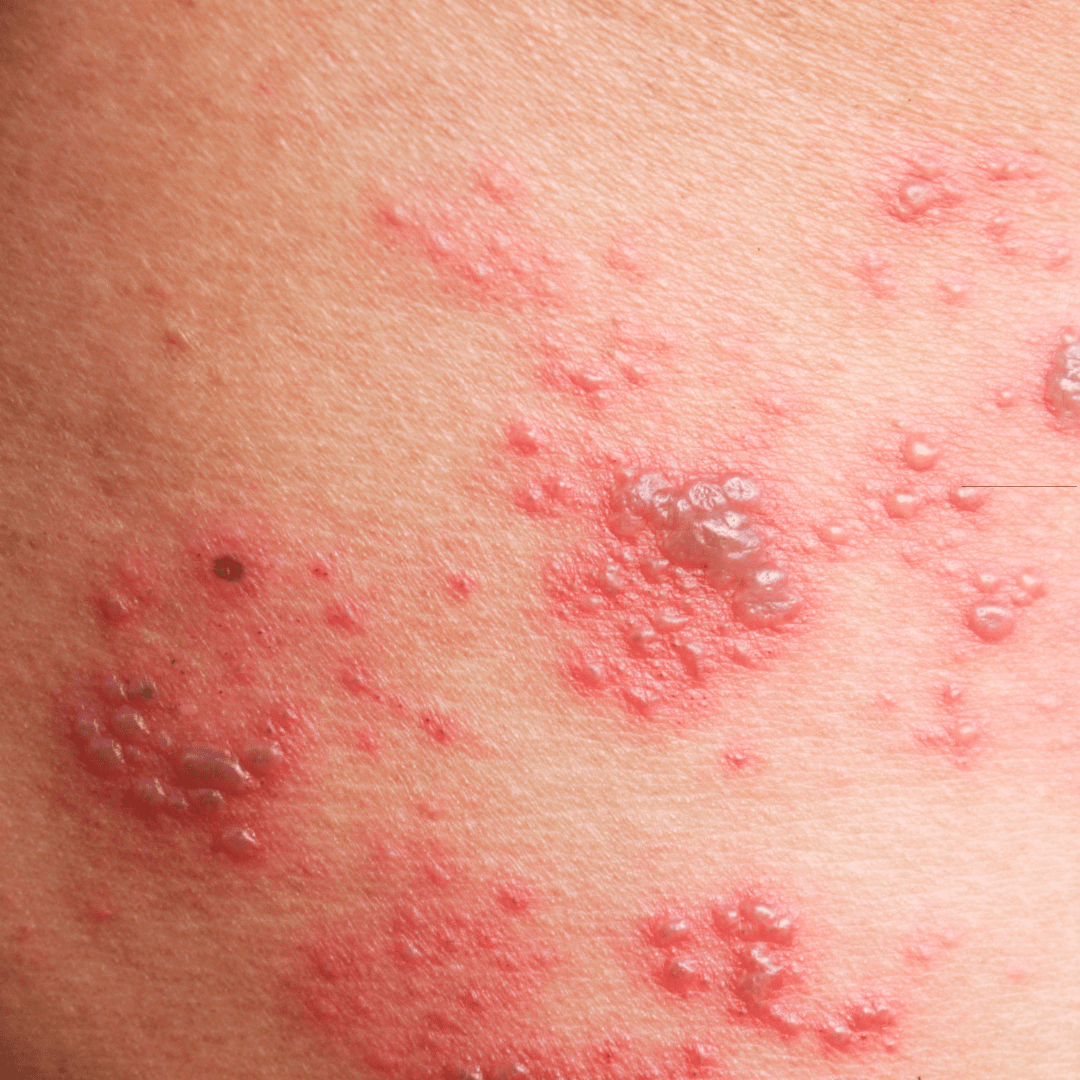
Fire ant bites usually appear as small, red bumps that quickly turn into raised, pus-filled blisters. They often appear in clusters since fire ants bite multiple times in the same area. These blisters can feel very itchy or tender and generally look more inflamed than a typical insect bite.

Fire Ant Bites

What are the symptoms or potential issues that could arise with fire ant bites?

Most people experience redness, swelling, and itching for several days. In some cases, allergic reactions can develop, including hives, dizziness, or difficulty breathing, which requires immediate medical attention. Scratching the blisters can also lead to infection, so keeping the area clean is important.

How do you treat fire ant bites, and when should you seek professional help?

Simple at-home care often helps. Wash the area gently with soap and water, apply a cool compress, and use hydrocortisone cream or an oral antihistamine to reduce itching and swelling. Avoid scratching, which can increase the risk of infection. Seek medical attention if redness spreads, purulent drainage develops, or if any systemic symptoms such as swelling of the lips or difficulty breathing occur.

Do you have any other advice for people who may be dealing with or trying to prevent these bites?

Prevention is key to avoiding fire ant bites. Wearing protective clothing, using insect repellent, and checking your skin after spending time outdoors can lower your risk. Most bites are uncomfortable but not dangerous and improve with simple care. If a bite looks unusual, worsens instead of healing, or comes with systemic symptoms, contact a healthcare professional. 


If you’re concerned you may be experiencing symptoms of fire ant bites, book an appointment today to receive expert care and relief from our providers!


Microneedling vs Chemical Peels | As Seen in Women’s Health

Microneedling and chemical peels have become go-to treatments for patients seeking healthier, more radiant skin without the downtime of invasive procedures. Board-certified dermatologist Dr. Mona Foad explains that these treatments work by stimulating collagen production and encouraging skin cell renewal, helping improve texture, tone, and overall glow. Be sure to check out the full article in Women’s Health!

Microneedling vs Chemical PeelsWhy are treatments like microneedling and chemical peels so popular right now?

These treatments are popular because they deliver visible results with minimal downtime compared to more invasive procedures. Both microneedling and chemical peels improve skin texture, tone, and overall radiance by stimulating cell renewal and collagen production. Patients love that they can target multiple concerns such as fine lines, acne scars, pigmentation, and dullness in a natural way that helps the skin rejuvenate itself. In an age where people want healthy, glowing skin without drastic interventions, these treatments strike the perfect balance between effectiveness and recovery.

What is microneedling and how does it work? What are its main benefits?

Microneedling, also known as collagen induction therapy, uses fine sterile needles to create controlled micro-injuries in the skin. This process triggers the body’s natural healing response, which stimulates new collagen and elastin production. The result is smoother, firmer, and more youthful-looking skin. Microneedling can improve fine lines, acne scars, enlarged pores, and overall texture without significantly disrupting the surface of the skin. It is highly customizable and can be adjusted for different skin types and concerns, making it a versatile and effective treatment.

What is a chemical peel, and how does it work? What are its main benefits?

A chemical peel uses a carefully selected acid solution such as glycolic, lactic, salicylic or trichloroacetic acid to exfoliate the outer layers of the skin. The depth of the peel can vary from light to deep depending on the product used, the concentration and desired result. By removing dull or damaged skin cells, chemical peels reveal smoother, brighter, and more even-toned skin beneath. They can help fade sun damage, help acne and acne scarring, and help with unwanted superficial pigmentation while promoting healthy cell turnover. With consistent use, chemical peels can dramatically improve skin clarity and texture over time.

What are the similarities and differences between microneedling and chemical peels?

Both treatments rejuvenate the skin by encouraging new cell growth and collagen production. They target similar concerns such as fine lines, uneven tone, acne scars, and dullness. The main difference lies in their approach and how they work. Microneedling stimulates the skin from within by triggering a healing response, while chemical peels resurface the skin from the outside by removing the top layer of skin cells. Microneedling is often better for deeper textural issues, while chemical peels are ideal for surface brightness and tone. Chemical peels are better for treating brown spots and can be better at treating acne and superficial acne scarring, whereas microneedling would be better for slightly deeper scars and for overall skin rejuvenation and collagen stimulation. 

What add-ons often accompany microneedling, and what benefits do these offer?

Microneedling can be enhanced with add-ons like platelet-rich plasma, exosome therapy, or targeted serums that contain growth factors or peptides. These add-ons take advantage of the microchannels created during treatment, allowing active ingredients to penetrate more deeply. Platelet-rich plasma uses the body’s own growth factors to accelerate healing and boost collagen, while exosomes and peptides can enhance cell repair and radiance. These combinations maximize results and often shorten recovery time, leaving the skin smoother and more luminous. But it is important to only add approved products and not just add anything. Certain products can cause irritation or can cause foreign body reactions under the skin.

What add-ons often accompany a chemical peel, and what benefits do these offer?

Popular add-ons for chemical peels include brightening boosters, hydrating serums, and soothing post-peel recovery masks. Some practitioners also incorporate LED light therapy to calm the skin and speed up healing. These additions help replenish moisture, reduce irritation, and enhance the peel’s brightening effects. They also make the overall experience more comfortable and help patients maintain hydration and glow as the skin renews.

Why does skin type and skin tone matter when deciding between a peel and microneedling?

Skin type and tone are key factors when deciding which treatment is most appropriate. For patients with sensitive or darker skin tones, deeper chemical peels can sometimes cause irritation or post-inflammatory hyperpigmentation.For darker skin types, consider a salicylic acid peel which may be safer than a glycolic or a TCA peels and always let patients know to avoid sun exposure and retinoid use before and right after a peel.  In those cases, microneedling is often a safer choice because it does not rely on acids to achieve results. On the other hand, lighter skin types with sun damage or uneven tone may benefit more from a series of light chemical peels. The best treatment depends on the individual’s goals, skin history, and level of sensitivity.

Since both treatments increase collagen, how do they work, and how much growth can patients usually see?

Microneedling increases collagen by triggering the body’s natural wound-healing process. As the skin repairs itself, fibroblast activity increases, which leads to new collagen and elastin production. Chemical peels stimulate collagen by removing damaged surface layers and prompting the skin to regenerate. The amount of collagen production varies for each person, but studies suggest microneedling can increase collagen by up to several hundred percent over a series of treatments. Chemical peels typically provide gradual collagen stimulation that builds with consistent use. Both treatments strengthen and rejuvenate the skin over time, although microneedling will stimulate more collagen growth.

Is microneedling or a chemical peel better for skin cell renewal? Why?

Both treatments encourage cell turnover but in different ways. Chemical peels directly accelerate exfoliation by removing dead surface cells, leading to faster visible renewal. Microneedling works deeper within the skin, stimulating new cell growth over several weeks as collagen remodels. If the goal is instant brightness and smoother texture, a chemical peel provides quicker results. For more structural and long-term renewal, microneedling offers deeper benefits. Many patients use both treatments in rotation for comprehensive rejuvenation.

Is microneedling or a chemical peel better for improved texture and tone? Why?

Microneedling is excellent for improving texture because it remodels the skin from within, helping to smooth scarring, fine lines, and enlarged pores. Chemical peels are ideal for improving tone, texture, pore size, brightness, and pigmentation on the surface. The best treatment depends on whether the main concern is texture or discoloration. Combining both in a customized treatment plan often provides the most balanced results for smoother, more even skin.

How does the pain of a chemical peel compare to microneedling?

Both treatments are well tolerated, though they feel different. Microneedling typically causes a mild prickling or pressure sensation such as a strong cat’s tongue. A numbing cream is applied beforehand to minimize discomfort. Chemical peels may create a temporary tingling or stinging sensation as the acid interacts with the skin, but this usually subsides quickly. Most patients find both treatments comfortable and manageable, and any mild discomfort is short-lived compared to the long-term improvement in skin quality.

What is the downtime and recovery of microneedling vs. a chemical peel?

Recovery time depends on the intensity of the treatment. After microneedling, patients usually experience mild redness and sensitivity for one to two days, similar to a light sunburn, but can have a couple more days of redness if the depth of the microneedles is increased. Makeup can typically be applied after 48 hours. With a chemical peel, downtime varies more widely. A light peel may cause minor flaking for a few days, while a deeper peel can require about a week of recovery with visible peeling. Both treatments benefit from diligent sun protection and gentle skincare afterward to maintain results and support healing.

How are the results of both treatments maintained?

Results from both treatments last longer when paired with a consistent skincare routine and sun protection. Using daily SPF, antioxidants, and gentle exfoliating or collagen-boosting products helps extend results. Most patients start with a series of treatments and then move to maintenance sessions every few months. Hydration, a balanced diet, and regular skincare all play important roles in preserving the glow and firmness that follow either treatment.

How do you help patients decide if a peel or microneedling is right for them?

I start by assessing each patient’s skin type, main concerns, and comfort level with downtime. For patients looking to refine brightness, tone, and superficial pigmentation, a chemical peel is often the best choice. For those focused on texture, acne scars, or fine lines, microneedling tends to deliver better results. Many patients benefit from a combination of both, used at different times for complementary effects. The right choice always depends on the individual’s goals, skin condition, and how their skin responds over time.

Treatment-Resistant Alopecia Areata | As Seen in Everyday Health

Navigating alopecia areata can be challenging on its own, but when the condition stops responding to standard therapies, it adds an entirely new layer of frustration and uncertainty. Board-certified dermatologist Dr. Alexandra Bowles breaks down what “treatment-resistant” really means, how patients can prepare for a productive appointment, and the steps that help ensure a clear, supportive path forward. Be sure to check out the full article in Everyday Health!

Finding Support For Treatment-Resistant Alopecia AreataHow would you define “treatment-resistant” alopecia areata?

When we describe alopecia areata as “treatment-resistant,” we’re talking about cases where the hair loss doesn’t respond to the first line evidence-based therapies. That might mean a patient has tried topical or injected corticosteroids without meaningful regrowth, or even newer options like JAK inhibitors with limited results. JAK inhibitors, short for Janus kinase inhibitors, are targeted medications that help calm the overactive immune response responsible for attacking the hair follicles. When those treatments don’t work, it doesn’t mean there’s no hope. It just means the condition is a bit more stubborn and may require a different approach. Every case of alopecia areata is unique, and so it’s important to look at the whole picture to create a plan that gives each patient the best possible chance for regrowth and confidence again.

What should someone do to prepare for an appointment with a dermatologist to discuss next steps? Would bringing a list of meds tried previously and results be helpful?

Yes. Bringing a list of treatments or medications you’ve tried, including how long you used them and what kind of response you noticed, is incredibly helpful. It gives your dermatologist a clear picture of your treatment history and helps avoid repeating things that didn’t work or caused side effects.

How can patients go about voicing their concerns with a dermatologist?

It’s important to let your dermatologist know what matters most to you. You might say something like, “My biggest concern is the patch on my scalp that’s getting larger,” or “I’m really struggling with how unpredictable the shedding has been.” Being specific helps us prioritize what to focus on during the visit, whether that’s regrowth, scalp comfort, or emotional support.

Should patients explain how alopecia areata affects their daily life—and can this information help with insurance approval?

Sharing how alopecia areata affects your confidence, social life, or daily activities gives your dermatologist a better sense of the whole picture. It is never just about your hair. It’s about how the condition affects your quality of life. This information can also be helpful for insurance documentation if we need to justify coverage for advanced therapies like JAK inhibitors. For example, someone who has lost their eyelashes may have a smaller amount of hair loss involved, but that can be detrimental to your eye health. 

Is it appropriate for patients to ask about treatments they’ve heard or read about? Do many of your patients do this?

Absolutely. Most patients have already done some research before coming in, and I welcome those questions. It opens up a great dialogue about what’s new, what’s evidence-based, and which treatments are the best fit for your particular situation.

When is it appropriate for patients to ask about participating in a clinical trial?

It’s always appropriate to ask, especially if your alopecia areata has been resistant to standard therapies. Clinical trials can offer access to promising new treatments and contribute to the growing understanding of this condition. I love it when patients take an active role in exploring every possible option.

Appointments like this can be emotional—how can patients make sure they remember the key discussion points and next steps?

I know these appointments can be emotional because alopecia areata affects so much more than just the hair. I always encourage patients to take notes or bring someone they trust to help remember key points. It’s also completely okay to pause and ask for clarification; I want my patients to leave feeling informed and supported, not overwhelmed. Summarizing what you’ve heard before you leave, like confirming the next steps or follow-up plan, can also help make sure we’re on the same page.

How can patients be sure they understand the next steps in their treatment plan?

It’s so important to leave your appointment knowing precisely what the next steps are. Before you go, take a moment to review the plan out loud with your dermatologist, something like, “So we’re starting this medication and following up in six weeks, right?” That simple recap helps confirm everyone’s on the same page. If anything feels unclear, don’t hesitate to ask for written instructions or a summary through the patient portal. I also recommend noting when to expect follow-up results or labs so you’re not left wondering. Clear communication makes the process smoother and helps you feel confident about what comes next in your treatment journey.

What other advice can you give for people dealing with treatment-resistance alopecia areata?

The most important thing I’d want patients to know is that they’re not alone. Treatment-resistant alopecia areata can be incredibly frustrating, but there are always options and new therapies emerging. Dermatology is advancing quickly in this area, and what didn’t work in the past doesn’t mean there isn’t something that will help in the future. Open, honest communication with your dermatologist is key; the more we understand your experience, your goals, and how this condition impacts your life, the better we can tailor a plan that feels right for you. Don’t be afraid to ask questions, explore new possibilities, or share how you’re feeling along the way. Managing alopecia areata is truly a partnership, and we’re here to help you every step of the way.

Skincare for Kids: Fun Self-Care or An Unnecessary Trend? | As Seen in Harper’s Bazaar

Skincare isn’t just for adults anymore—kids are becoming curious about face masks, serums, and playful routines designed just for them. Shay Mitchell’s new kids’ skincare brand, Rini, has stirred controversy for marketing sheet masks to children as young as three, with critics warning it could introduce unrealistic beauty standards too early. So, is this simply harmless fun, or are we complicating childhood with adult-focused beauty trends? Board-certified dermatologist Dr. Mona Foad breaks down the controversy and explains how parents can navigate this trend thoughtfully. Check out the full article in Harper’s Bazaar!

Skincare for Kids: Fun Self-Care or Unnecessary Trend?Do you think the criticisms here are deserved? Is it so preposterous that kids would want gentle sheet masks with fun designs?

I can absolutely understand why this topic may spark conversation. The idea of very young children using sheet masks can feel unnecessary or overly commercialized. At the same time, it’s not unreasonable that kids might want gentle, playful products that make skincare feel fun. We’re seeing a cultural shift where skincare is viewed less as beauty and more as self-care. For some families, these routines can even become bonding moments. The key question isn’t whether kids should or shouldn’t use them, but how it’s done. When formulas are genuinely gentle, the messaging focuses on care rather than appearance, and the activity is supervised, it can be a harmless way to introduce good skin habits. Some of the criticism is justified when products are marketed with adult beauty claims, but when executed thoughtfully, there’s room for kids to enjoy skincare safely and playfully.

Can kids use gentle sheet masks designed for adults?

I’m cautious about children using sheet masks made for adults because the formulations are often stronger and contain active ingredients such as acids, retinoids, or high concentrations of botanical extracts. These can be too harsh for a child’s thinner, more sensitive skin. However, when masks are specifically created for young users, the approach can be different. The most important thing is to choose formulas that are hypoallergenic, fragrance-free, and designed for delicate skin. In those cases, and with parental supervision, a gentle mask can be a fun, occasional part of self-care. But if it’s an adult mask, it’s best to read the ingredient list carefully and err on the side of caution.

Should children be using sheet masks? Are there any risks?

From a dermatologic standpoint, children don’t need sheet masks in the same way adults do. Their skin naturally stays hydrated and hasn’t yet developed the environmental or aging concerns these products are meant to treat. The main risks come from added fragrance, harsh preservatives, or potent actives that can irritate or inflame the skin. If a child is curious about trying a sheet mask, choose one with gentle, fragrance-free ingredients and use it sparingly. Parents should always supervise and ensure that it’s not part of a daily routine. When used thoughtfully, the risk is low, but unnecessary exposure to stronger ingredients can do more harm than good. On the flip side, some children may have dry skin or are more eczema prone. In these case a sheet mask specifically formulated with  these conditions in mind can help their skin become more hydrated and less inflamed. 

Where do you stand on this continuing debate of skincare designed for kids?

I think we’re in an interesting transitional moment. There’s growing curiosity among kids about skincare, which isn’t inherently negative—it can help build healthy habits early. However, the concern is when children start adopting adult routines or products meant for mature skin, which can lead to both irritation and unrealistic beauty expectations. I support the idea of gentle, age-appropriate products that focus on basic care like cleansing, moisturizing, and sun protection, rather than correction or anti-aging. If the messaging stays focused on education, fun, and self-care, skincare can be positive for kids. But it’s essential to keep it simple, safe, and free from the pressures of beauty culture.

The Ultimate Nighttime Skincare Routine | As Seen in Women’s Health

You may have heard the term “beauty sleep,” but there’s real science behind it. While you rest, your skin goes into recovery mode—repairing daytime damage, boosting collagen, and renewing itself overnight. That’s why your evening routine is one of the most important steps in maintaining healthy, radiant skin. Be sure to check out the article in Women’s Health where board-certified dermatologist Dr. Mona Foad shares her insights on how to build the ideal nighttime skincare routine and make the most of your skin’s natural renewal process.


Why is nighttime so important for skin repair?

At night, your skin shifts from protection to repair. During the day, it’s busy defending against UV rays, pollution, and other environmental stressors. Once you fall asleep, your circadian rhythm signals your skin to start healing. Cell turnover increases, collagen production rises, and blood flow improves—all of which help your skin recover and restore its natural glow. The skin barrier also becomes more permeable while you sleep. That means it can lose moisture, but it also absorbs skincare ingredients more effectively. This is the perfect time to apply treatments like retinol, peptides, or hydrating serums that support repair and renewal. Even hormones like melatonin and growth hormone play a role by helping neutralize free radicals and supporting tissue regeneration.Retinol, Peptide, Serum

What should my first step be before bed?

I always tell my patients to start with a clean slate. Cleansing is essential because it removes the impurities, oil, and makeup that build up during the day. I recommend double cleansing—first with an oil-based cleanser to break down makeup and sunscreen, then following with a gentle, pH-balanced face wash to remove any residue. Double cleansing helps eliminate pollution particles that can lead to free radical damage and premature aging. It also ensures that your skin is clear and ready to absorb the active ingredients that come next in your routine.

How often should I exfoliate at night?

Exfoliation helps reveal fresh, smooth skin by clearing away dead surface cells. I typically recommend exfoliating two to three times a week, depending on your skin type. Using a gentle chemical exfoliant—such as glycolic, lactic, or salicylic acid—can improve dullness, uneven texture, and clogged pores. Because your skin is already in repair mode at night, exfoliating allows your serums and moisturizers to penetrate more effectively. Just avoid exfoliating on the same night you use retinol or other strong actives to prevent irritation. The key is consistency, not overdoing it.

What treatments or serums are best to use at night?

Nighttime is when your skin can truly benefit from targeted treatments. Since your barrier is more permeable, it’s the ideal time to apply products that address specific concerns like fine lines, pigmentation, or dehydration.

Some of my favorite ingredients to include are:

  • Retinol, which increases cell turnover and boosts collagen

  • Peptides and growth factors, which help improve elasticity and firmness

  • Niacinamide, which calms inflammation and supports the skin barrier

  • Hyaluronic acid, which draws in and locks moisture

  • Vitamin C, which brightens and helps protect against oxidative damage

Serums with these ingredients work synergistically overnight to support the skin’s natural renewal cycle and help you wake up with smoother, more balanced skin.

How should I moisturize before bed?

Nighttime moisturization is one of the most important steps in your routine. As you sleep, your skin naturally loses water through a process called transepidermal water loss, so applying a nourishing moisturizer helps lock in hydration and supports barrier repair. I recommend using a richer cream at night with ingredients like ceramides, squalane, or hyaluronic acid. If your skin feels extra dry or dull, you can layer on a facial oil or even an overnight mask a couple of times a week to boost hydration. Think of it as giving your skin a nightly care package—it will thank you in the morning.

What’s the overall goal of a nighttime skincare routine?

Your nighttime routine is more than a beauty ritual—it’s an investment in your skin’s long-term health. My philosophy is simple: cleanse, treat, and deeply hydrate. With consistent care, you’ll wake up with skin that looks refreshed, balanced, and radiant. At Mona Dermatology, my team and I help patients customize routines that fit their needs, lifestyle, and skin goals. By supporting your skin’s natural nighttime repair process, you can achieve healthier, more resilient skin over time—one restful night at a time. If you’re ready to elevate your skincare routine, schedule an appointment with us today and let our experts help you achieve glowing, healthy skin.


The Best Korean Cleansers | As Seen in Vogue

Korean cleansers have become skincare staples thanks to their innovative formulas, gentle ingredients, and emphasis on maintaining the skin’s natural barrier. Board-certified dermatologist Dr. Alexandra Bowles shared her favorite Korean cleansers with Vogue, highlighting products that balance effective cleansing with hydration, soothing botanicals, and barrier support. Below, she breaks down her top recommendations and what makes each one stand out.

Which Korean cleansers do you recommend?

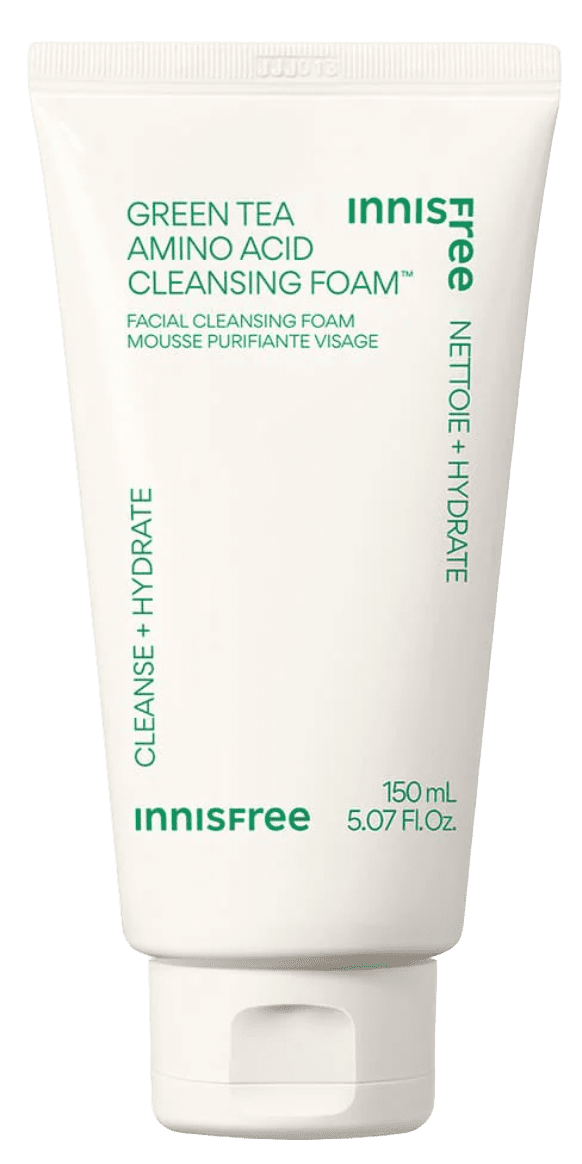
Innisfree Sulfate-Free Green Tea Amino Acid Cleansing Foam

This cleanser contains green tea water, which helps with skin hydration, while its amino acid complexes cleanse the skin gently. It’s a great option for those who want a refreshing clean without feeling stripped or tight afterward. The green tea extract is rich in antioxidants that soothe inflammation and protect the skin from environmental stressors.

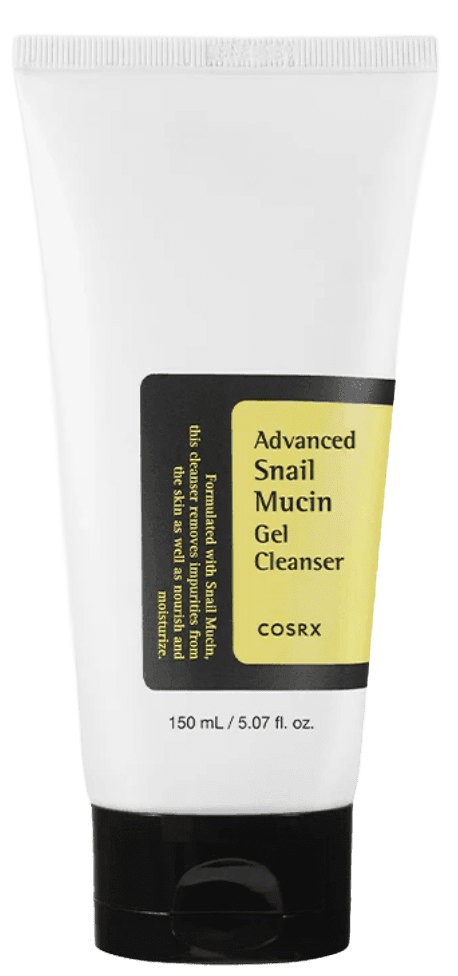
Innisfree Green Tea Amino Acid Cleansing FoamCosRx Advanced Snail Mucin Gel Cleanser

I like to recommend this one for daily use because it balances effective cleansing with hydration and barrier support. The snail mucin helps to calm, smooth, and strengthen the skin, making it ideal for all skin types — especially if you’re prone to dryness or irritation. It also includes allantoin and hyaluronic acid, which help lock in moisture and promote healing.

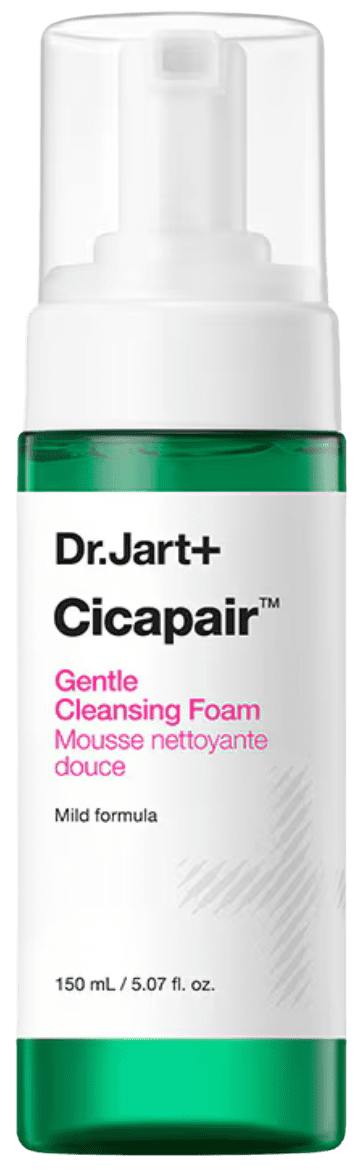
CosRx Advanced Snail Mucin Gel CleanserDr. Jart+ Cicapair Foaming Face Wash Cleanser

This cleanser helps promote hydration without drying the skin out. Formulated with centella asiatica (or “cica”), it’s particularly soothing for those with sensitive or redness-prone skin. The addition of herbs like mugwort and houttuynia cordata helps to calm inflammation and strengthen the skin’s protective barrier.

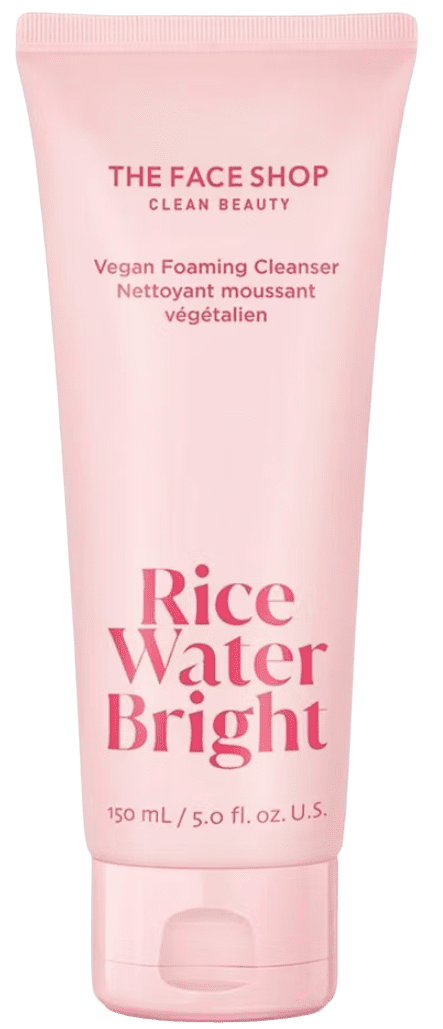
Dr. Jart+ Cicapair Foaming Face Wash CleanserThe Face Shop Rice Foaming Facial Cleanser

Rice water is rich in vitamins, amino acids, and other nutrients that contribute to brighter, cleaner skin. I often recommend this for patients looking to boost radiance and achieve a smoother, more even complexion. The rice bran extract in the formula gently exfoliates while adding nourishment, giving skin a healthy glow.

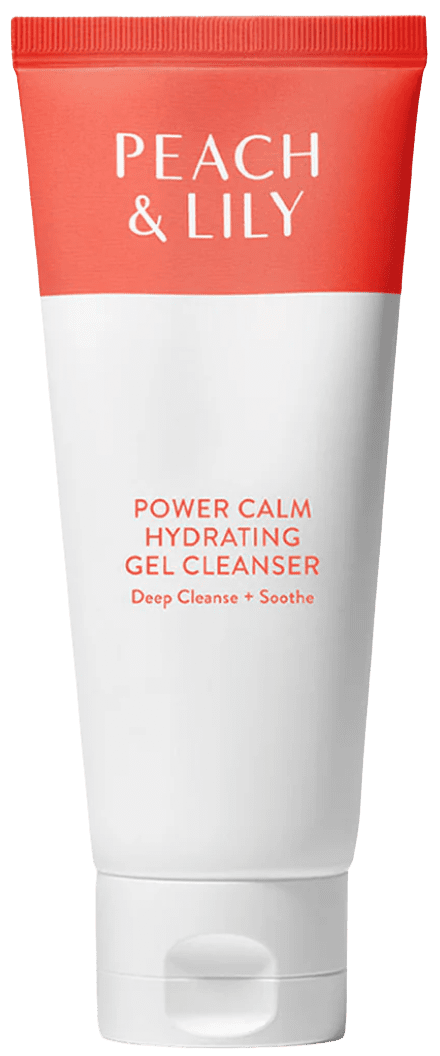
The Face Shop Rice Foaming Facial CleanserPeach & Lily Power Calm Hydrating Gel Cleanser

This gel cleanser can be particularly beneficial for sensitive or dehydrated skin. It uses calming ingredients that help support the skin barrier while providing a thorough, non-stripping cleanse. Key ingredients like chamomile and camellia extract work to soothe irritation, while hyaluronic acid provides lasting hydration.

Peach & Lily Power Gel CleanserErborian Centella Cleansing Gel

I like this lightweight gel because it removes the last traces of dirt and makeup while keeping the skin smooth and hydrated. It’s a great choice for anyone who prefers a gentle but effective second cleanse. Its formula includes licorice root and centella asiatica extracts, which brighten and calm the skin at the same time.

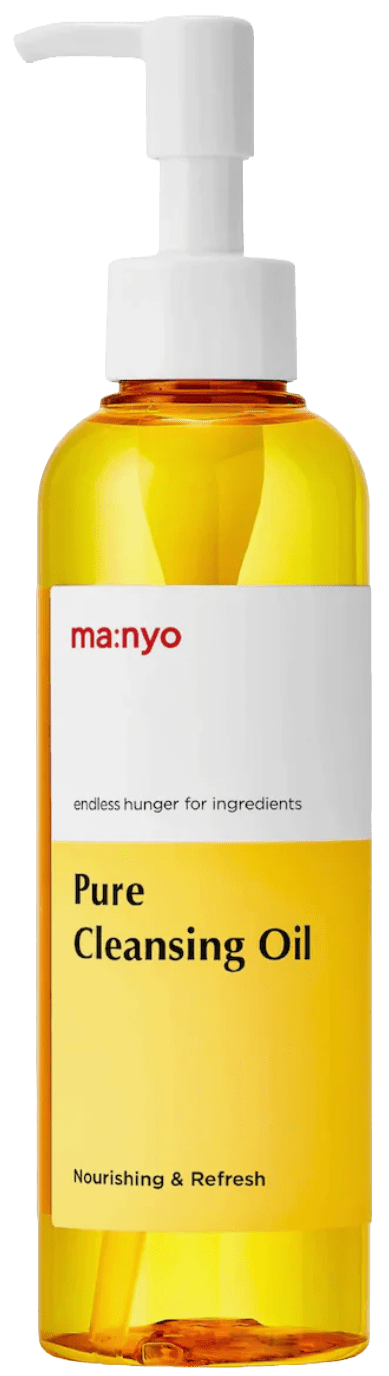
Erborian Centella Cleansing GelMa:nyo Pure Cleansing Oil

This nourishing oil cleanser uses plant oils that leave the skin soft while maintaining barrier health. I recommend it for anyone who wears heavier makeup or sunscreen — it’s a perfect first step in a double-cleansing routine. It contains a blend of olive, jojoba, and argan oils that dissolve impurities while adding moisture and essential fatty acids back into the skin.

Ma:nyo Pure Cleansing OilEtude SoonJung pH 6.5 Whip Facial Cleanser

It cleans gently without irritation, making it ideal for sensitive or reactive skin. I often suggest it to patients who want a mild, calming cleanser that protects the skin’s natural barrier. With panthenol to restore hydration and madecassoside to calm redness, it’s one of my go-to choices for anyone with compromised skin.

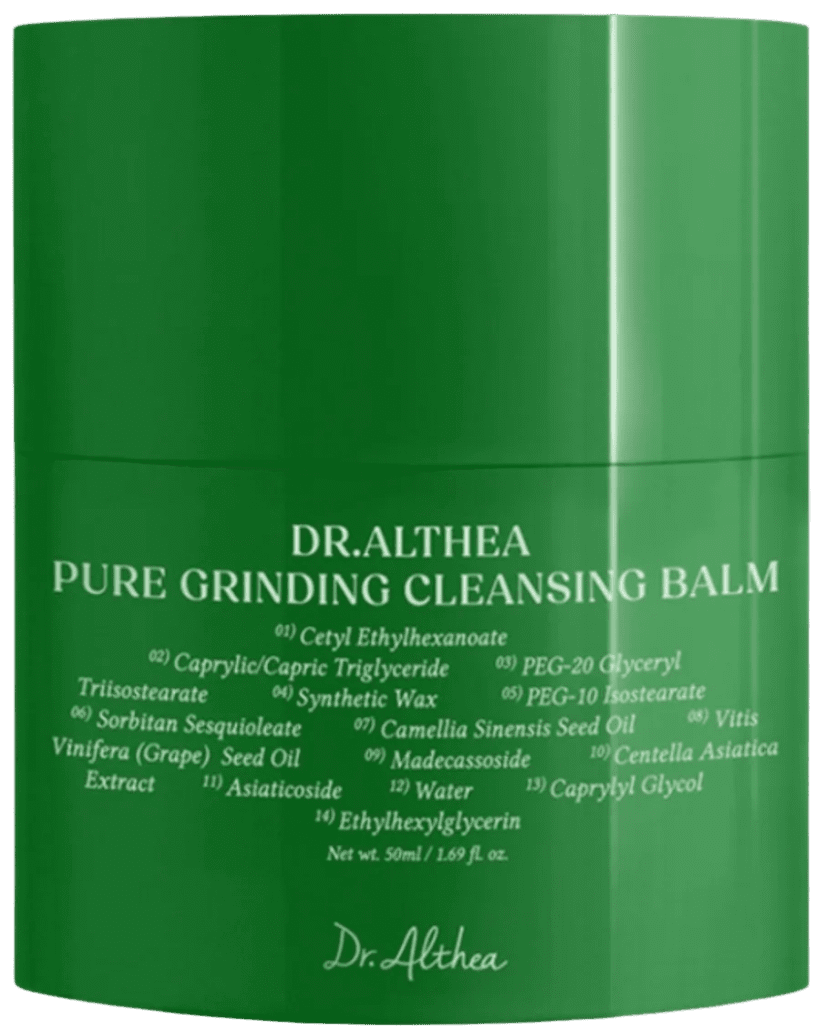
Etude SoonJung pH 6.5 Whip Facial CleanserDr. Althea Pure Grinding Cleansing Balm

I like this cleansing balm for patients who need deep cleansing without dryness or irritation. It melts away buildup while leaving skin soft, hydrated, and refreshed. The balm is infused with ceramides and soothing botanical oils that replenish the skin barrier while thoroughly removing impurities.

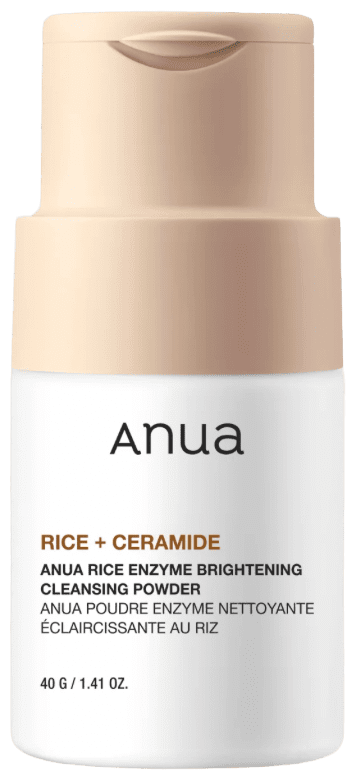
Dr. Althea Pure Grinding Cleansing BalmAnua Rice Enzyme Brightening Cleansing Powder

This powder cleanser is great for adding radiance and smoothness without irritation. You can adjust the intensity by changing how much water you add, which makes it suitable for both normal and sensitive skin types. The rice enzymes provide gentle exfoliation, while niacinamide helps brighten dull areas and improve overall tone.

Anua Rice Enzyme Brightening Cleansing Powder

Identifying and Treating Tick Bites | As Seen in USA Today

Tick bites are common during outdoor seasons and can sometimes lead to infections if not handled properly. Board-certified dermatologist Dr. Alexandra Bowles shares her expert advice on what to look for, how to remove ticks safely, and when to seek care. Be sure to check out the full article in USA Today!

What do tick bites look like?

Tick bites often appear as small red bumps, sometimes with a darker center where the tick was attached. They can look like mosquito bites but are usually firmer. Some bites may develop a larger red area or a rash, including the bull’s-eye pattern associated with Lyme disease, though not every tick bite causes this rash.

Identifying and Treating Tick BitesWhat are the symptoms or potential issues that could arise with tick bites?

Tick bites can cause mild redness, swelling, or itching. The bigger concern is that ticks can transmit infections such as Lyme disease or Rocky Mountain spotted fever. Warning signs include an expanding rash, fever, fatigue, or body aches in the days or weeks following a bite.

What should someone do if they think they have a tick bite?

If you find a tick attached to your skin, remove it as soon as possible using fine-tipped tweezers, pulling straight up without twisting. You may also seek care with a dermatologist for the removal if possible. Clean the area with soap and water afterward. Keep the tick if possible, as it may help with identification. Monitor for symptoms over the next several weeks, and seek medical attention if a rash develops, fever occurs, or flu-like symptoms appear.

Do you have any other advice for people who may be dealing with or trying to prevent these bites?

Prevention is key when it comes to avoiding tick bites. Wearing protective clothing, using insect repellent, and checking your skin after spending time outdoors can lower your risk. Most bites are uncomfortable but not dangerous and improve with simple care. If a bite looks unusual, worsens instead of healing, or comes with systemic symptoms, contact a healthcare professional. 

Derm-Approved Tips for Safer Gel Manicures | As Seen in Glamour

Gel manicures have become a go-to for anyone who loves long-lasting, glossy nails that don’t chip for weeks — but are they as harmless as they seem? While their durability and shine are hard to beat, regular gel manicures can come with some hidden downsides if you’re not careful. Listen to board-certified dermatologist Dr. Mona Foad break down how gel manicures affect your nails and how to keep them healthy with proper care. Be sure to check out the full article in Glamour!

Do you get gel manicures? Why or why not?

I used to get gel manicures when they first came out, but I often felt that the gel removal process was weakening my nails. I ended up switching to SNS powder years ago and have been getting that ever since. It’s understandable why so many people love them- they offer durability, a flawless shine, and the ability to go chip-free for weeks at a time. For people who travel often or have busy schedules, the longevity of the gel can be a game-changer. I’m not against them, but I do approach them with caution and always encourage patients to understand the risks and best practices before making them a part of their routine.

What are the primary health risks or negative effects that you associate with gel manicures?

One of the biggest concerns I see with gel manicures is weakened nails. This is often caused by improper application or removal techniques, such as aggressive filing or peeling the polish off, which can strip away layers of the nail and lead to brittleness or even nail loss. There is also the issue of UV exposure, as the lamps used to cure gel polish emit concentrated UVA light linked to premature aging and DNA damage in the skin, even if the exposure is brief. As with any manicure,  infections can occur if tools aren’t sterilized properly or if cuticles are pushed back too aggressively, leaving the nail barrier vulnerable to bacteria or fungi.  Additionally, the longer exposure to acetone during the removal process can be very drying to both nails and the surrounding skin. These risks don’t mean you can’t enjoy gel manicures, but they do highlight the importance of moderation and safe practices.

What steps can you take to make gel manicures less harmful?

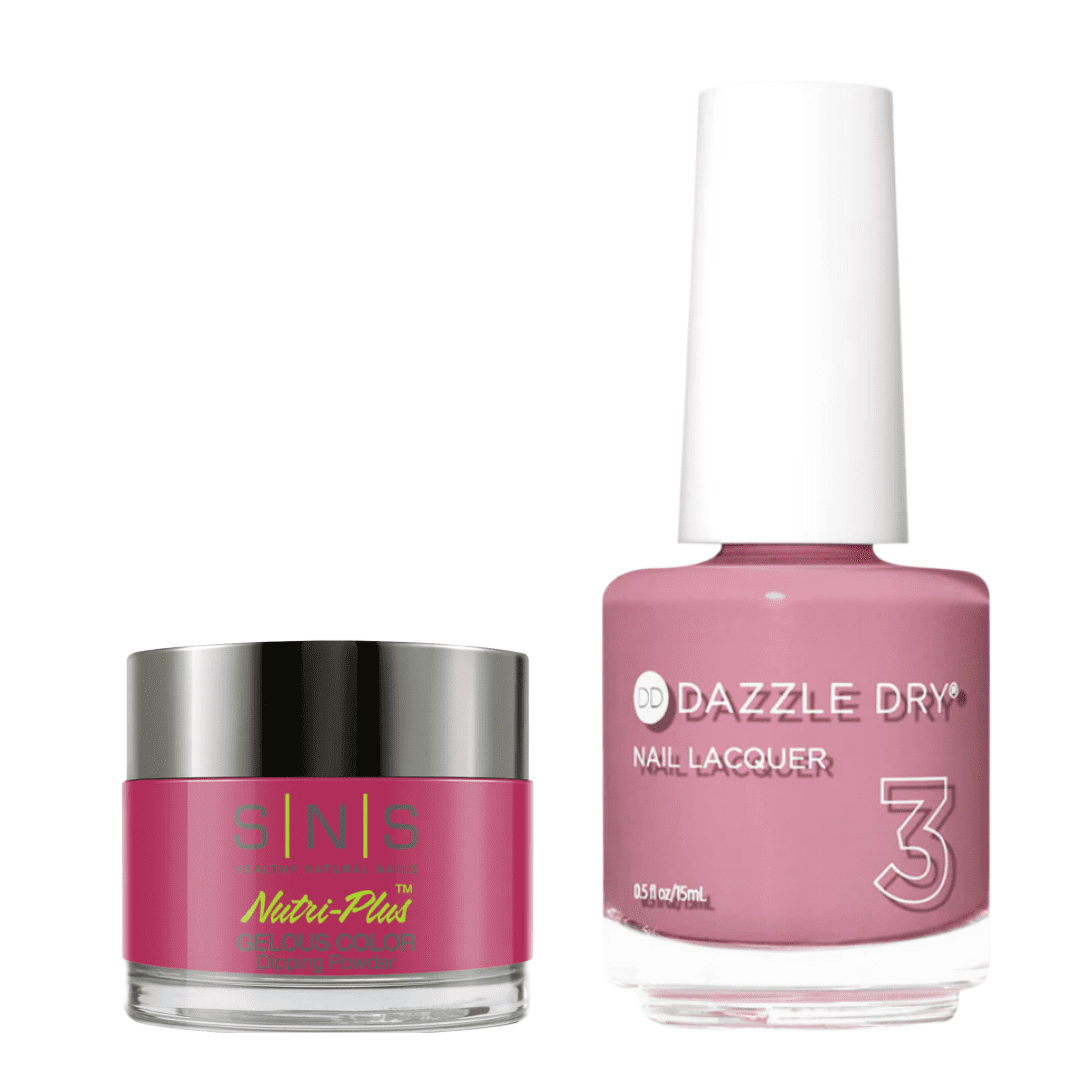
There are several ways to enjoy gel manicures more safely. Before your appointment, apply a broad-spectrum sunscreen or wear UV-protective, fingerless gloves to shield your hands from UVA exposure. During your manicure, make sure you’re working with a licensed technician who uses proper technique and sterilized tools. Never allow your cuticles to be cut or pushed back too aggressively. When it comes to removal, avoid peeling or prying off gel polish. Instead, soak only the fingertips in acetone and follow with a nourishing oil or cream for nails and cuticles. Some salons use acetone-soaked cotton with foil wraps on the nail tips rather than submerging the entire hand. Between manicures, give your nails a break by taking “polish holidays” for a week or two. You can also use that time to rehydrate nails regularly with petroleum jelly or cuticle oil. As the industry evolves, you can also try other manicure methods, either between gel manicures, or as a safer alternative. Ask your manicurist if they offer other methods, such as the SNS Powder or Dazzle Dry manicures. Gel Manicure Alternatives

Do typical SPF products protect against the UV light used to cure gel?

Not reliably. Standard sunscreens are designed and tested for protection against sunlight, which is much less intense than the concentrated UVA light from gel manicure lamps. Even broad-spectrum formulas may not block enough UVA to make a meaningful difference during curing. That’s why the best protection is physical shielding. Fingerless UV-protective gloves are the gold standard, since they can block over 99% of the rays while still leaving your nails exposed for treatment. If gloves aren’t available, a broad-spectrum SPF 30+ can help if applied generously about 20 minutes before the appointment and reapplied before each lamp exposure.

How do you feel about the UK gel manicure ban?

I think the UK’s move reflects increasing concern about long-term risks that come with repeated UV exposure and nail damage. While gel manicures themselves aren’t inherently dangerous, misuse, overuse, or lack of proper protection can cause real problems. Bans like this also highlight the need for innovation in safer nail technologies. In the meantime, my message to patients is not one of fear, but of balance. Be mindful of the risks, protect your nails, and try safer alternatives that still give you long-lasting results.

What would you tell patients who have concerns about using gel polish but don’t want to give it up?

I always tell patients: if you love gels, you don’t necessarily need to give them up, but they might not be the best long-term option. Use them occasionally and look at other manicure methods. You just need to be smart about how you do them. Choose a skilled, licensed technician, protect your hands from UV exposure, and commit to proper removal. Hydrate your nails and give them breaks between manicures to allow recovery. Think of gels as an occasional indulgence, not a constant routine. With the right care, you can enjoy the benefits while minimizing the risks.