Anna, CNP’s Guide to Pregnancy & Postpartum Skin | As Seen in Cincinnati Magazine

For many women, the journey to motherhood is equal parts empowering and humbling. Your body is doing something extraordinary, and with those incredible changes often come changes to your skin. Anna Luning, a Certified Nurse Practitioner with nearly a decade of experience in dermatology and aesthetic medicine, along with her own experience of being a mom of two, understands the science behind these changes. As seen in Cincinnati Magazine, Anna shares the best guide to looking and feeling your best no matter where you are in your journey of motherhood.
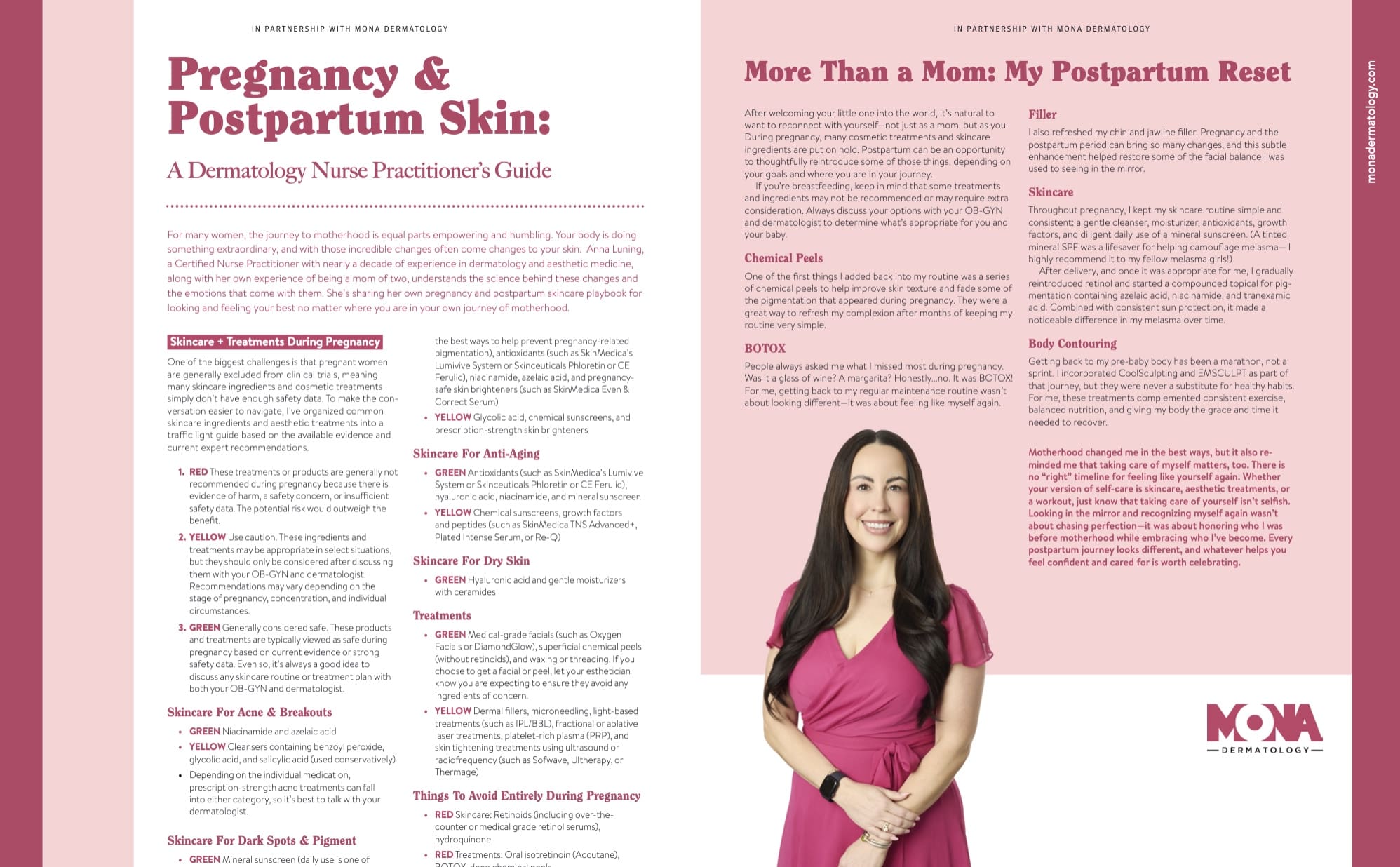
Anna Luning's Cincinnati Magazine cover on pregnancy and postpartum skin

Skincare and treatments during pregnancy

One of the biggest challenges is that pregnant women are generally excluded from clinical trials, meaning many skincare ingredients and cosmetic treatments simply don’t have enough safety data. To make the conversation easier to navigate, I’ve organized common skincare ingredients and aesthetic treatments into a traffic light guide based on the available evidence and current expert recommendations.

  • RED | These treatments or products are generally not recommended during pregnancy because there is evidence of harm, a safety concern, or insufficient safety data. The potential risk would outweigh the benefit.
  • YELLOW | Use caution. These ingredients and treatments may be appropriate in select situations, but they should only be considered after discussing them with your OB-GYN and dermatologist. Recommendations may vary depending on the stage of pregnancy, concentration, and individual circumstances.
  • GREEN | Generally considered safe. These products and treatments are typically viewed as safe during pregnancy based on current evidence or strong safety data. Even so, it’s always a good idea to discuss any skincare routine or treatment plan with both your OB-GYN and dermatologist.

Skincare for acne and breakouts

  • GREEN | Niacinamide and azelaic acid
  • YELLOW | Cleansers containing benzoyl peroxide, glycolic acid, and salicylic acid (used conservatively)

Depending on the individual medication, prescription-strength acne treatments can fall into either category, so it’s best to talk with your dermatologist.

Skincare for dark spots and pigment

Skincare for anti-aging

Skincare for dry skin

  • GREEN | Hyaluronic acid and gentle moisturizers with ceramides

Treatments

Things to avoid entirely during pregnancy

  • RED | Skincare: Retinoids (including over-the-counter or medical grade retinol serums), hydroquinone
  • RED | Treatments: Oral isotretinoin (Accutane), botox, deep chemical peels

More than a mom: My postpartum reset

After welcoming your little one into the world, it’s natural to want to reconnect with yourself—not just as a mom, but as you. During pregnancy, many cosmetic treatments and skincare ingredients are put on hold. Postpartum can be an opportunity to thoughtfully reintroduce some of those things, depending on your goals and where you are in your journey. If you’re breastfeeding, keep in mind that some treatments and ingredients may not be recommended or may require extra consideration. Always discuss your options with your OB-GYN and dermatologist to determine what’s appropriate for you and your baby.

Chemical peels

One of the first things I added back into my routine was a series of chemical peels to help improve skin texture and fade some of the pigmentation that appeared during pregnancy. They were a great way to refresh my complexion after months of keeping my routine very simple.

Botox

People always asked me what I missed most during pregnancy. Was it a glass of wine? A margarita? Honestly…no. It was botox! For me, getting back to my regular maintenance routine wasn’t about looking different–it was about feeling like myself again.

Filler

I also refreshed my chin and jawline filler. Pregnancy and the postpartum period can bring so many changes, and this subtle enhancement helped restore some of the facial balance I was used to seeing in the mirror.

Skincare

Throughout pregnancy, I kept my skincare routine simple and consistent: a gentle cleanser, moisturizer, antioxidants, growth factors, and diligent daily use of a mineral sunscreen. (A tinted mineral SPF  was a lifesaver for helping camouflage melasma—I highly recommend it to my fellow melasma girls!) 

After delivery, and once it was appropriate for me, I gradually reintroduced retinol and started a compounded topical for pigmentation containing azelaic acid, niacinamide, and tranexamic acid. Combined with consistent sun protection, it made a noticeable difference in my melasma over time.

Body Contouring

Getting back to my pre-baby body has been a marathon, not a sprint. I incorporated CoolSculpting and Emsculpt as part of that journey, but they were never a substitute for healthy habits. For me, these treatments complemented consistent exercise, balanced nutrition, and giving my body the grace and time it needed to recover.

Motherhood changed me in the best ways, but it also reminded me that taking care of myself matters, too. There is no “right” timeline for feeling like yourself again. Whether your version of self-care is skincare, aesthetic treatments, or a workout, just know that taking care of yourself isn’t selfish. Looking in the mirror and recognizing myself again wasn’t about chasing perfection—it was about honoring who I was before motherhood while embracing who I’ve become. Every postpartum journey looks different, and whatever helps you feel confident and cared for is worth celebrating.
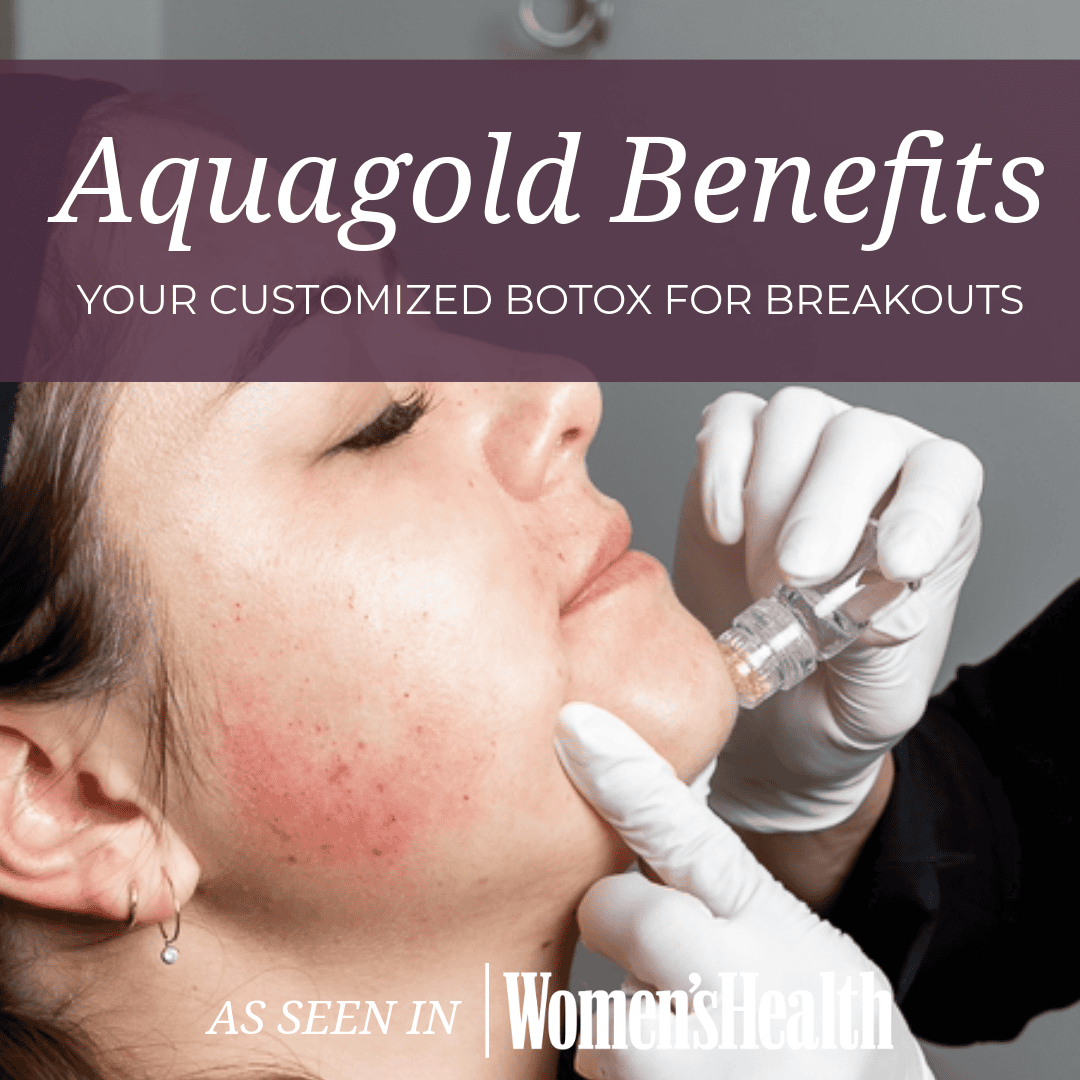


Aquagold Benefits, Your Customized Botox For Breakouts | Seen in Women’s Health

Few things damage confidence quite like acne does. But the opposite holds just as true: clear, healthy skin can give your confidence a real boost. The AquaGold facial treatment is a customizable and painless microchannel injection, that can deliver the neurotoxin in botox directly where it’s needed. Learn in depth from Dr. Bowles, as seen in Women’s Health, how AquaGold benefits in keeping your skin clear with its customized botox blend.

Aquagold Benefits, Your customized botox for breakouts

What is the AquaGold facial treatment?

AquaGold is a microinfusion treatment that uses a device with extremely fine, gold-plated needles to create tiny channels in the superficial layers of the skin. During this process, it’s simultaneously delivering customized ingredients directly where they’re needed. Unlike traditional microneedling, which focuses on stimulating collagen through controlled injury, AquaGold is designed to infuse targeted treatments into the skin with minimal downtime. In addition to specific ingredient benefits, patients often notice improved skin texture, hydration, and overall radiance.

What ingredients can be used outside of botox?

One of the biggest advantages of AquaGold is that the treatment can be customized. In addition to diluted neurotoxins like Botox, Dysport, Xeomin, or Daxxify, providers may incorporate hyaluronic acid for hydration, vitamins, antioxidants, peptides, platelet-rich plasma (PRP), and other physician-selected ingredients depending on the patient’s concerns. For acne-prone skin, neurotoxins are often the star ingredient because of their ability to decrease oil production. Some providers also incorporate brightening agents or growth factors to address post-inflammatory pigmentation and improve overall skin quality.

Can these ingredients be mixed together?

Many ingredients can safely be combined into a customized treatment, but compatibility depends on the products being used and the patient’s skin concerns. There isn’t a one-size-fits-all formula. The best cocktail is individualized after evaluating the patient’s skin, medical history, and treatment goals.

Was this treatment originally designed for breakout prevention?

AquaGold benefits were not originally designed to act as acne therapy, but breakout prevention is a secondary benefit of this treatment. It’s best viewed as a skin-quality treatment that happens to improve oil production in appropriately selected patients. I also emphasize that acne is multifactorial. Hormones, genetics, inflammation, bacteria, and skincare habits all play a role, so while microinfused neurotoxin can be an excellent adjunct for oily skin, it shouldn’t replace a comprehensive acne treatment plan when one is needed.

Understand how a neurotoxin like botox can improve acne:

How does the neurotoxin help lessen breakouts?

One of the major drivers of acne is excess sebum production. Sebaceous glands are influenced by cholinergic signaling, and neurotoxins block the release of acetylcholine, which appears to decrease gland activity. Less oil means pores are less likely to become clogged, creating an environment that’s less favorable for acne formation. Patients who struggle with oily skin often notice they become less shiny, and many experience fewer inflammatory breakouts as a result.

What does the neurotoxin deliver during microinfusion?

When a neurotoxin is delivered superficially through microinfusion, we’re not trying to relax deeper facial muscles the way we do with traditional Botox injections. Instead, the medication acts on structures within the superficial skin, including the tiny muscles associated with pores and, importantly, the sebaceous glands. This can reduce oil production, minimize the appearance of pores, decrease shine, and create a smoother skin texture. While there are subtle differences among available neurotoxins, they all work through the same fundamental mechanism. No single product has been definitively shown to be superior for this particular application.

Are there studies done that prove these acne-focused benefits?

Several small clinical studies have demonstrated reductions in facial oiliness following intradermal botulinum toxin treatment, with some also reporting improvements in acne severity. While the data is promising, it’s important to recognize that this remains an off-label use, and larger randomized studies are still needed. In clinical practice, however, many dermatologists and aesthetic physicians have observed meaningful improvements in carefully selected patients.

How AquaGold benefits compare to traditional botox:

Does AquaGold have wrinkle-smoothing benefits like traditional botox?

Microinfused neurotoxin can improve skin quality and soften very fine, superficial lines, but it is not a replacement for traditional neurotoxin injections if the goal is to treat dynamic wrinkles such as forehead lines or crow’s feet. Those deeper muscles require targeted injections. Think of AquaGold as improving the skin itself, while traditional Botox treats muscle movement underneath. Patients who receive neurotoxin for wrinkle reduction should continue their regular injection schedule if they want to maintain those results.

Do regular botox injections help prevent breakouts in the same way?

Not to the same extent. Traditional Botox injections are placed deeper into facial muscles and are designed to reduce muscle movement. While some patients may notice subtle changes in nearby oil production, the consistent improvements in oiliness and acne are primarily associated with superficial, intradermal delivery. These are performed with AquaGold or similar microinfusion techniques.

How to know if you are the right candidate:

Who is a good candidate for AquaGold in terms of breakouts?

The ideal candidate is someone with oily skin, enlarged pores, and mild to moderate acne or frequent inflammatory breakouts. Patients whose acne is largely driven by excess oil often respond particularly well. This is generally not my first-line treatment for severe cystic or nodulocystic acne. Meaning that inflammation occurs much deeper in the skin and often requires prescription medications, hormonal management, or isotretinoin. AquaGold works best as part of a comprehensive treatment plan rather than as a standalone solution. 

How often should that candidate be treated for acne?

Most patients benefit from treatments every three to four months. Some patients with very oily skin may notice improvement begins to diminish sooner, and choose maintenance treatments more frequently. Treatment intervals should ultimately be individualized based on how quickly symptoms return and the patient’s overall skin goals.

How long will it take to see AquaGold benefits?

Most patients begin noticing less oil production within several days. This is then followed by continued improvement over one to two weeks as the neurotoxin takes full effect. Improvements in skin texture and radiance are often visible even sooner because of the microinfusion process itself.

Are there any candidates that should avoid this treatment for breakouts?

Patients with active skin infections, inflammatory cystic acne flares, or open wounds should avoid using AquaGold as acne therapy. Furthermore, certain chronic skin conditions affecting the treatment area, or those who are pregnant or breastfeeding, should generally postpone treatment. Anyone with unrealistic expectations, or looking for a cure to severe acne, should have a thorough consultation to discuss whether another treatment would be more appropriate.

Are there any at-home alternatives?

There really isn’t an at-home treatment that replicates microinfusion of neurotoxins. Devices like Qure and other at-home microneedling systems may improve acne scars or enhance skincare absorption. However, they do not deliver prescription neurotoxins into the skin. For patients struggling with breakouts, consistent use of evidence-based skincare ingredients like retinoids, benzoyl peroxide, salicylic acid, or azelaic acid remains the foundation of treatment.


Click to schedule your consult here if you are looking to address breakouts or other benefits.


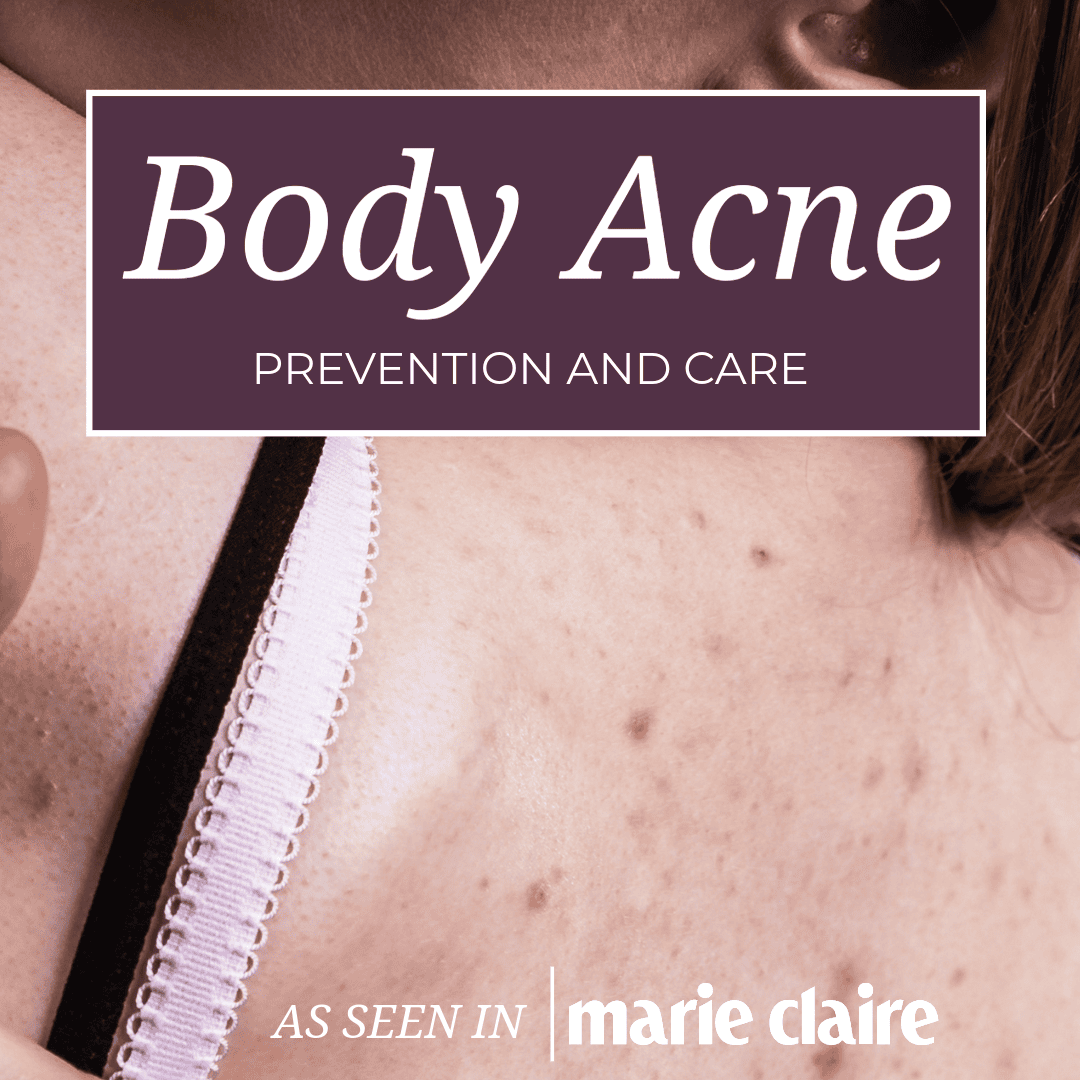
Body Acne Prevention and Care | Featured in Marie Claire

While the warm weather we crave brings fun and memories, it also equals sweat and clogged pores. Ultimately this leads to the struggle no one wants to deal with, body acne. However, there are ways that can make fighting those struggles a lot easier. Learn from Dr. Mona Foad, featured in Marie Claire, the best tips and products to support your body care routine in keeping away body acne.

Body Acne Prevention and Care

Why can your body care routine be beneficial when fighting body acne?

Your body care routine can make a significant difference because body acne develops for many of the same reasons as facial acne: excess oil, clogged pores, bacteria, sweat, and friction. The skin on the back, chest, and shoulders is often exposed to workout clothing, prolonged sweat, and friction, all of which can contribute to clogged pores and breakouts. A consistent routine with the right cleansers and treatments helps keep pores clear, reduce inflammation, and support a healthier skin barrier over time. Like facial acne, improvement doesn’t happen overnight, so consistency is key.

Are there any ingredients to look out for or avoid?

When treating body acne, I recommend looking for ingredients with well-established evidence behind them. Salicylic acid is excellent for unclogging pores and exfoliating inside the follicle, while benzoyl peroxide helps reduce acne-causing bacteria and inflammation. For those dealing with post-acne marks as well, ingredients like azelaic acid or niacinamide can help calm inflammation and improve overall skin tone. It’s also a good idea to be mindful of heavily fragranced body products and thick lotions if you’re prone to body acne, as they can sometimes irritate the skin or make breakouts worse.

Will exfoliating help fight body acne?

I also encourage patients not to over-exfoliate. It may seem like scrubbing more will clear acne faster, but using multiple exfoliating products or harsh scrubs can actually strip the skin and cause more irritation. A gentle, consistent routine is almost always more effective than an aggressive one. Also, don’t forget a lightweight, non-comedogenic sunscreen to decrease post-inflammatory hyperpigmentation from acne.  

What are your favorite products for fighting body acne?

I tend to recommend products based on the individual’s skin type and the severity of their acne, but there are several over-the-counter options that consistently perform well.

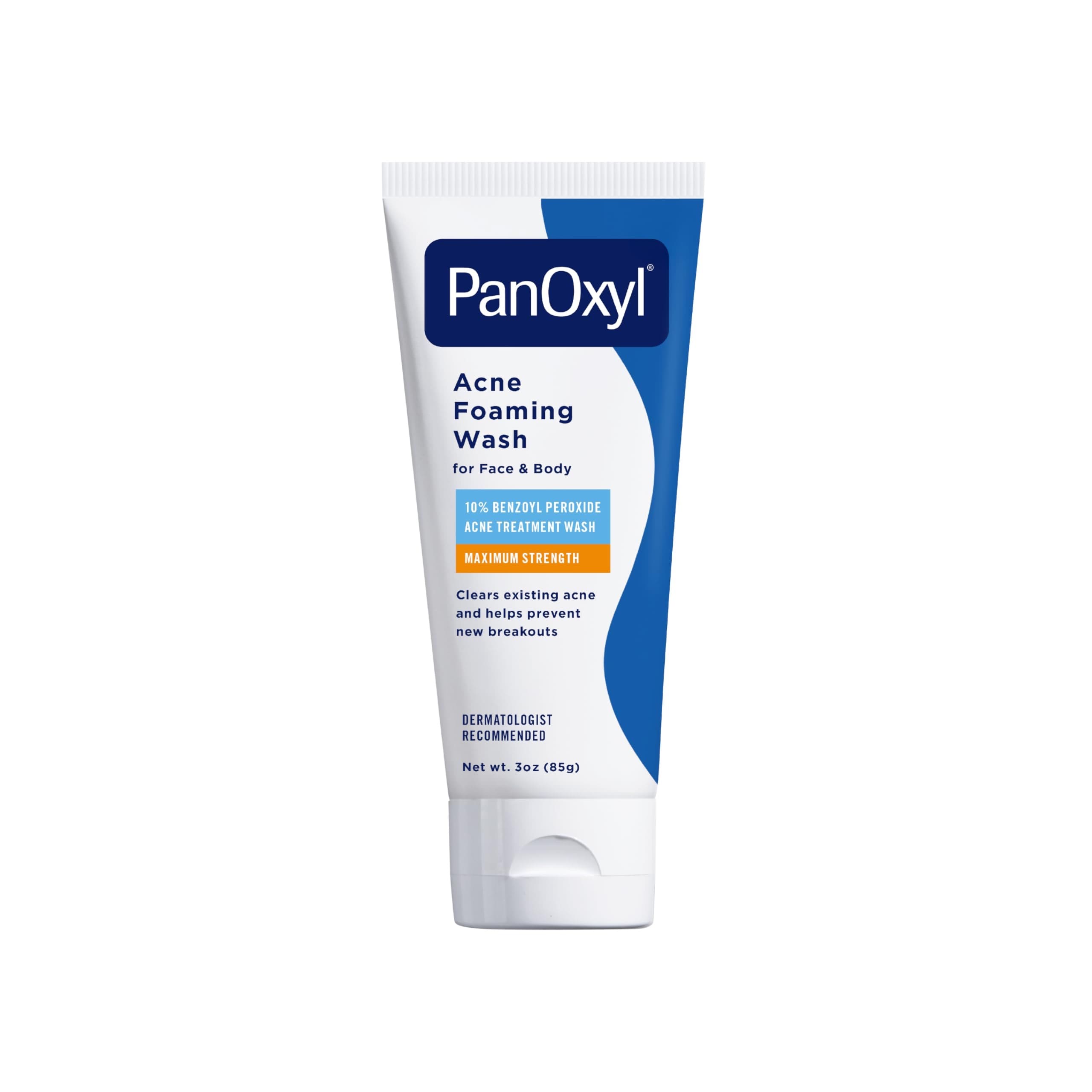
PanOxyl Acne Foaming Wash

A benzoyl peroxide wash, such as PanOxyl, is a great choice for inflammatory body acne because it helps decrease acne-causing bacteria.

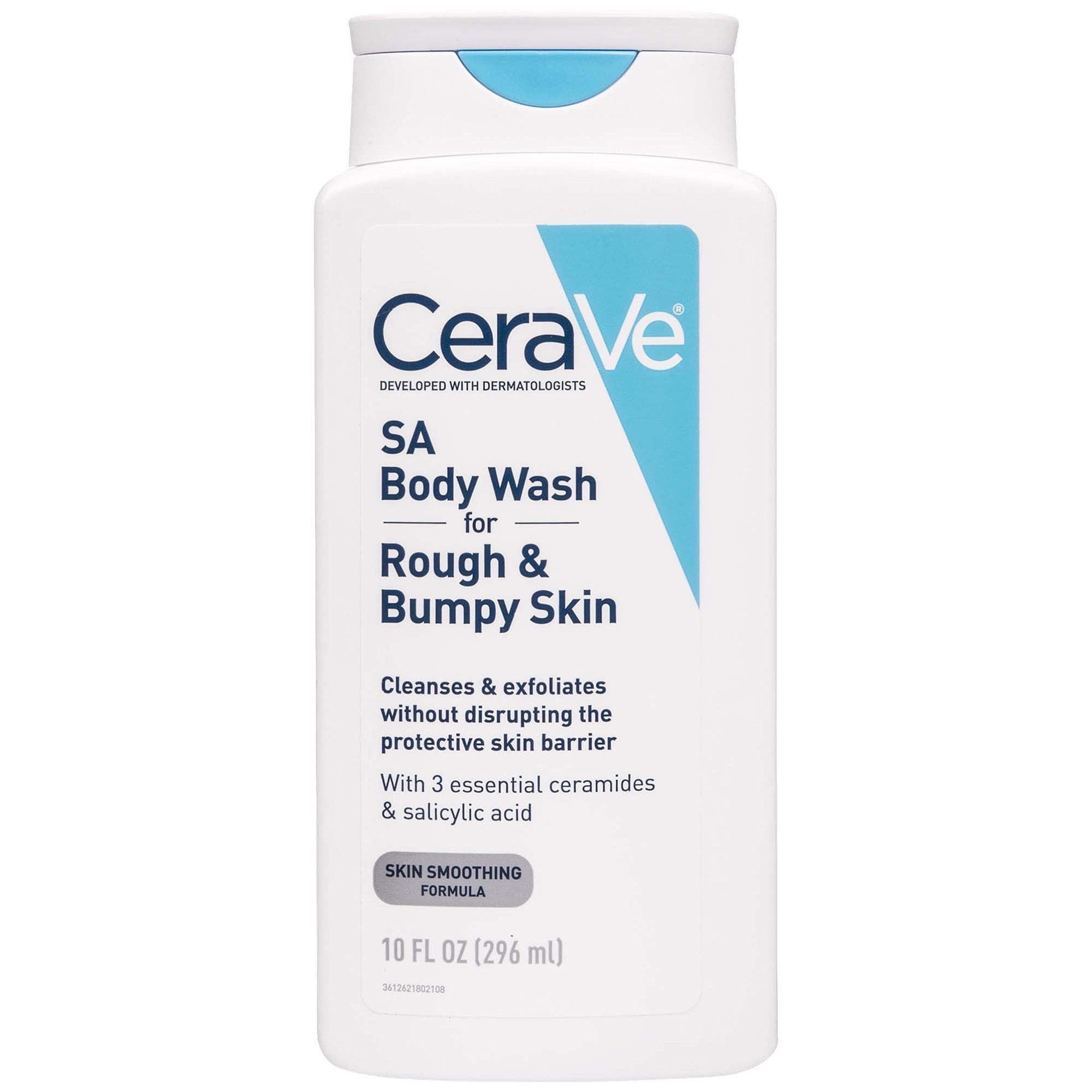
Cerave SA Body Wash
CeraVe SA Body Wash

For patients with clogged pores or rough, bumpy skin, a salicylic acid body wash like CeraVe SA Body Wash can be very effective.

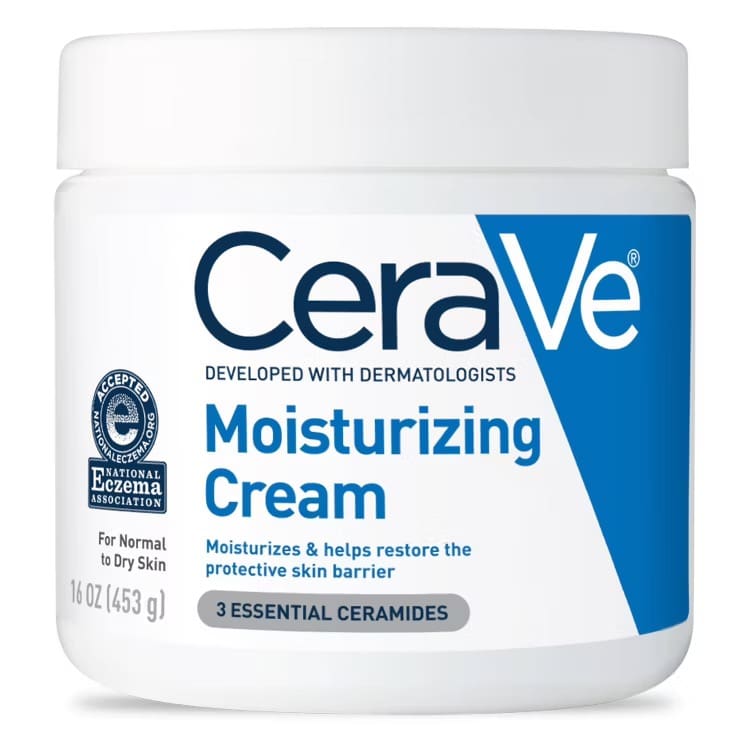
CeraVe Moisturizing Cream

Furthermore, if the skin is sensitive or becoming dry from acne treatments, I also encourage using a fragrance-free moisturizer to support the skin barrier, because healthy skin tolerates treatment much better.

Do you have any other body acne tips?

One of the most overlooked factors is what happens after exercise. I encourage patients to shower as soon as possible after sweating and change out of damp workout clothing promptly, since sweat, oil, and friction can all contribute to breakouts. If you can’t shower right away or in the middle of a sports event, consider using an over-the-counter salicylic acid wipe such as Stridex body wipe. The wipe helps to get the sweat off, and the salicylic acid helps with fighting acne.  It’s also helpful to avoid picking or squeezing blemishes, which increases the risk of scarring and post-inflammatory pigmentation. If body acne is persistent, painful, or leaving scars despite a consistent routine, it’s worth seeing a dermatologist. Sometimes prescription topical or oral medications are needed, and treating acne early can help prevent long-term skin changes.

Schedule an appointment now if you are looking to prevent or treat.


Sweating Easily May Not Be Natural, Dr. Bowles’ Advice | Seen in USA Today

Nothing compares to the feeling of standing in public and looking down to find you have sweat through your shirt. For some people, this may only be an occasional experience through activities, but for others these conditions could be an everyday struggle. Dr. Alexandra Bowles, also seen in USA Today, shares the causes of sweating and what those who are facing more extreme circumstances should consider.

Sweating Easily May Not Be Natural, Dr. Bowles' Advice

Why do I sweat so easily?

For most people, sweating is just the body’s way of cooling itself down. However, some people naturally sweat more than others. This can be influenced by things like genetics, hormones, stress, exercise, or even caffeine. One thing I remind patients is that sweating more than the person next to you does not necessarily mean there’s a problem. It may simply be how your body regulates temperature.

What causes sweating easily?

Some people have sweat glands that are simply more sensitive to triggers like heat, stress, or physical activity. Even a small rise in temperature can be enough to get the body’s cooling system going. Hormonal changes like perimenopause, anxiety, spicy foods, and certain medications (like SSRIs) can also make people feel their body is reacting more quickly than others.

How can someone tell if they sweat more easily than others?

Most people have a pretty good sense of when their sweating feels excessive compared to those around them! If you’re regularly sweating through clothing, needing to change shirts during the day, or avoiding certain activities because of it, that’s often a sign that you’re producing more sweat than average. It’s important to remember, though, that there’s a wide range of what’s considered normal.

What can sudden sweating be a sign of?

In many cases, sweating more easily is simply the way someone’s body is built or genetics they were born with. However, noticeably worse symptoms, or happening without an obvious trigger, are signs that outside factors may be involved. These factors can sometimes be associated with thyroid conditions, hormonal changes, certain medications, cancer, or hyperhidrosis condition. Hyperhidrosis is a specific condition that causes excessive sweating. The good news is that there are ways to evaluate what’s causing it, as well as treatment options if it’s becoming bothersome.

When should I bring it up with a doctor?

I usually tell patients to bring it up if the sweating is affecting their daily life, causing embarrassment, disrupting sleep, or if it’s changed significantly from what they’ve experienced in the past. A primary care doctor is often the best place to start. They can help rule out any underlying medical causes. If needed, they may refer you to a dermatologist with a number of treatments available. Options like prescription medications and Botox under the arms, can make a meaningful difference with excessive sweating.

If looking to see a dermatologist, click to book an appointment.