The Man’s Guide: Tips and Treatments for Anti-Aging | Seen in Cincinnati Magazine

Cosmetic treatments are rising in popularity for men nationwide—and are expected to more than double by 2032. The greatest increase in demand: “stealth” treatments that stop the clock on aging while being nearly undetectable. Below we provide a modern man’s guide to treatments and strategies, as seen in Cincinnati Magazine, from our very own male patient favorites.

The man's guide to tips and treatments for anti-aging.

Look and feel refreshed

Whether you’re burning the midnight oil at work or up early with young kids, tired eyes can make you look older than you feel. Botox around the eyes–often called “BroTox” for male patients–smooths wrinkle lines and can even lift the brow slightly for a more alert appearance. For the avid golfer, skier, runner, or any man who spends significant time outdoors, sun damage will often show up with age. This can be found in forms of brown spots, redness, or uneven tone. BBL, or Broadband Light, is fantastic for reversing years of sun exposure with zero downtime: you can get treated over lunch and be back to meetings without a trace.

For an internal boost, IV therapy offers a direct infusion of vitamins, minerals, and hydration for immediate absorption. Whether you’re recovering from intense athletic training, fighting off illness, or simply feeling run down from travel and stress, IV therapy can provide the reset your body needs.

Chisel and contour

If you’ve always wanted a more angular jawline–or have noticed yours softening with age, these treatments can help. For starters, the most popular jawline treatment for men by far is dermal filler: interest has grown by over 70% since the early 2000s. Filler treatment takes less than 30 minutes, has little to no downtime, and creates immediate results. Tightening treatments like EmFace or Sofwave are also great options if your jawline has softened due to aging. These treatments boost your body’s own healing power to chisel the lower face over time.

Hold the “Hair” Line

For many men, a receding hairline can feel like an unwelcome reminder that time is marching on. That being said, hair transplant surgery is considered the gold standard, but it’s not the only option. For men who aren’t ready for surgery or want to explore less invasive alternatives first, PRP and Nutrafol offer effective solutions towards a modern man’s guide.

PRP, or platelet-rich plasma, uses your own blood to stimulate hair follicles. To explain, blood is drawn to concentrate the growth factors, and then inject them into areas of thinning. Nutrafol is a supplement that addresses hair loss from the inside out by targeting stress, inflammation, and hormones–all factors that contribute to male pattern baldness.

Skip the Shaving

For the man who wants a clean look with less time and maintenance, laser hair removal is the answer. Popular treatment areas include:

  1. Facial hair – For those who want to save time in the morning or who have sensitive skin that’s irritated by daily shaving
  2. Back of the neck – Eliminates the issue of regrowth between haircuts
  3. Back, chest, and shoulders – Say goodbye to unwanted hair on the torso without constant shaving or waxing

Don’t forget the body

EmSculpt Neo is a game-changer for men who workout but want to accelerate their results. It combines radio frequency to reduce fat by 30% with high-intensity electromagnetic energy to build muscle by 25% in areas like the biceps, abs, and calves.

For targeted fat reduction, CoolSculpting Elite is a proven way to treat fat in areas such as: love handles, lower abdomen, and under the chin. The fat cells are frozen and naturally eliminated by your body over the following weeks.

Minimum Investment, Maximum Return

This routine takes less time than your morning coffee and will keep your skin healthy for decades. It’s the best investment-to-return ratio in skincare.

  1. SunscreenDailySPF is a non-negotiable for preventing wrinkles, sun damage, and skin cancer. Modern facial sunscreens are nothing like the greasy formulas you remember. There are plenty of options that blend in easily and are undetectable.
  2. Retinol – The workhorse the prevents fine lines, improves texture, and keeps pores clear.
  3. Antioxidant – Your defense against environmental damage: pollution, UV, and stress.

Three-Minute Routine

  1. Morning – Cleanser → Antioxidant → Moisturizer → Sunscreen
  2. Night – Cleanser → Retinol → Moisturizer

Creating a routine for yourself is the perfect start in a man’s guide towards elevating your skin’s long-term health. Start looking and feeling your best after scheduling an appointment to build a routine for your lifestyle needs and goals.


Guide to a Healthy Scalp and the Best Serums to Help | Featured in Parade

While we spend so much time focusing on the rest of our skin, our scalps can often be forgotten. However, your scalp, just like your skin, requires attention and care to prevent damage and buildup affecting hair growth. Dr. Alexandra Bowles, featured in Parade, breaks down common scalp issues alongside her best recommended serums for treatment.

Scalp Health and Best Serums - June 22, 2026 at 13.21

What do people need to know about their scalps?

People are often surprised to learn that the scalp is skin, needing consistent care like the rest of the body. A healthy scalp sets the stage for healthy hair growth. Issues such as flaking, inflammation, or excess oil can interfere with the hair growth cycle over time. The scalp also has its own microbiome, which means that harsh products or over-cleansing can disrupt its natural balance. This can then lead to irritation or discomfort. Paying attention to changes like increased shedding, dryness, or itchiness can offer early clues that the scalp needs a different approach. Treating the scalp thoughtfully can make a noticeable difference in the overall health and appearance of the hair.

What are common scalp issues and how can serums help?

Many people deal with dryness, flaking, itchiness, excess oil, and inflammation, and these issues can significantly affect how healthy the hair looks and feels. Scalp serums are helpful because they deliver targeted ingredients directly to the start of the problem. A hydrating serum can restore the skin barrier and calm dryness, while clarifying formulas reduce buildup and excess oil. There are also serums designed to soothe inflammation or support the hair growth cycle. I encourage patients to think of scalp serums the same way they think about skincare for the face. Consistent, targeted care helps create the healthiest foundation for hair to grow.

How do you apply a scalp serum?

When applying a scalp serum, it is important to place the product directly on the scalp rather than on the hair itself. Most serums come with a dropper or nozzle. This allows you to part the hair in sections and apply the product right at the root. After that, gently massaging with your fingertips for 30 to 60 seconds helps increase absorption and stimulates circulation. Some formulas work best on a damp scalp after washing, while others are designed for use on a dry scalp, so reading the instructions is always helpful. As with most treatments, consistency is what delivers the best long-term results.

What are some of the best scalp serums?

There are several effective scalp serums that I often recommend, and the right choice depends on a person’s specific concern. Nutrafol Women’s Hair Serum is a lightweight option that helps support stronger, healthier-looking hair. Divi Scalp Serum is a popular formula that combines amino acids, caffeine, and rosemary oil to nourish the scalp and improve the look of thinning hair. HAIRtamin Scalp Serum is another reliable option for people who want to soothe dryness while supporting thicker hair growth. For those dealing with dryness or flaking, Pacifica Scalp Love Rosemary Mint Serum offers gentle soothing ingredients that calm irritation. Odele Rejuvenating Scalp Serum, made with rosemary and vitamin E, is a simple and fragrance-free option that helps maintain a balanced, healthy scalp environment. Each of these works well when used consistently and chosen based on the individual’s main scalp concern.

What do scalp serums treat?

Scalp serums can help with many different concerns, including dryness, itching, flaking, excess oil, and product buildup. Some formulas focus on hydrating and soothing the scalp, while others gently exfoliate dead skin cells or support a healthier hair growth cycle. There are also serums created specifically to improve the appearance of thinning hair by nourishing the follicles and promoting a balanced environment for growth. While no single serum can fix every issue, choosing one that targets your main concern and using it consistently can help restore scalp health. This results in an ideal foundation for stronger, more comfortable hair growth.


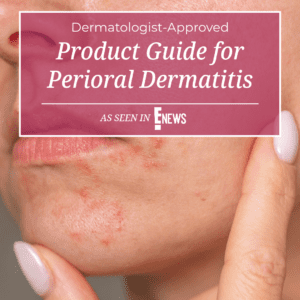
Your Product Guide to Perioral Dermatitis | As Seen in E! News

Perioral dermatitis commonly shows up through frustrating flare-ups, often resembling acne or rosacea. Dr. Mona Foad, as seen in E! News, further identifies the triggers, treatments, and specific product recommendations when struggling with perioral dermatitis.

periorial dermatitis

What is perioral dermatitis? 

Perioral dermatitis is a common inflammatory skin condition that typically appears as small red bumps or patches around the mouth, nose, or eyes. It often looks like acne or a rash, but the causes are different. While the exact reason it develops isn’t always clear, it is often a variant of rosacea and can be treated in the same ways. Sometimes, it can be linked to a disrupted skin barrier and inflammation triggered by factors such as topical steroid use, fluoride toothpaste, certain cosmetics, or harsh skincare products. Hormonal changes, stress, and even overuse of heavy creams or moisturizers can also contribute. Anytime your skin’s protective barrier becomes compromised, it can open the door for irritation and inflammation to take hold.

Are there over-the-counter treatment options?

While prescription treatments are sometimes necessary, several over-the-counter options can help calm the skin and reduce inflammation. Look for soothing, fragrance-free products with ingredients like niacinamide and ceramides or squalene oil. These support the barrier and reduce redness without irritation.  Azelaic acid is a product that has been shown to help rosacea so this may be another option. A mild 1% hydrocortisone cream can temporarily reduce inflammation, but it should be used sparingly and under your dermatologist’s guidance, as topical steroids can sometimes worsen perioral dermatitis if overused. Switching to a fluoride-free toothpaste can also help minimize irritation in some individuals.

What are safe cleansers and moisturizers to use with perioral dermatitis?

When dealing with perioral dermatitis, simplicity is key. Choose a non-foaming, fragrance-free, creamy cleanser such as Avène Xeracalm Oil Cleanser, CeraVe Hydrating Cleanser or Vanicream Gentle Facial Cleanser, all of which cleanse without stripping the skin. For moisturizers, look for lightweight, non-comedogenic, and barrier-supporting formulas like Avène Tolerance for drier skin, Avène Cleanance Hydra for a lighter moisturizer or La Roche-Posay Toleriane Double Repair Face Moisturizer. These hydrate and calm inflammation without occluding the pores or triggering flare-ups. Avoid heavy ointments or thick creams during active breakouts, as they can clog your pores.

What ingredients could help prevent flare-ups and strengthen the skin?

To prevent perioral dermatitis flare-ups, stick to products that are free of fragrance or alcohol, which can irritate already-sensitive skin. Avoid topical steroids, heavy occlusive moisturizers like petrolatum and coconut oil, and fluorinated toothpaste if you’ve noticed a connection with your breakouts.

On the other hand, ingredients that help strengthen and soothe the skin, such as ceramides, hyaluronic acid, glycerin, squalane, and niacinamide, can be very beneficial. Keeping your routine minimal with just a gentle cleanser, moisturizer, and mineral sunscreen helps the skin reset and heal naturally.

Are there any makeup-safe drugstore products for redness?

If you prefer to wear makeup, choose products labeled non-comedogenic, fragrance-free, and for sensitive skin. Mineral-based foundations such as Neutrogena Mineral Sheers, bareMinerals Original Foundation, or Physicians Formula Mineral Wear Talc-Free Powder are good choices. They allow the skin to breathe while providing natural coverage. Avoid heavy liquid foundations, primers, or products with silicones and alcohol, which can trap bacteria and worsen inflammation. Always remove makeup thoroughly with a gentle cleanser at the end of the day to get rid of the day’s pollution and prevent further irritation.

Are there any post flare-up product reccomendations to maintain the skin barrier? 

Maintaining a healthy skin barrier is an important step in preventing perioral dermatitis from returning. Incorporate a gentle sulfate-free cleanser and a daily fragrance free moisturizer suitable for your skin such as those mentioned above. Use a mineral sunscreen like EltaMD UV Clear Broad-Spectrum SPF 46, which also contains niacinamide to soothe inflammation. Keeping your skincare routine simple, avoiding over-exfoliation, and minimizing product switching. Making an appointment with your dermatologist can be very helpful, especially if you need more direction on your skin care or you just can’t get things under control.


Is Niacinamide Just A Trend? | As Seen in Bazaar

You may have noticed over the past few years, a growing buzz around the ingredient known as, niacinamide. Walk down the aisle of any beauty store, and you’re likely to see this ingredient being highlighted on a wide range of products. Are the benefits truly that effective, or is it just another trend formulators are reaching for? As seen in Bazaar, Dr. Mona Foad answers these questions on the truths behind niacinamide.

Niacinamide

Why has this ingredient become so popular to formulate with?

Niacinamide has become popular because it checks a lot of boxes for both consumers and formulators. It is a very versatile ingredient that can help with redness, excess oil production, uneven skin tone, enlarged pores, and even skin barrier support. Niacinamide does have broad benefits and is generally well tolerated by most skin types. This makes it easy to incorporate into a wide range of products.

Are the benefits of niacinamide effective?

Niacinamide is a form of vitamin B3 that has been shown to help strengthen the skin barrier, reduce inflammation, improve hyperpigmentation, regulate oil production, and support overall skin health. Whether it’s effective in makeup products depends on the concentration and how long the product stays on the skin. A foundation or primer  may provide some added skincare benefit over time, but I wouldn’t rely on those products alone if you’re trying to treat a specific skin concern. Dedicated skincare products with a focus on niacinamide will usually deliver more meaningful results.

What are the benefits for skin vs. hair/scalp?

Niacinamide is best known for helping calm inflammation, improve discoloration, support the skin barrier, and balance oil production. On the scalp, it can help reduce irritation and support a healthier scalp environment by improving barrier function and moisture retention.

Does Niacinamide risk irritation?

Yes–although niacinamide is often marketed as a gentle ingredient, I have seen patients develop irritation from it. It’s not because it is inherently harsh, but usually because consumers are layering multiple products containing it, or choosing formulations with intense, high concentrations. As it has become more common, people may unknowingly be layering it several times throughout their routine. That can mistakenly increase the risk of redness, stinging, or irritation, especially in sensitive skin types.

Can sensitivity risk increase with overuse? 

It certainly can, as the challenge is that consumers often don’t realize how many products contain niacinamide today. Someone may have it in their serum, moisturizer, sunscreen, foundation, and even haircare products. While niacinamide is typically safe, cumulative exposure may increase the likelihood of irritation for some individuals.

Is Niacinamide just a trendy ingredient?

I don’t think it is a passing trend. It has a strong amount of research behind it and offers real benefits for many patients. However, not every product needs to contain it. More isn’t always better when it comes to skincare. I would rather see patients use a few well-formulated products consistently than feel pressured to chase a single ingredient in every step of their routine.


Best Skincare Approved by Dermatologists | Featured in Parade

Your skin deserves the best care possible, so it’s important to build a routine full of high quality products. Understanding which products are dermatologist-approved and why, leaves confident and effective results based on education. As featured in Parade, Dr. Mona Foad and Dr. Alexandra Bowles, share their most recommended products for each step of your routine.

Skincare Products

Best skincare products for your face

Barrier Creams

Avène XeraCalm A.D Lipid-Replenishing Cream is a barrier cream Dr. Bowles often recommends for patients with very dry, sensitive, or eczema-prone skin because it’s designed to both soothe irritation and restore the skin barrier. It contains lipid-replenishing ingredients that help lock in moisture and support the skin’s natural defenses, especially important when the barrier is compromised. Dr. Bowles says a simple routine can make meaningful differences in dryness and improving overall skin comfort. She likes this formula for its gentle, fragrance-free formula that works well on all skin types, including more reactive.

Dr. Foad also suggests SkinMedica Dermal Repair Cream. This is a great product for barrier support because it provides deep hydration while also reinforcing the skin’s natural protective barrier. It contains antioxidants like vitamins C and E. Along with that, the hydrating ingredients help improve skin smoothness and reduce moisture loss over time. “In my experience, this type of richer, well-formulated moisturizer can be especially helpful for patients dealing with dryness, sensitivity, or a compromised skin barrier, particularly when used consistently as part of a simple, supportive routine,” says Dr. Foad.

Moisturizing Sunscreens

Dr. Bowles recommends, EltaMD UV Clear Broad-Spectrum SPF 46. It’s lightweight, well-tolerated, and provides both sun protection and skin-soothing benefits. It contains ingredients like niacinamide, which can help calm irritation while supporting the skin barrier. For many patients, especially those with sensitive or acne-prone skin, it strikes a good balance between protection and daily wearability. 

Another great SPF supporting overall skin health and resilience is the EltaMD UV Skin Recovery SPF 50. Dr. Foad defines this product as a mineral sunscreen that provides broad-spectrum protection while also supporting the skin barrier and helping to calm redness. It’s one she feels very comfortable recommending, particularly for patients with sensitive or reactive skin.

Retinoids & Spot-Treatment

SkinMedica Retinol Complex 0.5 is a mid-strength retinol that helps improve skin texture, tone, and the appearance of fine lines through a gradual-release system. Dr. Bowles suggests this product stating, “it’s effective while still being designed with tolerability in mind, making it a good option for many skin types. With retinol, I always recommend starting slowly and using it consistently.” She further adds that pairing it with a daily sunscreen will reduce irritation, resulting the best results overtime. 

In addition, Dr. Mona also likes Avène Retrinal Intensive Multi-Corrective Cream as a retinoid-based skincare treatment that helps support renewal. Furthermore, it gradually works to  improve tone and texture. These treatments work by encouraging healthy cell turnover, which can help fade discoloration over time in a more consistent and controlled way. When used regularly and paired with daily sunscreen, they can be a very effective part of a long-term approach to managing uneven pigmentation.

If you are looking to target isolated dark spots with using hydroquinone, Dr. Foad recommends SkinMedica Even & Correct Dark Spot Cream. It uses tranexamic acid (a brightening agent that reduces the appearance of dark spots), niacinamide, glycolic Acid, retinol (0.25%), and a kojic acid derivative. All of these products help to support skin renewal and collagen levels, helps to lighten visible sun damage, and exfoliate to help reduce the appearance of fine lines and wrinkles.

Anti-Aging Cream

Dr. Foad suggests, Avène Retrinal Intensive Multi-Corrective Cream. What makes this product particularly effective is its use of retinaldehyde, a vitamin A derivative that supports collagen production and accelerates skin renewal. It helps improve fine lines, uneven texture, and overall skin tone, and is often better tolerated than traditional retinol. For patients who are more sensitive but still want meaningful results, this is a very well-balanced option.

Best skincare products for your eyes

Eye Cream for Dark Circles

SkinMedica Instant Bright Eye Cream offers immediate brightening while also supporting longer-term improvements in skin quality. With consistent use, it can help the under-eye area appear smoother, more even, and less fatigued. The under-eye area being complex, Dr. Foad explains that she often looks for products addressing multiple factors, including pigmentation, skin thinning, and light reflection.

Hydrating Eye Gel

Colorescience Total Eye 3-in-1 Treatment SPF 35, although not necessarily an eye gel, is a great product that combines hydration, and sun protection. These traits are essential but often overlooked in the eye area. Dr. Foad shares that UV exposure plays a significant role in both pigmentation and collagen breakdown, so protecting this area is just as important as treating it. It is also tinted, giving the benefits of a concealer for dark circles. Products that integrate protection with daily care tend to be the most effective long-term.

Best skincare products for your neck

Dr. Foad likes SkinMedica’s Neck Correct Neck and Décolleté Cream. This product is specifically formulated for the neck and décolletage, areas where the skin tends to be thinner and more prone to early changes. It also contains peptides that help build dermal thickness and elasticity. This supports the appearance of firmer, smoother skin. In addition, it contains the Paracress Extract. This ingredient helps decrease the appearance of platysmal bands, which age the appearance of the neck at a muscular level. Dr. Foad goes on to share that this product works best when used consistently and combined with daily SPF, maintaining health and appearance over time.

Best skincare products as treatments and tools

Lip Treatment

If you’re looking to improve overall lip quality and hydration for a fuller and smoother appearance, Dr. Foad recommends SkinMedica HA5 Smooth & Plump Lip System.  Rather than creating a temporary plumping effect, it works by supporting moisture retention and improving surface texture over time. “I tend to favor this approach because it focuses on long-term lip health rather than short-term stimulation,” explains Dr. Foad.

Foot Care Treatment

When you’re battling dry cracked feet, Dr. Foad looks for product that has urea between 20 and 40 percent. This helps chemically exfoliate the skin cells, leaving your feet softer. She often recommends, Avène Cicalfate Restorative Skin Cream. This product is good for areas like the feet, where the skin barrier is frequently compromised by dryness, friction, and environmental exposure. It helps support barrier repair while creating a protective environment that allows the skin to heal more effectively. For patients dealing with cracking or persistent dryness, consistent use can significantly improve both comfort and overall skin integrity.

Depuffing Tool

Wildling Empress Platinum Facial Gua Gua Stone is a well-designed option for depuffing, particularly because of its stainless steel construction. The material naturally stays cool, which can help reduce puffiness by gently constricting blood vessels and supporting lymphatic drainage. Dr. Foad also adds that it is non-porous and easy to clean, which is important for skin health and hygiene.


Long-term Shingles: Prevent and Treat | As Seen in Glamour

Shingles can leave long-term effects on your skin, ranging from changes in the overall texture to hyperpigmentation. Using the right products and treatment practices, can decrease the amount of  discoloration and patches. Dr. Alexandra Bowles thoroughly provides the best tips and tricks, as well as product recommendation to protect your skin throughout its natural healing process, featured in Glamour.

long-term shingles


What is the typical timeline and progression of a shingles rash?

Shingles typically follows a fairly predictable progression, although it can vary somewhat from person to person. It often starts with a tingling, burning, or sensitive feeling in a specific area of the skin, usually on one side of the body. Within a few days, a red rash begins to appear, followed by clusters of small, fluid-filled blisters. These blisters can become painful and may continue to develop over several days before they eventually begin to dry out and form scabs. Over time, the scabs heal, although the skin may still appear discolored or sensitive for a period afterward. I usually think of it as moving from nerve-related symptoms to visible skin changes and then into a healing phase.

While progression is often similar, it doesn’t look exactly the same for everyone. Some people may have a milder rash, while others experience more extensive blistering or discomfort. Catching shingles early is important because starting antiviral treatment can help reduce inflammation and limit how severe the rash becomes. From a skin perspective, this can lower the risk of prolonged discoloration, scarring, and ongoing sensitivity. I usually emphasize that earlier treatment tends to lead to better overall outcomes, both for the skin and for symptom control.

What are the possible short and long-term risks from an episode of shingles?

In the short term, shingles can cause significant inflammation, redness, and discomfort in the affected area. As the skin heals, some patients may experience post-inflammatory hyperpigmentation or changes in skin tone. This is particularly seen if the rash was more severe. In some cases, there can also be textural changes or mild scarring, especially if the blisters were disrupted. One of the more well-known long-term complications is postherpetic neuralgia, which involves lingering nerve pain even after the skin has healed. I also see patients who notice ongoing sensitivity or dryness in the affected area. The degree of these changes can vary depending on how early the condition is treated and how the skin is cared for during the healing process.

Furthermore, if an individual were to get a secondary bacterial infection from a shingles rash, it could increase the risk of both scarring and long-term discoloration. When the skin barrier becomes more disrupted and inflamed, there is a greater chance of deeper skin injury. As a result, it can make post-inflammatory hyperpigmentation, hypopigmentation, or textural scarring more noticeable and difficult to treat. From a medical standpoint, bacterial infections are important because they can worsen pain, delay healing, and occasionally require antibiotics. That’s one reason why I emphasize avoiding picking or scratching the area and keeping the skin clean during healing.

What are the best practices for maintaining the health of your skin during each phase?

During the early tingling phase, the most important step is seeking medical evaluation, as antiviral treatment can help reduce the severity and duration of the outbreak. Once the rash appears, I usually recommend keeping the area clean, avoiding friction, and using gentle, non-irritating skincare. During the blister phase, it’s important not to pick or pop the lesions, as this can increase the risk of infection and scarring. As the skin begins to scab and heal, keeping the area lightly moisturized can help support the skin barrier. Sun protection is also very important once the rash has healed, since the skin can be more prone to discoloration at that stage. Overall, gentle care and avoiding unnecessary irritation are key throughout the process.

What are common, but avoidable mistakes people make dealing with long-term shingles?

One of the most common mistakes is picking or scratching the affected area, which can increase the risk of infection and scarring. I also see patients use overly harsh products or try to “treat” the rash with strong active ingredients, which can further irritate already inflamed skin. Another issue is not keeping the area clean and protected, especially if blisters are present. It’s also important to avoid excessive sun exposure during healing, as this can worsen discoloration. In general, I recommend keeping the routine simple and focused on supporting the skin rather than aggressively treating it.

Are there specific products, ingredients, or items recommended during a shingles outbreak?

I usually recommend focusing on gentle, soothing products that support the skin barrier during an  outbreak. A simple, fragrance-free moisturizer can be very helpful, especially as the skin begins to dry out or scab. For example, I often suggest something like CeraVe Moisturizing Cream because it contains ceramides and hydrating ingredients that help maintain the skin barrier without adding unnecessary irritation. For cleansing, I recommend using a very gentle, non-stripping cleanser that won’t disrupt the skin while it’s healing. A product like Vanicream Gentle Facial Cleanser is a good option because it effectively removes debris on sensitive or inflamed skin. Adding on, it can be used on both the face and body due to its mild and non-irritating composition. For larger body areas, I recommend gentle fragrance-free body washes such as Dove Sensitive Skin Body Wash or Vanicream Body Wash.

In addition to basic skincare, cool compresses can help relieve discomfort during more active stages of the rash. I also recommend avoiding strong active ingredients such as exfoliants or retinoids until the skin has fully recovered. The goal is to keep the routine simple and supportive while the skin heals. The recommendations to avoid harsh active ingredients such as retinoids, exfoliating acids, or scrubs apply specifically to the area affected by shingles. If someone has shingles on their back, for example, there is generally no reason they cannot continue using their normal skincare routine on unaffected areas like the face, assuming the skin there is otherwise healthy and tolerating those products well.

What advice is there for individuals with more melanated or fair skin?

While shingles is often described as causing a “red” rash, the appearance can vary significantly depending on skin tone. In lighter skin tones, the rash may appear bright red or pink, while in deeper skin tones it can look more violaceous, grayish, dark brown, or subtly inflamed rather than obviously red. That variation is important because shingles can sometimes be more difficult to recognize early in more melanated skin if people are only expecting a classic bright red appearance.

For individuals with more melanated skin, I pay particular attention to the risk of post-inflammatory hyperpigmentation, which can persist after the rash has healed. I usually emphasize strict sun protection and gentle skincare to help minimize long-term discoloration. For those with very fair skin, redness and irritation may be more visible, and the skin can be more prone to sensitivity during healing. In both cases, avoiding picking, minimizing irritation, and supporting the skin barrier are key. I also remind patients that healing can take time, and gradual improvement is expected. Tailoring care to the individual’s skin type can help improve overall outcomes.

How do you deal specifically with the hyper- and hypo- pigmentation from long-term shingles?

Hypopigmentation after shingles is often related to inflammation disrupting normal pigment production during healing. In many cases, some repigmentation can gradually occur over time, although it may take several months. I usually recommend focusing on gentle skincare, avoiding additional irritation, and maintaining good sun protection while the skin recovers. If pigment changes are persistent, it’s reasonable to see a dermatologist. There you can discuss whether treatments such as topical anti-inflammatory medications, light-based therapies, or other targeted approaches may be appropriate.

Additionally, SPF is especially important to minimize and prevent worsening of post-inflammatory hyperpigmentation. It can also be helpful towards the overall healing process. UV exposure can make uneven pigmentation more noticeable in general. While sunscreen will not directly “fix” hypopigmentation, reduced  sun exposure can help decrease contrast between lighter and surrounding skin of long-term shingles.

What type of scarring appears during healing, and how do you treat them?

The most common changes I see after shingles are post-inflammatory pigmentation changes and mild textural irregularities.. Some patients can develop shallow atrophic scarring if the inflammation was deeper, the lesions were picked at, or became secondarily infected. In certain cases, especially with prolonged inflammation, there can also be persistent discoloration or areas of altered skin texture.

Many of the same recommendations mentioned above are important for minimizing scarring. More specifically, avoiding picking, minimizing friction, gentle moisturizers, and protecting the area from sun exposure. Sunscreen is especially helpful for reducing worsening pigmentation changes associated with scars and helping scars heal with less noticeable discoloration. It is particularly important for post-inflammatory hyperpigmentation, although it will not necessarily change scar texture itself. Preventing additional inflammation during healing is one of the biggest factors in reducing more noticeable scarring overall.

What are in-office treatments for stubborn discoloration and scars?

Treatment really depends on whether the primary issue is pigmentation, redness, or textural scarring, as well as the patient’s skin tone and sensitivity. For persistent hyperpigmentation, I may consider topical lightening agents, chemical peels, or certain lasers. However, caution is important in more melanated skin tones because aggressive treatments can worsen pigmentation. For redness, vascular lasers may sometimes help. For textural scarring, treatments such as microneedling, fractional laser resurfacing, or radiofrequency-based procedures can sometimes improve skin texture over time. I usually recommend a personalized approach because the safest and most effective treatment can vary significantly. This depends on the patient’s skin type, healing pattern, and the severity of the residual changes.

What are signals that the skin barrier is healed?

In general, I consider the skin barrier more fully healed once there are no longer any open lesions, crusting, active blisters, or significant tenderness in the area. The skin should feel more intact and less reactive overall. If the area is still stinging easily,  irritated with simple products, or showing active inflammation, I usually recommend continuing a gentle, barrier-focused approach.

The Best Affordable and Dermatologist-Approved Retinol Products | As Seen in Real Simple

Dr. Mona Foad shares favorite, yet affordable, retinol products. Learn why each is recommended specifically for anti-aging and discover which type is best suited to your skin. Read more in Real Simple’s article, all about retinoids.

The Best Affordable and Dermatologist-Approved Retinol Products

What are your top recommended retinols for someone on a budget?

Avène Retrinal Intensive Multi-Corrective Cream (Retinaldehyde 0.1%)

This is a great 3 in 1 product for anyone with sensitive skin who wants to start using a retinol. The ingredients include bakuchiol, a more gentle plant based alternative that helps with fine lines and skin firmness. It also contains niacinamide that helps to calm inflammation, and hyaluronic acid that builds hydration and radiance in your skin. This is also a great starter that allows your skin to adjust before jumping into a stronger, more irritating product.  

SkinMedica Retinol 0.25 Complex

This is another great product for someone who wants to start using retinols and is concerned about dryness and irritation. This will help to decrease fine lines, smooth texture and even skin tone. Once you can tolerate daily, you can increase the strength and go to the retinol 0.5. This product uses retinol as well as antioxidants to improve overall skin health. 

RoC Retinol Correxion Wrinkle Filler with Hyaluronic Acid & Retinol

This is a more approachable option that combines a lower-strength retinol with hydrating ingredients like hyaluronic acid, which can help soften the appearance of fine lines while also supporting the skin barrier. It works over time to stimulate collagen and improve skin texture, while hyaluronic acid provides more immediate plumping, so you’re getting both short- and long-term benefits. I often recommend formulas like this for patients who are newer to retinol or looking for something they can use more consistently with less irritation. It can be incorporated into a simple nighttime routine, ideally starting a few nights per week and increasing as tolerated. As with any retinol, daily sunscreen is important to protect the skin and maintain results.

Neutrogena Rapid Tone Repair Retinol + Vitamin C Moisturizer

This is a well-balanced option that combines retinol with vitamin C, which allows you to address both fine lines and uneven skin tone at the same time. Retinol works to stimulate collagen and improve texture, while vitamin C helps brighten the skin and reduce the appearance of dark spots, so it’s a good choice for patients focused on overall tone correction. The addition of hydrating ingredients helps make it more tolerable for regular use compared to stronger, standalone products. I often recommend this type of formula for patients who want a more streamlined routine without layering multiple active products. As with any others, it’s important to introduce it gradually and use sunscreen daily to protect the skin and maintain results.


Why Your Scalp Gets So Oily & How to Help | As Seen in HuffPost

An oily scalp can feel frustrating, especially when your hair looks greasy just hours after washing. Dr. Mona Foad, featured in HuffPost, explains what actually drives excess oil production on the scalp, which ingredients and products help rebalance it, and the simple habit changes that can make a real difference. Whether you’re dealing with genetics, hormones, or the wrong hair care routine, here’s what to do about it.

oily scalp


Are there certain factors that cause an excessively oily scalp or make someone more prone to oily hair?

The scalp naturally produces oil, known as sebum. This oil is essential for maintaining healthy, hydrated hair and protecting the skin’s barrier. A balanced amount keeps the scalp comfortable and adds shine and flexibility to the hair.

However, when oil production becomes excessive, it can cause problems. Greasy, flat hair shortly after washing is a common sign. Some people also experience scalp irritation or breakouts around the hairline.

Genetics plays a major role. Some people naturally have more active oil glands. Hormonal fluctuations during puberty, pregnancy, or periods of stress can further increase oil output. Conditions like dandruff, eczema, or psoriasis may also contribute. Overwashing or using harsh hair products can strip the scalp, causing it to produce even more oil to compensate.

What are some products you recommend for an oily scalp?

An oily scalp that feels greasy even after washing can benefit from rebalancing products. The key is finding something that controls oil without over-drying the skin.

Look for shampoos that contain salicylic acid, zinc pyrithione, selenium sulfide, or ketoconazole. These ingredients help exfoliate the scalp, reduce buildup, and calm inflammation linked to excess sebum.

The Neutrogena Healthy Scalp Clarify & Shine Shampoo is a great option. It uses gentle exfoliants to lift away residue and balance oil while keeping hair lightweight and shiny. The Living Proof Clarifying Detox Shampoo is another excellent choice. It removes excess oil and product buildup without stripping the scalp’s natural moisture barrier.

In between washes, reach for a dry shampoo with rice starch or kaolin clay. These ingredients absorb surface oil and keep hair feeling fresh. The goal isn’t to eliminate all oil — it’s to maintain a clean, balanced scalp that supports healthy hair.

For those with seborrheic dermatitis or psoriasis, a tar shampoo like TGel or a prescription ketoconazole shampoo may be worth considering.

Are there other things someone can be doing to prevent an overly oily scalp?

Yes. Simple adjustments to your hair care habits can make a big difference.

Start with washing frequency. Some people do well shampooing daily with a gentle, pH-balanced cleanser. Others may need to wash less often to avoid overstimulating oil production. It varies from person to person.

When you do wash, focus on the scalp rather than the length of the hair. Use your fingertips — not your nails — to avoid irritation. Apply conditioner only to the mid-lengths and ends. Putting it near the scalp can weigh hair down and make it look greasier.

Product choice matters too. Look for lightweight, silicone-free formulas designed for oily scalps. Ingredients like salicylic acid, tea tree oil, and green tea extract help balance oil and calm inflammation.

Heat styling can contribute to oil buildup over time. Air-drying when possible is a good habit. Keeping brushes and styling tools clean also helps maintain a fresher, healthier scalp.

How to Remove Makeup the Right Way | As Seen in Today

Removing your makeup at the end of the day is one of the simplest things you can do for your skin, but most people aren’t doing it quite right. Dr. Mona Foad, featured in Today, shares her top makeup remover picks, the double cleanse method she recommends to patients, and what to look for in a formula that cleans thoroughly without stripping the skin. Whether you wear light everyday makeup or full-coverage long-wear formulas, here’s how to do it properly.

makeup remover

How does makeup remover work?

Makeup removers are designed to dissolve and lift away the ingredients in makeup, which often include oils, pigments, and waxes. Oil-based products are particularly effective because they bind to those components and break them down gently. Micellar waters work a bit differently, using cleansing molecules that attract and lift debris from the skin. When used correctly, these products allow you to remove makeup without disrupting the skin’s natural barrier, which is key for maintaining healthy skin.

What are the main types of makeup remover? 

There are several options, including micellar waters, cleansing oils, balms, and wipes. I tend to favor cleansing oils or balms because they are very effective at removing makeup while still being gentle on the skin. Micellar water can be a great option for lighter makeup or as a first step in a double cleanse. I generally advise against relying too heavily on wipes, as they can be more irritating over time. The best approach is one that removes makeup thoroughly while still supporting the skin’s natural balance.

What steps do you recommend for proper makeup removal?

When it comes to makeup removal, I always encourage a gentle but thorough approach. I like the double cleanse approach which uses to start with a product that breaks down makeup, such as an oil based cleanser, cleansing balm or micellar water, followed with a second water based cleanser to fully remove any residue. This helps ensure the skin is truly clean without needing to scrub or over-exfoliate. I also remind patients to be especially gentle around the eye area, where the skin is more delicate. Taking that extra time in the evening really helps support the skin’s overall health and can make a noticeable difference over time.

What are the best ingredients to look for in a makeup remover?

I like to focus on ingredients that are both effective and supportive of the skin. Hydrating ingredients like glycerin and soothing components like ceramides can help maintain the skin barrier during cleansing. I also recommend looking for fragrance-free formulations, particularly for patients with sensitive skin. In general, makeup removal should feel like a gentle extension of your skincare routine, not something harsh or stripping.

What’s the best type of product to remove waterproof makeup?

For waterproof makeup, I usually recommend a cleansing balm or a bi-phase oil-based remover. These formulas are designed to gently dissolve long-wearing products without requiring excessive rubbing. Around the eyes, I suggest pressing the product onto the area for a few seconds before wiping it away. That small step can help minimize irritation and protect the delicate skin around the eyes.

What are some make-up removers that you recommend? 

I often recommend La Roche-Posay Toleriane Dermo-Cleanser, especially for patients with sensitive or reactive skin. It’s very gentle and does a beautiful job of removing makeup while still supporting the skin barrier, which is something I always prioritize. It’s also a great option for people who want a simple, soothing product that doesn’t overwhelm the skin. For those who wear heavier or long-wear makeup, I also like Clinique Take The Day Off Cleansing Balm. It melts into the skin and breaks down makeup very effectively, even waterproof formulas, without leaving the skin feeling stripped. I find it’s especially helpful for patients who want something that feels both effective and nourishing. In addition, for sensitive skin, For people who like to double cleanse, I like Avene’s Xeracalm Cleansing Oil which is an effective and gentle  oil based cleanser  followed by Cerave Hydrating Cream to Foam cleanser. 

SPF Head to Toe: A Dermatologist’s Guide to Body Sunscreen | As Seen in InStyle

Most of us have mastered the face SPF routine, but the neck, chest, hands, and arms are just as vulnerable to sun damage and skin cancer as the face. Dr. Mona Foad, featured in InStyle, shares her expert guidance on daily body sunscreen, including how much SPF you actually need, the most common application mistakes people make, and which body sunscreens are worth your money. Whether you’re looking for an everyday formula or something built for a full day in the sun, here’s what to know before you buy.

body sunscreens


Should we wear body sunscreen every day? 

Yes, if parts of the body are exposed daily, sunscreen there matters too. People tend to be consistent about applying sunscreen to the face, which is great. But, areas like the neck, chest, ears, hands, and arms are often exposed to UV rays on a regular basis. For the average person, I would say daily body sunscreen is most important on the areas that are routinely uncovered. You don’t need to apply body sunscreen every single day if most of your body is covered by clothing. But, any exposed skin deserves the same attention we give the face. In that sense, it is absolutely an important part of a daily routine, not only for preventing premature aging, but also for helping reduce the risk of skin cancer.

How much SPF and what PA rating would you recommend for daily wear? 

For daily wear, I generally recommend using a broad-spectrum sunscreen with at least SPF 30. That level provides good everyday protection for most people when applied properly. If you are spending extended time outdoors, such as at the beach, a music festival, or any event where you are in direct sunlight for hours, I would suggest SPF 50 or higher, and more importantly, make sure to reapply every 2-3 hours since the protective effect wears off over that time.

When it comes to PA rating, which reflects UVA protection, I recommend choosing PA+++ or higher. Especially for people concerned about hyperpigmentation, melasma, or photoaging. UVA rays contribute significantly to long-term skin damage and can pass through clouds and windows, including your car window. The most important thing is not just the number on the label, but also making sure the sunscreen is broad-spectrum and water-resistant when needed. I always prefer to have a sunscreen with zinc oxide as an ingredient because zinc oxide is the best at covering both UVB and UVA rays. Also, always remember, UVB rays are what we call Burning rays, while UVA are what we call Aging rays because they go deeper in the skin and can cause more long term damage.

Do you have any tips for sunscreen application?

One of the biggest issues I see is that people don’t apply enough sunscreen and don’t re-appply.  For the face alone, a helpful guideline is about two finger lengths of product, and for the body, most adults need about one ounce, roughly a shot-glass amount, to fully cover exposed skin. It is also important to apply sunscreen before sun exposure rather than after you are already outside, and to remember commonly missed areas like the ears, neck, chest, scalp part, tops of the feet, and backs of the hands.

If you are spending time outdoors, sunscreen should be reapplied every two hours, and sooner if you are swimming or sweating. I also remind patients that sunscreen works best as part of a broader sun-protection strategy. Hats, sunglasses, protective clothing, and seeking shade when possible all add meaningful protection. Sunscreen is essential, but it should not be the only measure you rely on.

What are some of your recommendations? 

Supergoop Unseen Sunscreen Body – This stands out for its lightweight, invisible finish, which can make daily body sunscreen feel more wearable, especially for people who dislike heavier or greasy formulas.

La Roche Posay Anthelios Melt-In Milk Sunscreen – This is a sunscreen I generally view very favorably. La Roche-Posay tends to do an excellent job with formulations for sensitive skin. This one offers broad-spectrum protection and has a moisturizing feel. It is a good choice for daily wear, especially for those with drier or more reactive skin.

Elta MD UV Sport Sunscreen Lotion – EltaMD is a brand many dermatologists trust. This is a solid choice for people who are active or outdoors for long periods. It offers higher SPF protection and is designed to hold up well with sweat and activity. It is practical, dependable, and well-suited for sports or long outdoor days.

Cerave Hydrating Mineral Sunscreen SPF 50 – This can be a good choice for someone who prefers a mineral sunscreen, especially if they have sensitive skin. CeraVe products often include ingredients that support the skin barrier. That can be helpful for skin that is easily irritated. The downside is that mineral formulas can sometimes feel heavier and may leave a visible cast, depending on skin tone.

Blue Lizard Sensitive Mineral SPF 50 Sunscreen Lotion – This is a good option for sensitive skin, especially for people who prefer mineral sunscreens. It is straightforward, gentle, and less likely to irritate reactive skin. Like many mineral formulas, though, it can feel thicker and may leave a white cast on some skin tones. It is a strong choice for skin sensitivity, but the finish may not appeal to everyone.