Skincare for Kids: Fun Self-Care or An Unnecessary Trend? | As Seen in Harper’s Bazaar

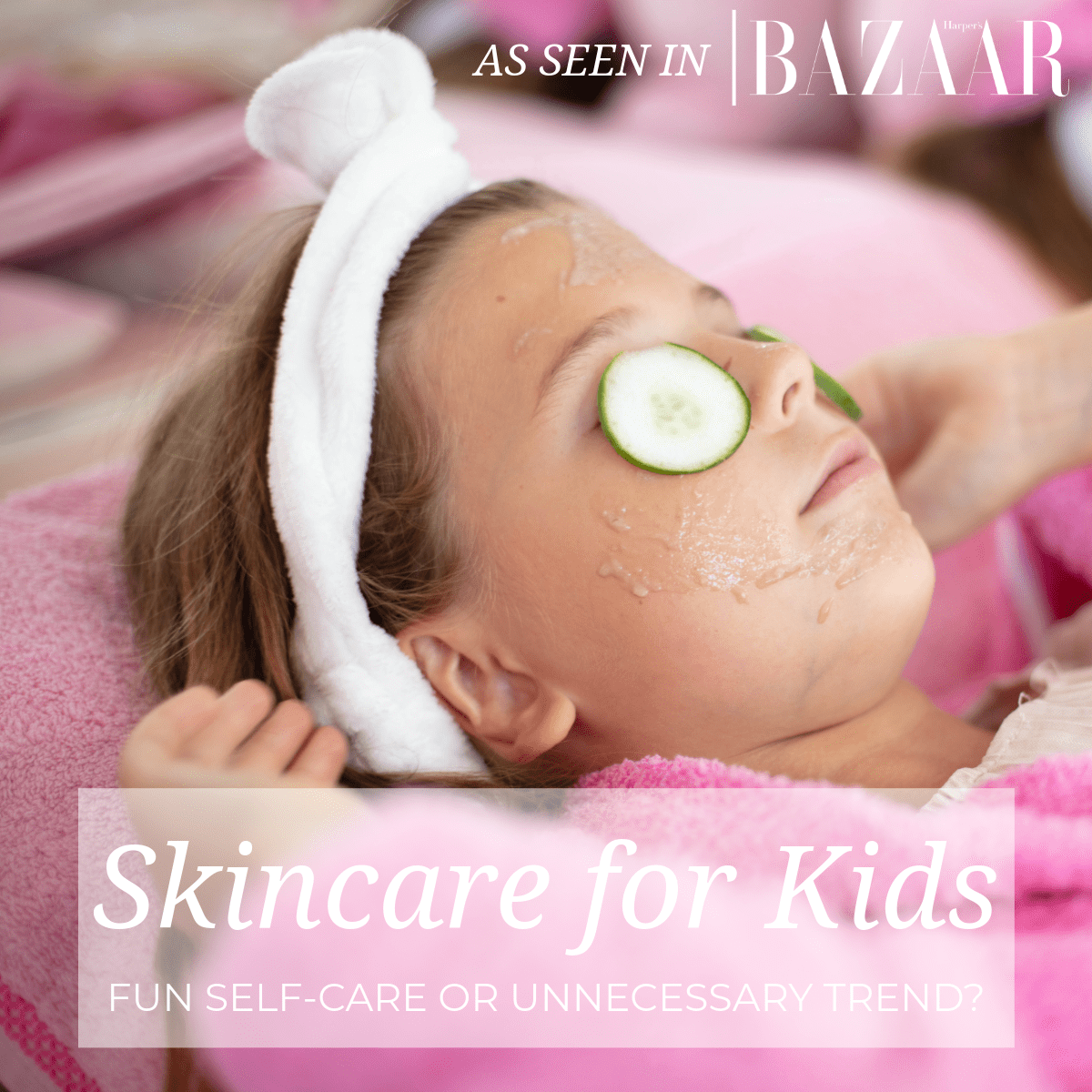
Skincare isn’t just for adults anymore—kids are becoming curious about face masks, serums, and playful routines designed just for them. Shay Mitchell’s new kids’ skincare brand, Rini, has stirred controversy for marketing sheet masks to children as young as three, with critics warning it could introduce unrealistic beauty standards too early. So, is this simply harmless fun, or are we complicating childhood with adult-focused beauty trends? Board-certified dermatologist Dr. Mona Foad breaks down the controversy and explains how parents can navigate this trend thoughtfully. Check out the full article in Harper’s Bazaar!
Skincare for Kids: Fun Self-Care or Unnecessary Trend?Do you think the criticisms here are deserved? Is it so preposterous that kids would want gentle sheet masks with fun designs?

I can absolutely understand why this topic may spark conversation. The idea of very young children using sheet masks can feel unnecessary or overly commercialized. At the same time, it’s not unreasonable that kids might want gentle, playful products that make skincare feel fun. We’re seeing a cultural shift where skincare is viewed less as beauty and more as self-care. For some families, these routines can even become bonding moments. The key question isn’t whether kids should or shouldn’t use them, but how it’s done. When formulas are genuinely gentle, the messaging focuses on care rather than appearance, and the activity is supervised, it can be a harmless way to introduce good skin habits. Some of the criticism is justified when products are marketed with adult beauty claims, but when executed thoughtfully, there’s room for kids to enjoy skincare safely and playfully.

Can kids use gentle sheet masks designed for adults?

I’m cautious about children using sheet masks made for adults because the formulations are often stronger and contain active ingredients such as acids, retinoids, or high concentrations of botanical extracts. These can be too harsh for a child’s thinner, more sensitive skin. However, when masks are specifically created for young users, the approach can be different. The most important thing is to choose formulas that are hypoallergenic, fragrance-free, and designed for delicate skin. In those cases, and with parental supervision, a gentle mask can be a fun, occasional part of self-care. But if it’s an adult mask, it’s best to read the ingredient list carefully and err on the side of caution.

Should children be using sheet masks? Are there any risks?

From a dermatologic standpoint, children don’t need sheet masks in the same way adults do. Their skin naturally stays hydrated and hasn’t yet developed the environmental or aging concerns these products are meant to treat. The main risks come from added fragrance, harsh preservatives, or potent actives that can irritate or inflame the skin. If a child is curious about trying a sheet mask, choose one with gentle, fragrance-free ingredients and use it sparingly. Parents should always supervise and ensure that it’s not part of a daily routine. When used thoughtfully, the risk is low, but unnecessary exposure to stronger ingredients can do more harm than good. On the flip side, some children may have dry skin or are more eczema prone. In these case a sheet mask specifically formulated with  these conditions in mind can help their skin become more hydrated and less inflamed. 

Where do you stand on this continuing debate of skincare designed for kids?

I think we’re in an interesting transitional moment. There’s growing curiosity among kids about skincare, which isn’t inherently negative—it can help build healthy habits early. However, the concern is when children start adopting adult routines or products meant for mature skin, which can lead to both irritation and unrealistic beauty expectations. I support the idea of gentle, age-appropriate products that focus on basic care like cleansing, moisturizing, and sun protection, rather than correction or anti-aging. If the messaging stays focused on education, fun, and self-care, skincare can be positive for kids. But it’s essential to keep it simple, safe, and free from the pressures of beauty culture.
The Ultimate Nighttime Skincare Routine | As Seen in Women’s Health

You may have heard the term “beauty sleep,” but there’s real science behind it. While you rest, your skin goes into recovery mode—repairing daytime damage, boosting collagen, and renewing itself overnight. That’s why your evening routine is one of the most important steps in maintaining healthy, radiant skin. Be sure to check out the article in Women’s Health where board-certified dermatologist Dr. Mona Foad shares her insights on how to build the ideal nighttime skincare routine and make the most of your skin’s natural renewal process.


Why is nighttime so important for skin repair?

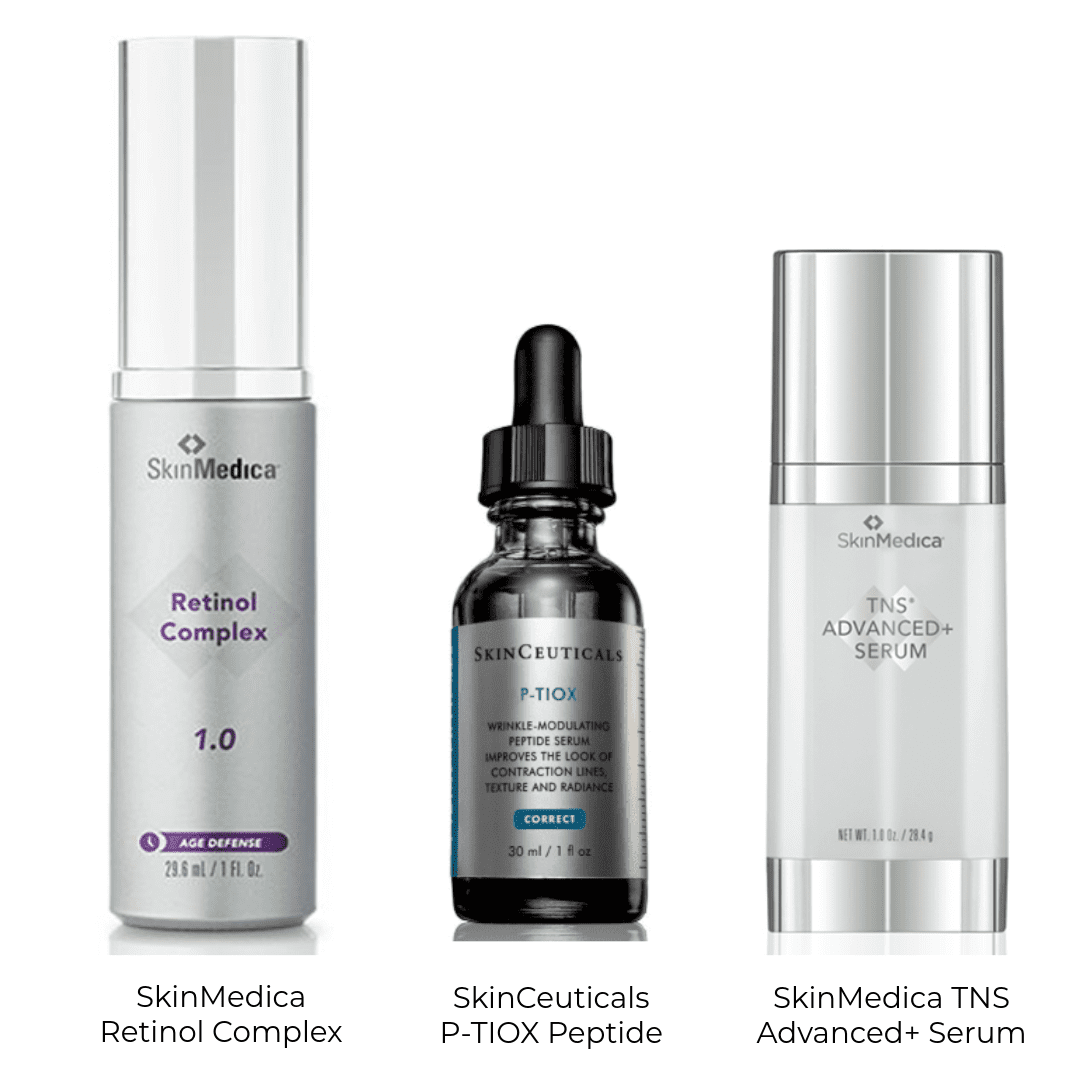
At night, your skin shifts from protection to repair. During the day, it’s busy defending against UV rays, pollution, and other environmental stressors. Once you fall asleep, your circadian rhythm signals your skin to start healing. Cell turnover increases, collagen production rises, and blood flow improves—all of which help your skin recover and restore its natural glow. The skin barrier also becomes more permeable while you sleep. That means it can lose moisture, but it also absorbs skincare ingredients more effectively. This is the perfect time to apply treatments like retinol, peptides, or hydrating serums that support repair and renewal. Even hormones like melatonin and growth hormone play a role by helping neutralize free radicals and supporting tissue regeneration.Retinol, Peptide, Serum

What should my first step be before bed?

I always tell my patients to start with a clean slate. Cleansing is essential because it removes the impurities, oil, and makeup that build up during the day. I recommend double cleansing—first with an oil-based cleanser to break down makeup and sunscreen, then following with a gentle, pH-balanced face wash to remove any residue. Double cleansing helps eliminate pollution particles that can lead to free radical damage and premature aging. It also ensures that your skin is clear and ready to absorb the active ingredients that come next in your routine.

How often should I exfoliate at night?

Exfoliation helps reveal fresh, smooth skin by clearing away dead surface cells. I typically recommend exfoliating two to three times a week, depending on your skin type. Using a gentle chemical exfoliant—such as glycolic, lactic, or salicylic acid—can improve dullness, uneven texture, and clogged pores. Because your skin is already in repair mode at night, exfoliating allows your serums and moisturizers to penetrate more effectively. Just avoid exfoliating on the same night you use retinol or other strong actives to prevent irritation. The key is consistency, not overdoing it.

What treatments or serums are best to use at night?

Nighttime is when your skin can truly benefit from targeted treatments. Since your barrier is more permeable, it’s the ideal time to apply products that address specific concerns like fine lines, pigmentation, or dehydration.

Some of my favorite ingredients to include are:

  • Retinol, which increases cell turnover and boosts collagen

  • Peptides and growth factors, which help improve elasticity and firmness

  • Niacinamide, which calms inflammation and supports the skin barrier

  • Hyaluronic acid, which draws in and locks moisture

  • Vitamin C, which brightens and helps protect against oxidative damage

Serums with these ingredients work synergistically overnight to support the skin’s natural renewal cycle and help you wake up with smoother, more balanced skin.

How should I moisturize before bed?

Nighttime moisturization is one of the most important steps in your routine. As you sleep, your skin naturally loses water through a process called transepidermal water loss, so applying a nourishing moisturizer helps lock in hydration and supports barrier repair. I recommend using a richer cream at night with ingredients like ceramides, squalane, or hyaluronic acid. If your skin feels extra dry or dull, you can layer on a facial oil or even an overnight mask a couple of times a week to boost hydration. Think of it as giving your skin a nightly care package—it will thank you in the morning.

What’s the overall goal of a nighttime skincare routine?

Your nighttime routine is more than a beauty ritual—it’s an investment in your skin’s long-term health. My philosophy is simple: cleanse, treat, and deeply hydrate. With consistent care, you’ll wake up with skin that looks refreshed, balanced, and radiant. At Mona Dermatology, my team and I help patients customize routines that fit their needs, lifestyle, and skin goals. By supporting your skin’s natural nighttime repair process, you can achieve healthier, more resilient skin over time—one restful night at a time. If you’re ready to elevate your skincare routine, schedule an appointment with us today and let our experts help you achieve glowing, healthy skin.


The Best Korean Cleansers | As Seen in Vogue

Korean cleansers have become skincare staples thanks to their innovative formulas, gentle ingredients, and emphasis on maintaining the skin’s natural barrier. Board-certified dermatologist Dr. Alexandra Bowles shared her favorite Korean cleansers with Vogue, highlighting products that balance effective cleansing with hydration, soothing botanicals, and barrier support. Below, she breaks down her top recommendations and what makes each one stand out.

Which Korean cleansers do you recommend?

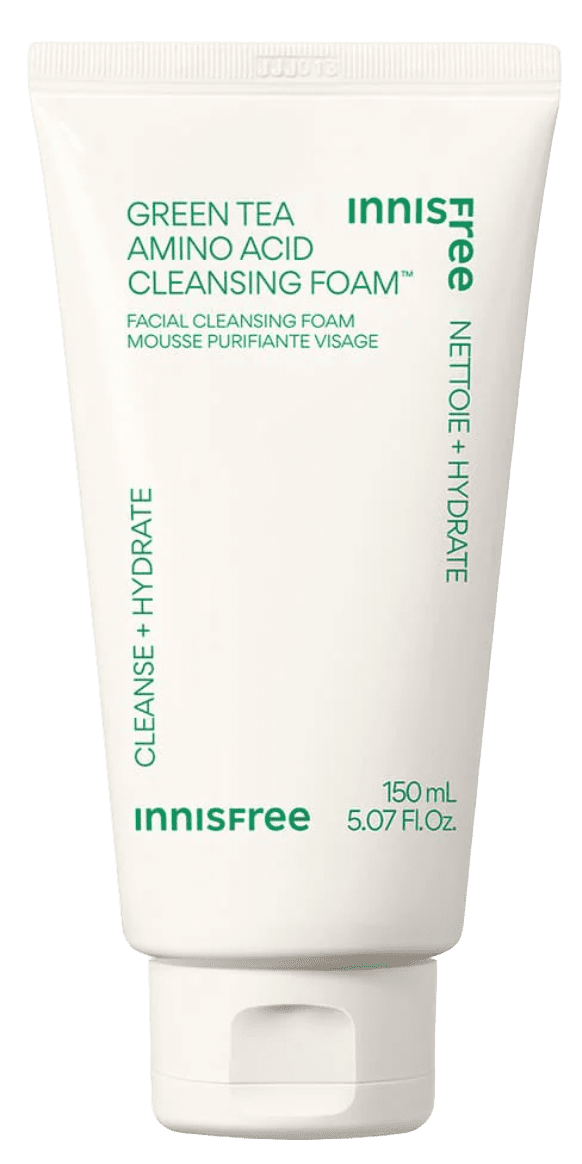
Innisfree Sulfate-Free Green Tea Amino Acid Cleansing Foam

This cleanser contains green tea water, which helps with skin hydration, while its amino acid complexes cleanse the skin gently. It’s a great option for those who want a refreshing clean without feeling stripped or tight afterward. The green tea extract is rich in antioxidants that soothe inflammation and protect the skin from environmental stressors.

Innisfree Green Tea Amino Acid Cleansing FoamCosRx Advanced Snail Mucin Gel Cleanser

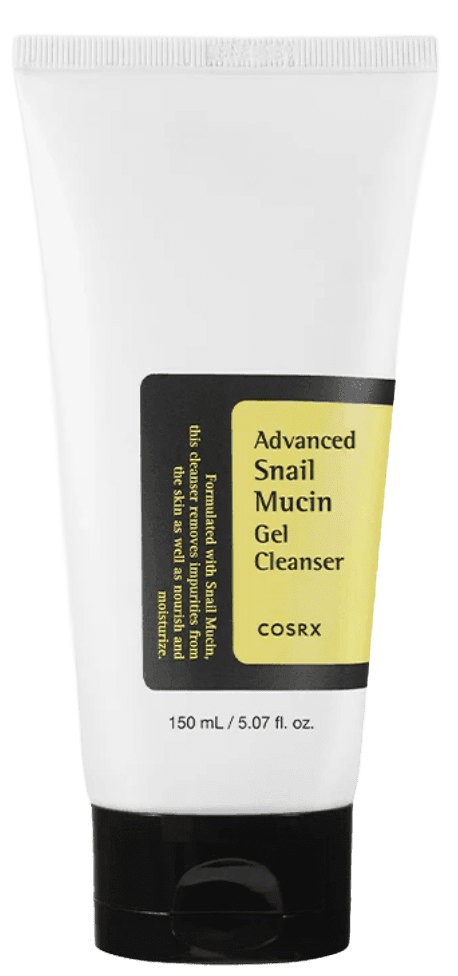
I like to recommend this one for daily use because it balances effective cleansing with hydration and barrier support. The snail mucin helps to calm, smooth, and strengthen the skin, making it ideal for all skin types — especially if you’re prone to dryness or irritation. It also includes allantoin and hyaluronic acid, which help lock in moisture and promote healing.

CosRx Advanced Snail Mucin Gel CleanserDr. Jart+ Cicapair Foaming Face Wash Cleanser

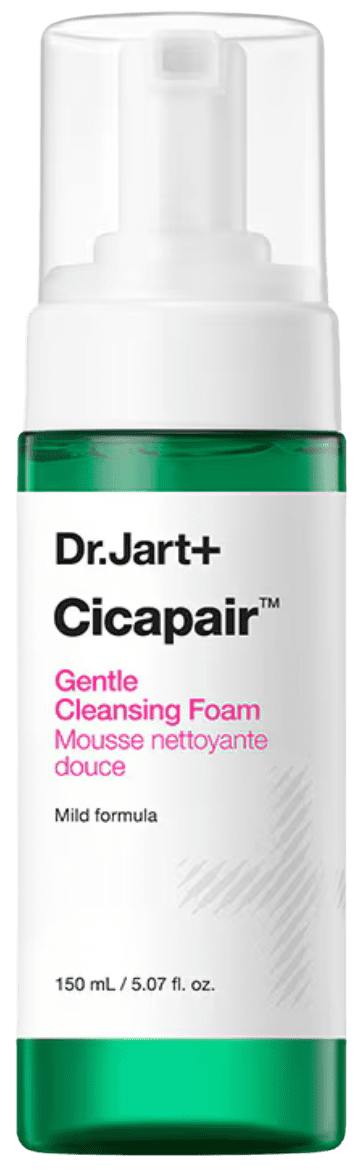
This cleanser helps promote hydration without drying the skin out. Formulated with centella asiatica (or “cica”), it’s particularly soothing for those with sensitive or redness-prone skin. The addition of herbs like mugwort and houttuynia cordata helps to calm inflammation and strengthen the skin’s protective barrier.

Dr. Jart+ Cicapair Foaming Face Wash CleanserThe Face Shop Rice Foaming Facial Cleanser

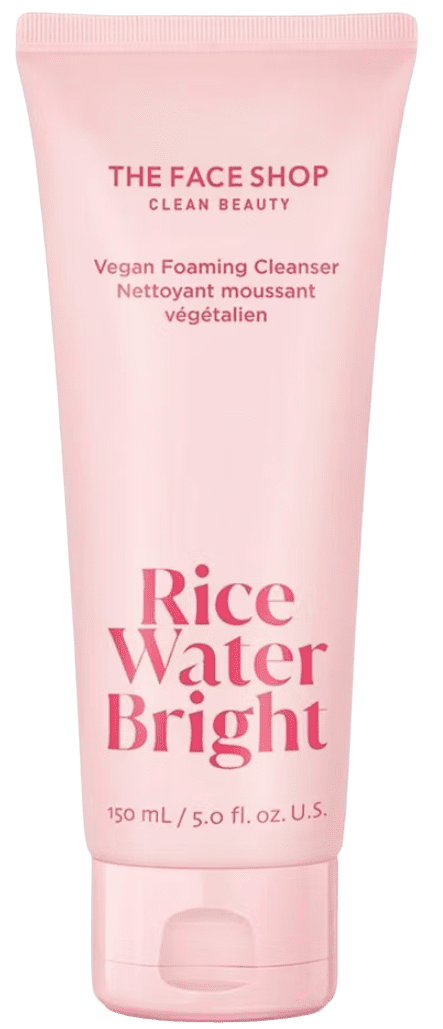
Rice water is rich in vitamins, amino acids, and other nutrients that contribute to brighter, cleaner skin. I often recommend this for patients looking to boost radiance and achieve a smoother, more even complexion. The rice bran extract in the formula gently exfoliates while adding nourishment, giving skin a healthy glow.

The Face Shop Rice Foaming Facial CleanserPeach & Lily Power Calm Hydrating Gel Cleanser

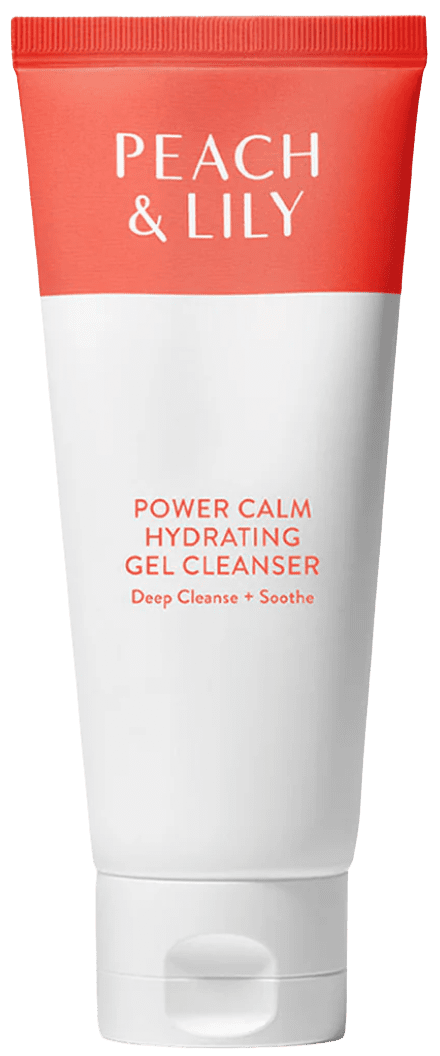
This gel cleanser can be particularly beneficial for sensitive or dehydrated skin. It uses calming ingredients that help support the skin barrier while providing a thorough, non-stripping cleanse. Key ingredients like chamomile and camellia extract work to soothe irritation, while hyaluronic acid provides lasting hydration.

Peach & Lily Power Gel CleanserErborian Centella Cleansing Gel

I like this lightweight gel because it removes the last traces of dirt and makeup while keeping the skin smooth and hydrated. It’s a great choice for anyone who prefers a gentle but effective second cleanse. Its formula includes licorice root and centella asiatica extracts, which brighten and calm the skin at the same time.

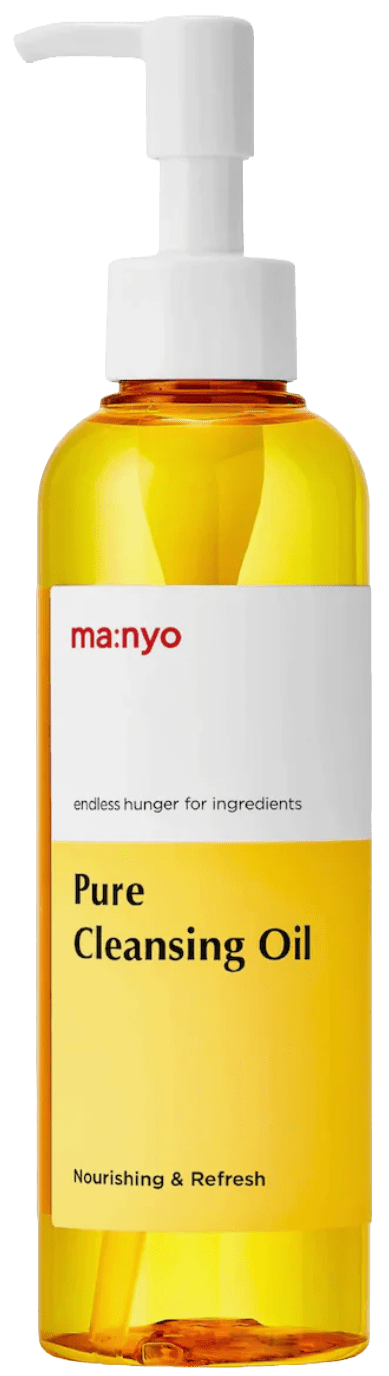
Erborian Centella Cleansing GelMa:nyo Pure Cleansing Oil

This nourishing oil cleanser uses plant oils that leave the skin soft while maintaining barrier health. I recommend it for anyone who wears heavier makeup or sunscreen — it’s a perfect first step in a double-cleansing routine. It contains a blend of olive, jojoba, and argan oils that dissolve impurities while adding moisture and essential fatty acids back into the skin.

Ma:nyo Pure Cleansing OilEtude SoonJung pH 6.5 Whip Facial Cleanser

It cleans gently without irritation, making it ideal for sensitive or reactive skin. I often suggest it to patients who want a mild, calming cleanser that protects the skin’s natural barrier. With panthenol to restore hydration and madecassoside to calm redness, it’s one of my go-to choices for anyone with compromised skin.

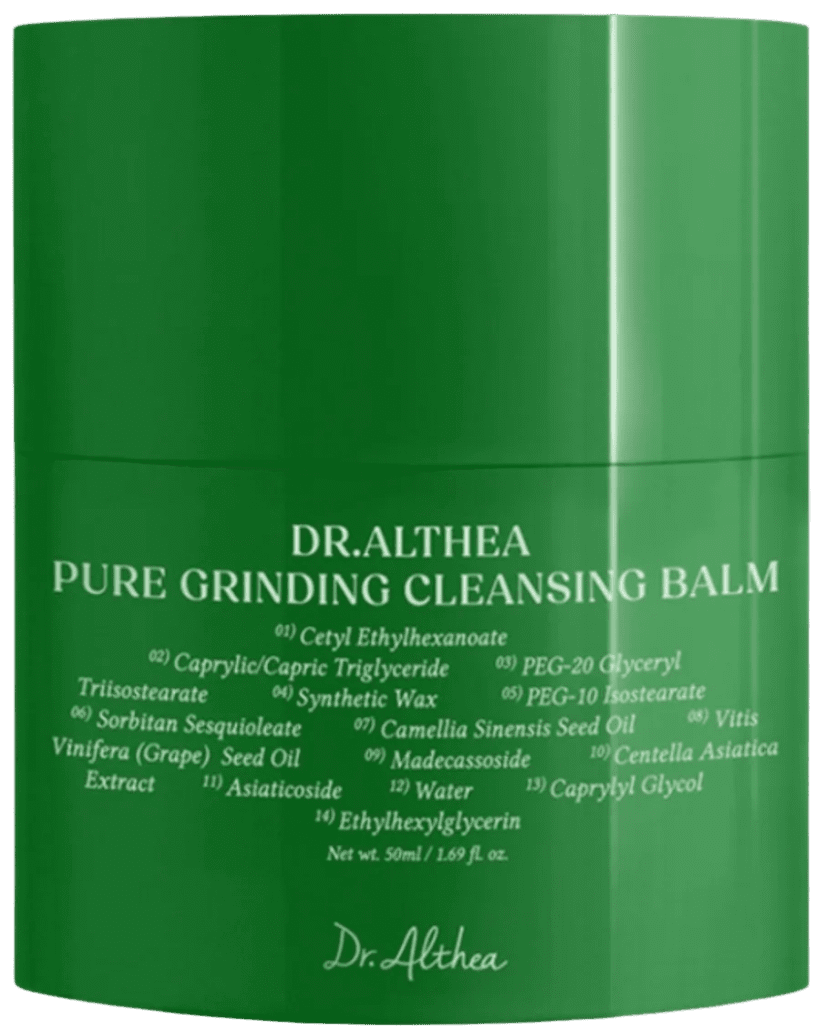
Etude SoonJung pH 6.5 Whip Facial CleanserDr. Althea Pure Grinding Cleansing Balm

I like this cleansing balm for patients who need deep cleansing without dryness or irritation. It melts away buildup while leaving skin soft, hydrated, and refreshed. The balm is infused with ceramides and soothing botanical oils that replenish the skin barrier while thoroughly removing impurities.

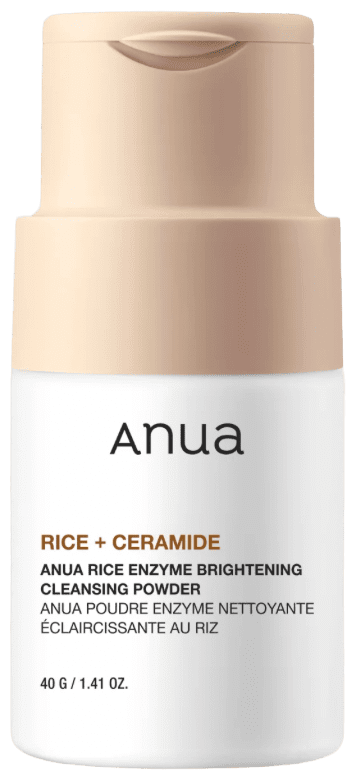
Dr. Althea Pure Grinding Cleansing BalmAnua Rice Enzyme Brightening Cleansing Powder

This powder cleanser is great for adding radiance and smoothness without irritation. You can adjust the intensity by changing how much water you add, which makes it suitable for both normal and sensitive skin types. The rice enzymes provide gentle exfoliation, while niacinamide helps brighten dull areas and improve overall tone.

Anua Rice Enzyme Brightening Cleansing Powder

Best Moisturizers for Glowing Skin | As Seen in Vogue

Glowing skin starts with the right moisturizer. Hear Dr. Alexandra Bowles share her expert recommendations for hydrating formulas that nourish, protect, and leave your complexion naturally radiant. Don’t forget to check out the full article in Vogue!

Best Moisturizers for Glowing Skin | As Seen in Vogue

Dr. Bowles’ Top Picks

From Mona Dermatology:

Other Options:

  • iNNBeauty Project Extreme Cream: This cream is a wonderful option for patients looking for deep hydration paired with visible results. Its rich texture immediately comforts dry or mature skin, but what sets it apart are the clinically measured improvements in firmness and elasticity after six weeks of consistent use. The formula helps smooth deep wrinkles, plump the skin, and visibly contour areas of sagging, giving the complexion a healthier, more lifted appearance. It leaves skin looking luminous without feeling greasy. For those wanting both barrier support and anti-aging benefits in one step, this cream strikes a really nice balance.
  • Clinique Moisture Surge: Clinique’s Moisture Surge is an excellent choice for those looking for lasting hydration in a lightweight, refreshing formula. With hyaluronic acid and aloe bio-ferment, it penetrates deeply to deliver up to 100 hours of stabilizing hydration, helping skin bounce back from everyday stressors like lack of sleep, travel, or sun exposure. It not only hydrates but also protects with antioxidants like vitamins C and E, which guard against environmental “dehydrators” that accelerate aging. Skin feels soothed within seconds, with a soft glow that lasts, making it especially helpful for those prone to dryness or dullness. Plus, its smooth, gel-cream texture preps the skin beautifully for makeup, giving patients a hydrated base without greasiness or pilling.
  • Sulwhasoo Concentrated Ginseng Renewing Cream: The Sulwhasoo Concentrated Ginseng Renewing Cream is a rich, nourishing option for anyone looking to target dryness and visible signs of aging. Powered by ginseng and peptides, it helps skin feel firmer and more resilient while smoothing the look of fine lines. The added vitamin C derivative brings a healthy brightness, and squalene gives deep, lasting hydration without being heavy. I like that it works well across most skin types, leaving the complexion plumper, hydrated, and more radiant with regular use. What makes this cream stand out is how it brings a sense of luxury to your daily routine, while still delivering results you can actually see and feel. The texture melts into the skin without heaviness, which makes it easy to use day or night. With time, skin not only looks firmer,  but also feels healthier and more supported.
  • Paula’s Choice Skincare C5 Super Boost Moisturizer: Paula’s Choice C5 Super Boost Moisturizer is a great option for patients looking for hydration and brightening in one step. The lightweight gel-cream texture makes it easy to wear daily, whether under makeup or on its own, and it leaves skin feeling refreshed rather than heavy. With 5% vitamin C, it helps counter dullness and protect against free-radical damage from the environment, something I emphasize to patients dealing with early signs of sun damage. The dual-encapsulated lipid blend is especially helpful for supporting barrier health, keeping skin resilient and balanced over time. I also like that it “trains” the skin to stay hydrated, meaning the benefits build with consistent use, leaving skin looking firmer, smoother, and more supple.
  • Tata Harper Water-Lock Moisturizer: The Tata Harper Water-Lock Moisturizer is a beautiful option for patients who want hydration and priming in one easy step. It uses orange peptides and pomegranate spheres to create a breathable, smoothing barrier without relying on silicones, making it especially appealing for those with sensitive or acne-prone skin. Its water-locking technology delivers steady surface hydration, helping skin feel fresh and comfortable all day. Patients love that the lightweight, gel-like texture layers beautifully under makeup, almost like a built-in primer. For anyone looking to simplify their routine while still keeping skin healthy, hydrated, and radiant, this moisturizer checks a lot of boxes.

Face Exfoliators for Radiant Skin | As Seen in Vogue

With so many different options available for each step of your skincare routine, it can be hard to know which products are worth your time. Board-certified Dr. Alexandra Bowles dives deep into one key product- skin exfoliators. Hear all of her expert advice and product recommendations, and be sure to check out the full article in Vogue!

Best Exfoliators: As Seen in Vogue

What should you look for when buying a face exfoliator?

When choosing a face exfoliator, think of it like matchmaking. You’re pairing your skin’s needs with the right formula. Look for ingredient lists that address your main concerns: salicylic or glycolic acid for oily skin and congestion, lactic acid or fruit enzymes for dryness or sensitivity. If you’re acne-prone, tea tree oil or benzoyl peroxide can be helpful, but only with balanced hydration. Texture matters too. Avoid gritty scrubs with jagged particles that can scratch the skin. Start slowly with new exfoliants, especially acids, and let your skin build tolerance before increasing frequency. And don’t forget, daily SPF is non-negotiable to protect your skin’s progress.

What are the benefits of exfoliating?

Exfoliation is like giving your skin a reset. It removes buildup that dulls your complexion and reveals the fresh, healthy cells underneath. This helps products absorb more effectively, pores stay clearer, and breakouts become less frequent. With consistent use, exfoliation can refine rough texture, brighten uneven tone, and even soften the look of fine lines by supporting cell turnover and collagen production. It also encourages a smoother, more even skin surface, which can make makeup apply flawlessly. The real secret is balance: exfoliate regularly enough to keep skin fresh, but gently enough to avoid irritation. Don’t forget to always follow with SPF to maintain those results!

Is it better to exfoliate with scrubs or acids?

Both scrubs (physical exfoliants) and acids (chemical exfoliants) can be effective when used appropriately for your skin type. Physical exfoliants use small particles to manually remove dead skin, which can give an immediate smooth feel, but must be gentle to avoid irritation. It is a common mistake for patients to overuse physical exfoliants and cause more harm than good!  Acids like glycolic, lactic, or salicylic work by dissolving the bonds between dead skin cells, often offering a more even, controlled exfoliation. I find chemical exfoliants to be less abrasive and better for consistent use. The best choice comes down to your skin’s tolerance, goals, and preference. Sometimes a combination of both, used at different times, works beautifully.

Can you speak to the ingredients in these exfoliants? How do they work?


Dr. Bowles’ Top Pick: Skinmedica AHA/BHA Exfoliating Cleanser

This cleanser incorporates both AHAs such as lactic acid, glycolic acid, citric acid, and malic acid and BHA’s such as salicylic acid to enhance skin texture. It also has soft jojoba spheres to gently exfoliate and minimize skin irritation. This product is my go-to for acne prone skin and anyone looking to improve skin texture and minimize wrinkles. 

CeraVe Renewing Salicylic Acid Cleanser

This gentle cleanser features salicylic acid, a beta-hydroxy acid that can penetrate into pores to help reduce congestion and smooth skin texture. It also contains ceramides to support the skin barrier and hyaluronic acid for hydration, making it a balanced choice for regular use. It’s an especially good option for oily or acne-prone skin types.

Monastery XX Rose Glycolic Gel

This gel blends glycolic acid, a well-studied alpha hydroxy acid, with soothing rose extract to help dissolve the bonds between dead skin cells. The result is a brighter, more even-looking complexion with improved skin clarity over time. Because glycolic acid can increase sun sensitivity, I recommend using this at night and pairing it with diligent sunscreen use in the daytime.

Blue Lagoon Lava Scrub Mask

Formulated with Icelandic lava particles, this mask provides a natural physical exfoliation that helps buff away dull, dead skin cells. Mineral-rich geothermal seawater adds a skin-conditioning benefit, leaving skin feeling refreshed and soft. I recommend using it sparingly, (once a week is often enough) to avoid over-exfoliation.

PCA Skin Daily Exfoliant

This exfoliant combines gentle enzymes and ultra-fine physical particles for a dual-action approach to smoothing skin. It’s designed for daily use, but I always advise listening to your skin. If you notice dryness or irritation, scale back to a few times a week. Its balanced formula makes it versatile for many skin types, though those with very sensitive skin should patch-test first.

SkinCeuticals Cell Cycle Catalyst

This serum is designed to support healthy skin renewal with a blend of gentle exfoliating acids and antioxidants. By encouraging natural cell turnover, it helps refine skin texture, improve luminosity, and prep the skin to better absorb subsequent treatments. The addition of antioxidant protection makes it especially appealing for those looking to address both early signs of aging and environmental stressors in a single step. I recommend pairing it with a daily SPF to maintain results and protect new skin cells.

How to Treat Foot and Toenail Fungus | As Seen in HuffPost

Foot and toenail fungus can be tricky to get rid of, especially when the infection thrives in moist areas like our shoes and skin. Listen to Dr. Alexandra Bowles give us some insight on why these infections happen and how to treat them. Be sure to check out the full article in HuffPost!

How to Treat Foot & Toenail Fungus | As Seen in HuffPost

What can cause the formation and persistence of foot and toenail fungus? Are there different kinds?

Foot and toenail fungus develops when fungi, such as dermatophytes, molds, or yeast, feed on keratin in nails and outer skin layers. They often thrive in the warm, damp environment of our shoes and skin. These infections can linger because fungal spores remain in footwear or on surfaces, ready to regrow when conditions allow. Some people are genetically more prone to chronic fungus since their immune system doesn’t recognize it as harmful, making reinfections common. The most frequent nail infection is onychomycosis, while skin infections often fall under athlete’s foot (tinea pedis). Athlete’s foot has four variations: toe web type, moccasin type, vesicular type, and the rare ulcerative type. The toe web type is most common between the toes, and moccasin type causes thickened, cracked skin on the soles and heels. The vesicular type often includes itchy, fluid-filled blisters, and the ulcerative type is marked by painful open sores. Children tend to fight these organisms off more effectively, while adults, especially those with diabetes or circulation problems, struggle with recurrence. Together, these conditions are frustrating but manageable with proper diagnosis, treatment, and prevention.

When it comes to products aimed at treating fungus, are there some key ingredients that people should look for? How do these products work?

When treating toenail or foot fungus, it’s important to know which ingredients actually target the infection and which simply improve nail appearance. True antifungals like clotrimazole work by stopping fungal growth at the source, making them great over-the-counter options for mild infections. Other ingredients such as urea, lactic acid, and salicylic acid don’t kill fungus directly but help by softening or thinning thickened nails, allowing antifungal agents to penetrate more effectively. Hydrating agents like propylene glycol can also keep nails flexible and reduce brittleness. Some people explore natural options like tea tree oil, menthol, or vinegar soaks, which may offer mild relief, but are less reliable than medications. The bottom line is to use products that contain both antifungal ingredients and support nail health. This will give you the best chance of managing symptoms while addressing the underlying infection.

Can you recommend the best products to treat and prevent foot and toenail fungus? Any specific socks, foot powders, nail treatments, shoes?

For patients dealing with toenail or foot fungus, I usually suggest a few reliable products that work best when combined into a routine. Tolnafate or other clotrimazole-based solutions help target the fungus directly. These products can be applied daily to the nail and surrounding skin. Antifungal foot powders are a great way to reduce foot moisture and stop fungal growth. You can also try moisture-wicking socks made from merino wool or synthetic blends, which can prevent sweat from lingering. I also recommend choosing breathable shoes, like sneakers with mesh uppers. It’s also a good idea to rotate your daily shoes so they have time to air out between wears. For an extra layer of prevention, some patients benefit from UV shoe sanitizers, which help kill fungus and bacteria inside footwear. When used together, these products not only treat fungal infections but also create an environment where fungus is far less likely to thrive.

Are there any other tips you can give us for dealing with foot and toenail fungus?

Toenail and foot fungus can be stubborn, so patience and consistency are key when treating them. Even with the right products, it often takes several weeks or months to see noticeable improvement because nails grow slowly. Preventive habits are just as important as treatment itself. Take care of your feet by keeping them clean and dry, trimming nails regularly, and wearing breathable socks and shoes. Be sure to avoid walking barefoot in communal areas where fungi can thrive. If you have persistent infections, pain, or an underlying health condition like diabetes, I strongly recommend seeing a doctor or podiatrist for more targeted care.


SPF Myths, Facts, and Smarter Sun Protection | As Seen in Real Simple

We all know that using sunscreen is the best way to protect your skin on those bright, sunny days. But there’s a bit more discourse on the best methods and products to use for the most protection against harmful rays. Hear board-certified dermatologist Dr. Alexandra Bowles share some insights and debunk some common SPF misconceptions, and be sure to check out the full article in Real Simple!

SPF Explained: Myths, Facts, and Smarter Sun Protection

What are your thoughts on high SPF? Does it ever work better than the recommended 30?

High SPF sunscreens can offer slightly more UVB protection than SPF 30, but the difference isn’t as dramatic as many people think. For example, SPF 30 blocks about 97% of UVB rays, while SPF 50 blocks around 98%, a small difference that can create a false sense of security. What matters most is applying sunscreen generously and reapplying every two hours, no matter the SPF. I always recommend a broad-spectrum sunscreen with at least SPF 30 for daily use, and higher SPFs if you’re at higher elevations, near the equator, or have increased risk factors. Just remember: sunscreen is one part of a full sun-protection strategy. Don’t skip the hats, shade, and protective clothing!

What happens if you don’t apply enough of the high SPF or don’t apply it as frequently as needed?

If you don’t apply a high enough SPF or skip reapplying it every two hours, your skin won’t get the full protection listed on the label. This can leave you vulnerable to sunburn, premature aging, and even skin cancer. Underuse can also lead to uneven coverage, which increases the risk of pigmentation issues or flare-ups in sensitive skin conditions like melasma or rosacea. For SPF to do its job, consistency and the right amount matter just as much as the number on the bottle.

What is your recommendation for any and all sunscreen application?

I always remind my patients that how you apply your sunscreen is just as important as which one you choose. For full protection, apply a generous amount, about a nickel-sized dollop for the face and a shot-glass amount for the whole body, at least 15 minutes before sun exposure, and reapply every two hours when outdoors or immediately after swimming or sweating. Don’t forget commonly missed spots like your ears, neck, and the tops of your hands and feet. Sunscreen should be worn daily, not just at the beach, but also anytime you’re exposed to daylight, including while driving, sitting near windows, or taking a quick walk outside. UV rays are present year-round and can penetrate clouds and glass, so daily SPF is one of the best habits you can adopt for long-term skin health.

Which SPF products would you recommend?

Colorscience Sunforgettable Total Protection Face Shield Classic SPF 50 –This hydrating, antioxidant-rich mineral formula provides complete protection from environmental aggressors in a weightless texture that blends in sheer, for a natural bare-faced finish. I love the tinted formula and that they have different shades to choose from!

EltaMD UV Daily SPF 40 – Lightweight, hydrating, and perfect under makeup, this is a great everyday sunscreen for dry or sensitive skin. It contains hyaluronic acid and antioxidants to nourish while protecting.

La Roche-Posay Anthelios Melt-in Milk SPF 60 – Another daily go-to that’s widely available and works well for all skin types. Its non-greasy finish makes it ideal for layering.

Top Cleansing Oils to Try | As Seen in Vogue

When your typical facewash or makeup remover just won’t cut it, try a cleansing oil to quickly and effectively cleanse your skin of makeup, sunscreen and more. Join us in learning which products will get the job done with board-certified Dr. Alexandra Bowles. Be to check out the full article in Vogue!

The Best Cleansing Oils: As Seen in Vogue

Are cleansing oils really worth it?

Absolutely! Cleansing oils can be a fantastic addition to your skincare routine, especially for gently removing sunscreen, makeup, and excess sebum without stripping your skin. They’re designed to bind to oil-based impurities so they rinse away cleanly, leaving your skin soft and balanced. I often recommend them as the first step in a double cleanse for most skin types, including sensitive skin.

Do cleansing oils clog pores?

As for clogging pores, not all oils are created equal. Many cleansing oils are formulated with non-comedogenic ingredients like jojoba or squalane that won’t clog pores and can actually help regulate oil production. That said, it’s important to choose a formula that suits your skin type. Be sure to rinse thoroughly, or follow with a gentle cleanser if you’re acne-prone or oily.

What products do you recommend?

Dermalogica Precleanse Cleansing Oil

I recommend this oil for patients looking to deeply cleanse without stripping their skin, especially if they wear sunscreen or makeup daily. It contains olive and kukui nut oils to dissolve buildup while borage seed oil calms and supports the skin barrier. These ingredients make it a gentle but effective first step in a double cleanse.

YSE Beauty Take It Off Gel-Oil Cleanser 

This cleanser is great for sensitive or dry skin types because it balances nourishment with a soft exfoliating touch. It blends squalane and meadowfoam seed oil with papaya enzyme to hydrate, dissolve impurities, and subtly smooth the skin without irritation.

Tata Harper Nourishing Makeup Removing Oil Cleanser

This nourishing oil cleanser is ideal for patients who want a plant-based formula that pampers the skin while removing makeup. With a blend of jojoba, sunflower, and calendula oils plus antioxidant-rich beta-carotene, it nourishes, calms, and protects the skin all at once.

SKIN1004 Madagascar Centella Light Cleansing Oil

I often recommend this one for those with acne-prone or sensitive skin, thanks to its lightweight, non-comedogenic formula and calming benefits. It features centella asiatica to reduce inflammation and sunflower and jojoba oils to gently lift away impurities without clogging pores.

Eve Lom Cleansing Oil

This silky oil cleanser is ideal for dry or mature skin types who want a thorough cleanse with added antioxidant protection. It includes grape seed and camellia oils to soften and nourish the skin, along with vitamin E to help defend against environmental stress.

Repairing Skin Post-Breakout | As Seen in Girl’s Life

Breakouts can be a huge inconvenience, made worse when scars and dark spots linger. Learn more about how to repair skin post-breakout from board-certified dermatologist Dr. Alexandra Bowles, as featured in Girl’s Life.

Repairing Skin Post-Breakout: As Seen in Girl's Life

What are the steps to getting skin back to even-toned and healthy after a breakout?

If you’re a teen dealing with post-breakout marks, you’re definitely not alone. The good news is that you can take simple, practical steps to help your skin heal. Start with a gentle cleanser (no scrubbing!) and a lightweight, oil-free moisturizer to keep your skin balanced. Sunscreen is a must every day, even when it’s cloudy, because sun exposure can make dark marks linger. Ingredients like niacinamide, retinol, and vitamin C can help fade spots, but go slow and steady. Remember, healing takes time, so try not to pick or pop pimples, no matter how tempting it is. Doing so can make those blemishes look worse and last longer.

Are there any lifestyle habits that help? Any products or practices that should be avoided or added in?

After a breakout, it’s really important for teens to avoid picking or squeezing. Using zit stickers can be a gentle reminder to keep their hands off, especially if the spots are open or scabbing. Keeping your skin clean with a gentle cleanser and a lightweight moisturizer helps your skin heal without causing extra irritation. Don’t forget sunscreen every day, because sun exposure can make those marks stick around longer. After sports, wash your face as soon as possible to clear away sweat and bacteria that can trigger more breakouts. And if you wear makeup, always make sure to remove it entirely before bedtime so your skin can breathe and repair overnight. Drinking plenty of water and staying hydrated is another simple but powerful way to support your skin’s natural healing. Plus, getting enough rest and managing stress really support your skin’s healing process, so don’t overlook those healthy habits!

What about ingredients to incorporate? Vitamin C to brighten discoloration? Chemical exfoliants to resurface the skin?

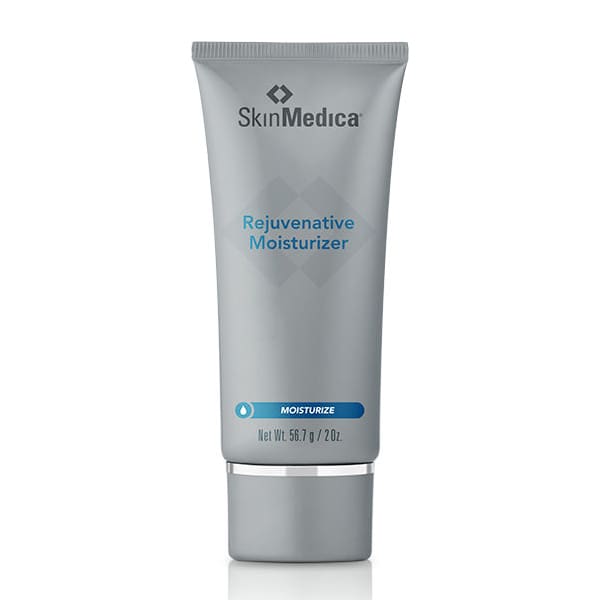
Absolutely! Vitamin C is an excellent addition to help brighten dark spots and even out your skin tone, giving your complexion a healthy glow. Gentle chemical exfoliants like AHAs (such as glycolic acid found in products like SkinMedica AHA/BHA Exfoliating Cleanser) or BHAs (like salicylic acid in Skinmedica Pore Purifying Cleanser or Cerave Acne Control Cleanser) can help resurface the skin by removing dead cells and promoting cell turnover. But it’s important to start slowly to avoid irritation. Always pair these treatments with daily sunscreen to protect your skin and prevent further discoloration. And don’t forget to keep your skin well-moisturized to support its natural barrier and help everything else work better.

If you were to put together a daily/weekly regimen for a teen girl who’s trying to repair her skin post-breakout, what would that look like?

If I were to put together a daily and weekly skincare regimen for a teen girl repairing her skin after a breakout, I’d start with a gentle cream cleanser formulated for acne, ideally one with salicylic acid or benzoyl peroxide. Washing twice a day, and always after sweating, helps keep pores clear without over-drying the skin. Next, using pimple patches or spot treatments with ingredients like benzoyl peroxide can calm inflammation and protect the skin from picking, which is so important to avoid scarring. If she wears makeup, I’d encourage her to choose non-comedogenic products and make sure to remove all makeup gently at the end of the day. Hydration is key, so I’d recommend a lightweight, oil-free moisturizer to balance the skin, especially when using acne-fighting products that can be drying. A daily application of a non-comedogenic sunscreen with at least SPF 30 is essential to protect healing skin from sun damage and prevent dark spots.

What can she do for scars that have been left behind? Any tools that would help, like a red light mask?

Patience and gentle care are key when it comes to fading scars left behind after a breakout. Your skin needs time to heal, and that’s completely normal. Ingredients like vitamin C and niacinamide can really help brighten and even out skin tone over time, especially when used consistently. Red light therapy can also be an added tool. It supports your skin’s natural healing process, reduces inflammation, and may help improve the overall appearance of scars. And while it’s tempting to try a bunch of new products at once, keeping your routine simple and soothing is best so you don’t overwhelm or irritate your skin. Most importantly, don’t forget your daily sunscreen. Protecting your skin from the sun prevents scars from darkening and helps them fade more evenly.

Is there anything else that you think is important to include on the topic of repairing skin post-breakout for a teen?

When it comes to healing your skin after a breakout, two of the most important things you can do are to be patient and protect your skin daily. It’s so important to treat your skin with kindness, so avoid picking, scrubbing too hard (scrubbing can make breakouts worse!), or using too many active products all at once. And don’t skip your sunscreen! Daily SPF helps prevent dark spots from getting darker and supports your skin’s natural healing process. If you enjoy wearing makeup, that’s perfectly fine too. Just look for products that won’t clog your pores and always wash them off gently at night to keep your skin clear and calm. Remember, gentle care and consistency are your best friends on the road to healthy skin.

Splurge vs. Save: Skincare Edition | As Seen in Cincinnati Magazine

Using high-quality skincare products is the foundation of healthy, beautiful skin. However, it’s no secret that skincare can also be expensive. Board-certified dermatologist, Dr. Alexandra Bowles, is breaking down what categories of skincare products you should spend a little extra on, and which products you can swap for a more affordable option without compromising on great results.

Splurge vs. Save: Skincare Edition | Dr. Alexandra Bowles Dermatologist

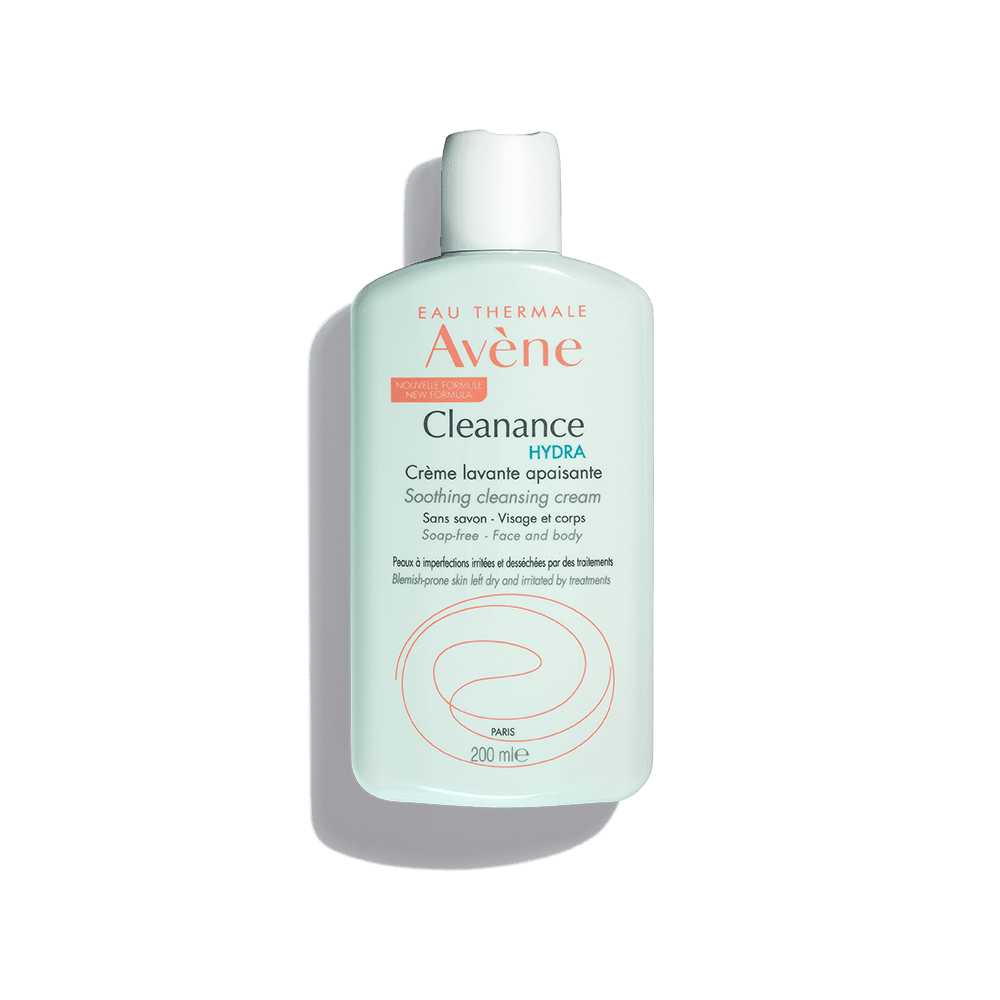
Cleanser – SAVE

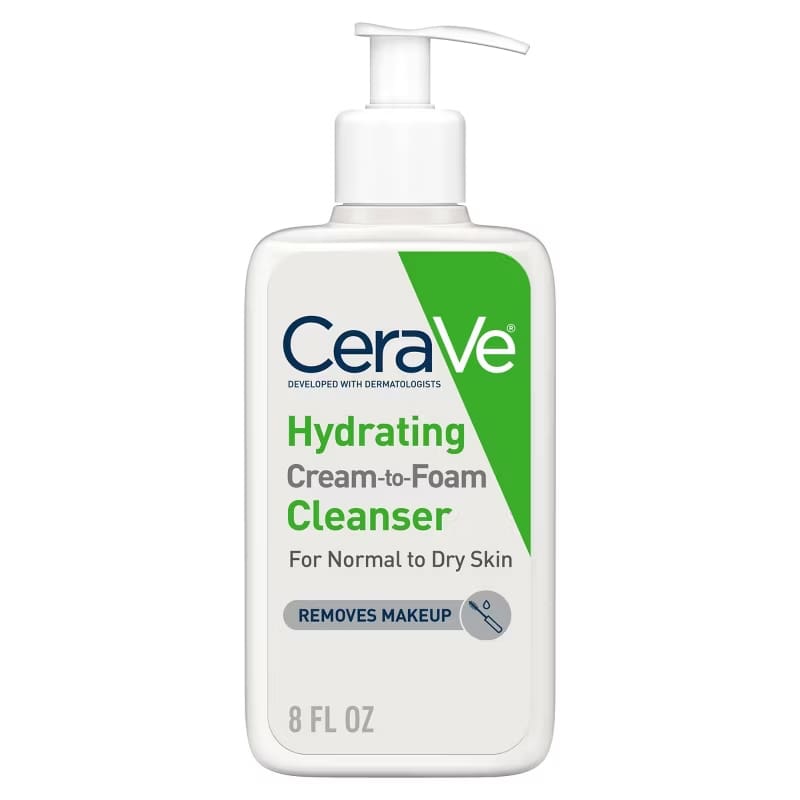
A good cleanser doesn’t need to break the bank. “Whether you’re spending $12 or $120, the primary job is the same—remove dirt, oil, and makeup without causing irritation or stripping your skin’s natural barrier,” explains Dr. Bowles. The key is finding a gentle formula that works for your skin type.

Dr. Bowles’ Cleanser Picks:

Growth Factor – SPLURGE

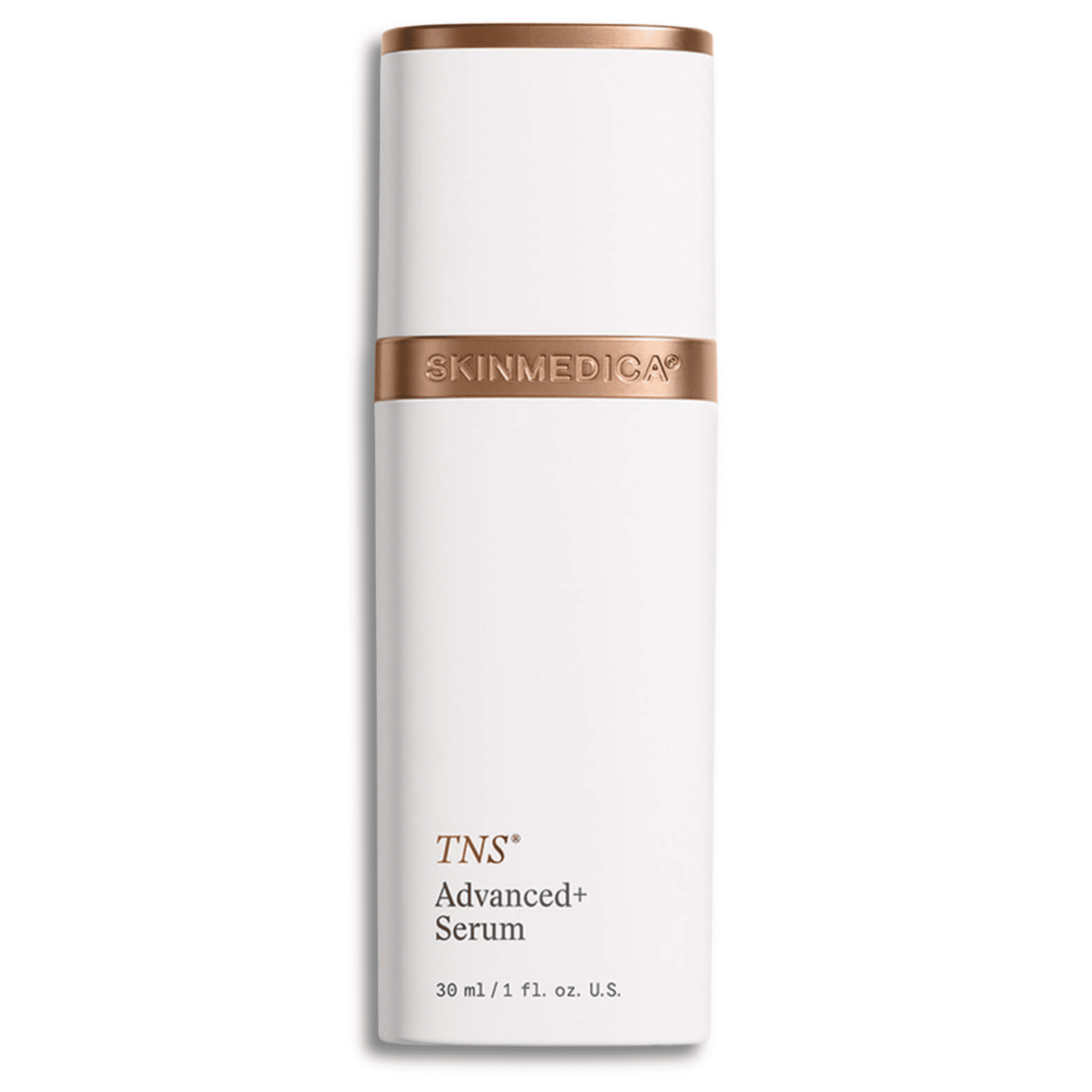
If you want to add a growth factor into your routine, this is not an area where you want to try to save. “Growth factors are complex proteins that require sophisticated formulation and clinical testing,” she explains. “The difference between a $30 and $150 growth factor serum is significant in terms of potency, stability, and results.” If you can’t splurge on a high-quality growth factor, it may be best to invest in other core parts of your routine, such as an antioxidant.

Growth factors help stimulate cellular renewal and collagen production, making them particularly valuable for anti-aging. Look for products from established medical-grade brands that invest in research and development. These serums may cost more upfront, but the concentrated formulations mean you’ll use less product and see better results over time.

Dr. Bowles’ Growth Factor Pick:

Antioxidant or Vitamin C – SPLURGE

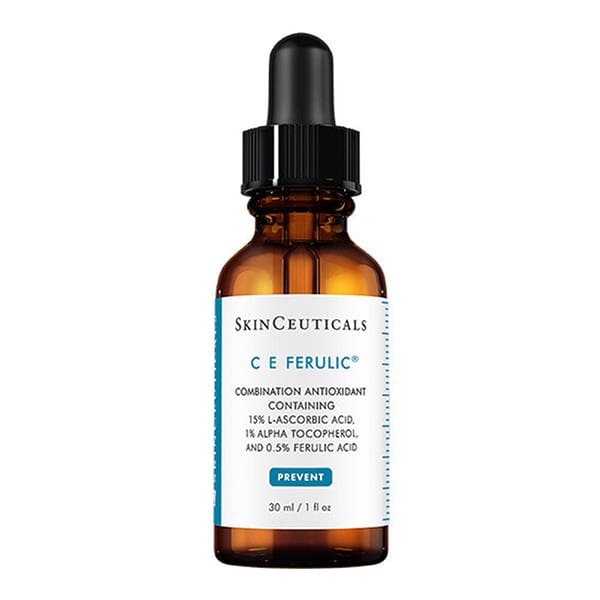
Vitamin C is notoriously unstable and difficult to formulate effectively. “A cheap vitamin C serum might oxidize quickly and become ineffective, or worse, irritating to your skin,” notes Dr. Bowles. Quality vitamin C or antioxidant products use stabilized forms of vitamins and protective packaging to maintain potency.

Look for serums in dark glass bottles, and check the ingredient list for L-ascorbic acid or stable derivatives like magnesium ascorbyl phosphate. While drugstore vitamin C products exist, investing in a well-formulated antioxidant serum will give you better protection against environmental damage and more visible results.

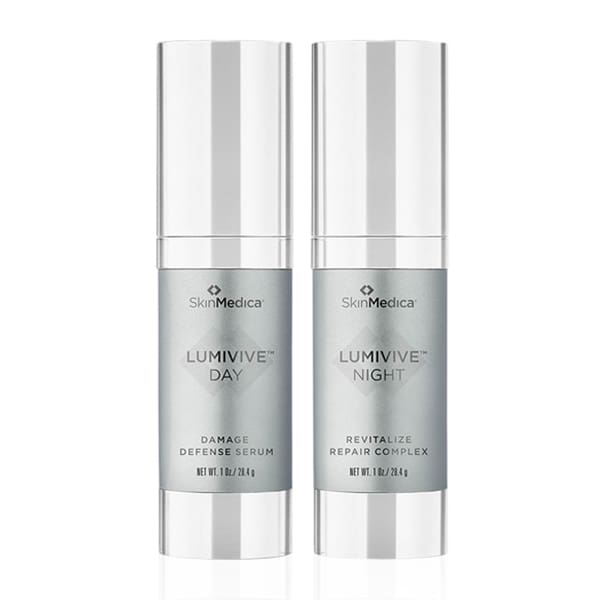
Dr. Bowles’ Antioxidant Picks:

Retinol – SAVE

Here’s where you can be strategic with your spending. “Over-the-counter retinol products have come a long way and can be very effective,” says Dr. Bowles. “In addition, prescription retinoids can often be covered by insurance and, as a result, will have a very low copay at the pharmacy.” 

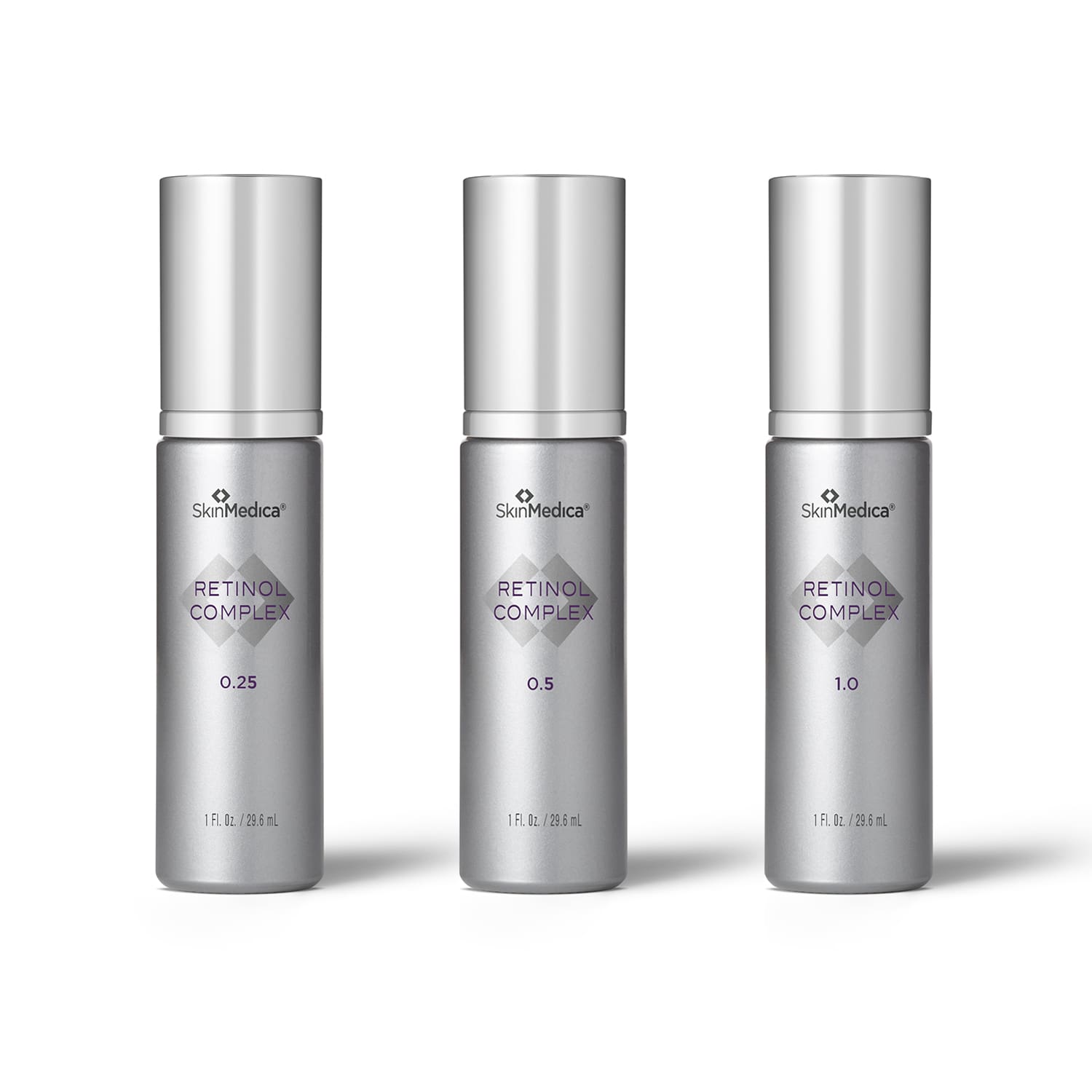
When choosing a retinol, the key is understanding concentration and formulation. A good-quality retinol will have a concentration shown on the label, such as 0.25 or 0.5. If you’re interested in a prescription-strength tretinoin, it’s best to schedule an appointment with your dermatologist.

Dr. Bowles’ Retinol Picks:

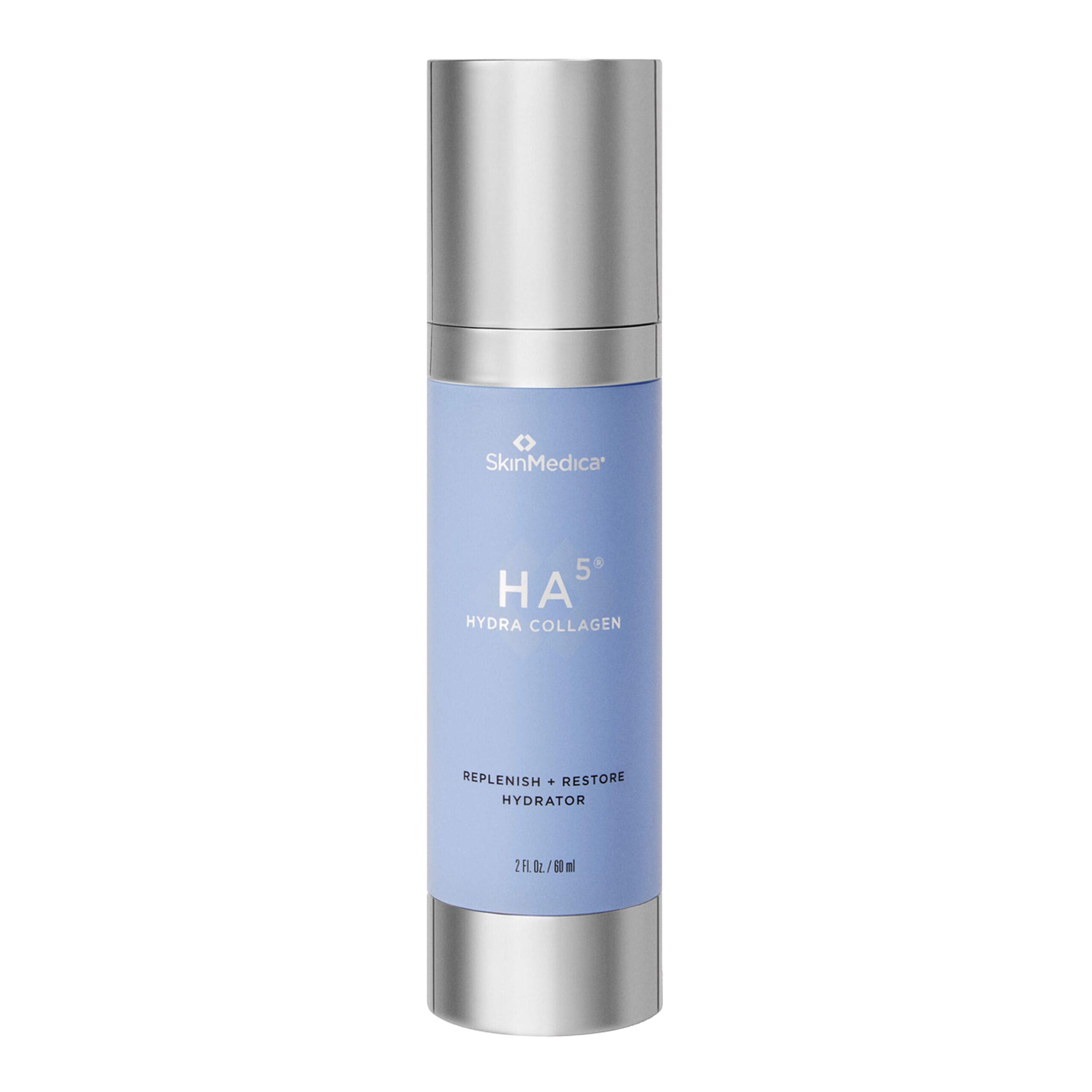
Hyaluronic Acid – SPLURGE

While hyaluronic acid might seem like a simple ingredient, the molecular weight and formulation make all the difference. “High-quality hyaluronic acid serums use multiple molecular weights to penetrate different layers of the skin and multiple types of HA for better results,” explains Dr. Bowles. “Cheaper versions often use only one type of HA or high molecular weight HA that sits on the surface.”

Look for serums that have been clinically studied and proven to achieve the intended results.

Dr. Bowles’ Hyaluronic Acid Pick:

Moisturizer – SAVE

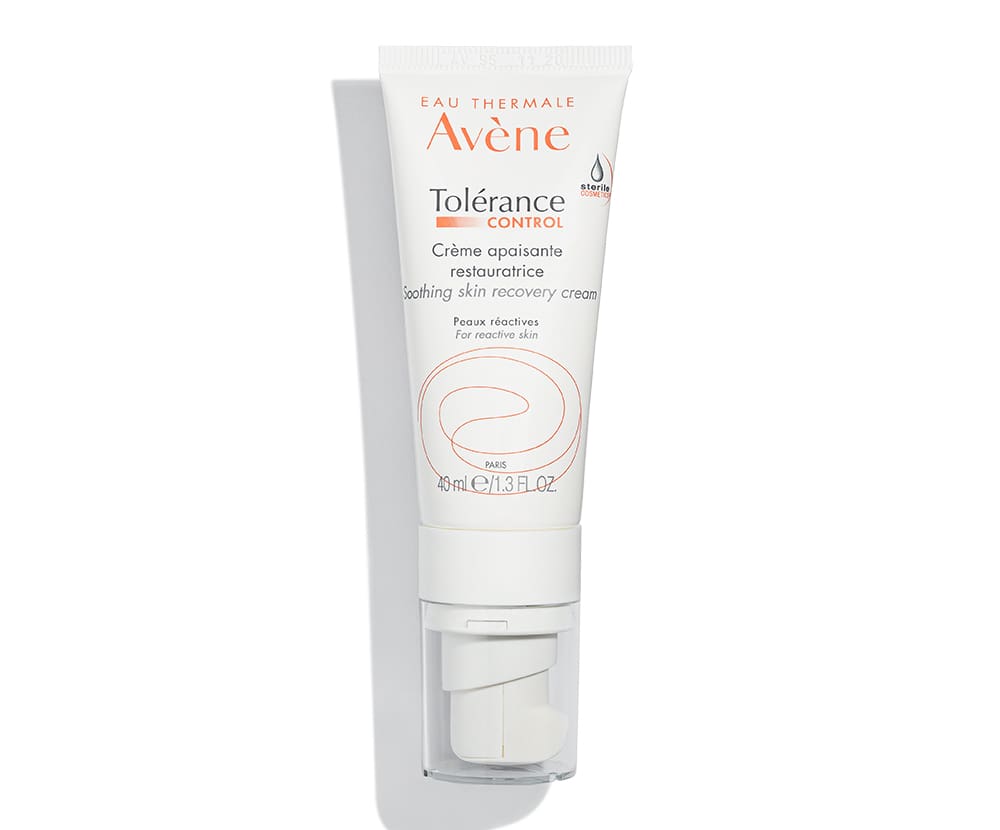
Good moisturizing doesn’t require luxury pricing. “The basic function of a moisturizer is to hydrate and protect your skin barrier,” notes Dr. Bowles. “Many affordable options do this just as effectively as expensive ones.” If you love your splurge moisturizer, there’s no reason to switch, but this is a great area to save if needed.

Focus on finding a moisturizer with high-quality ingredients: ceramides, niacinamide, and glycerin are beneficial ingredients that appear in both drugstore and high-end products.

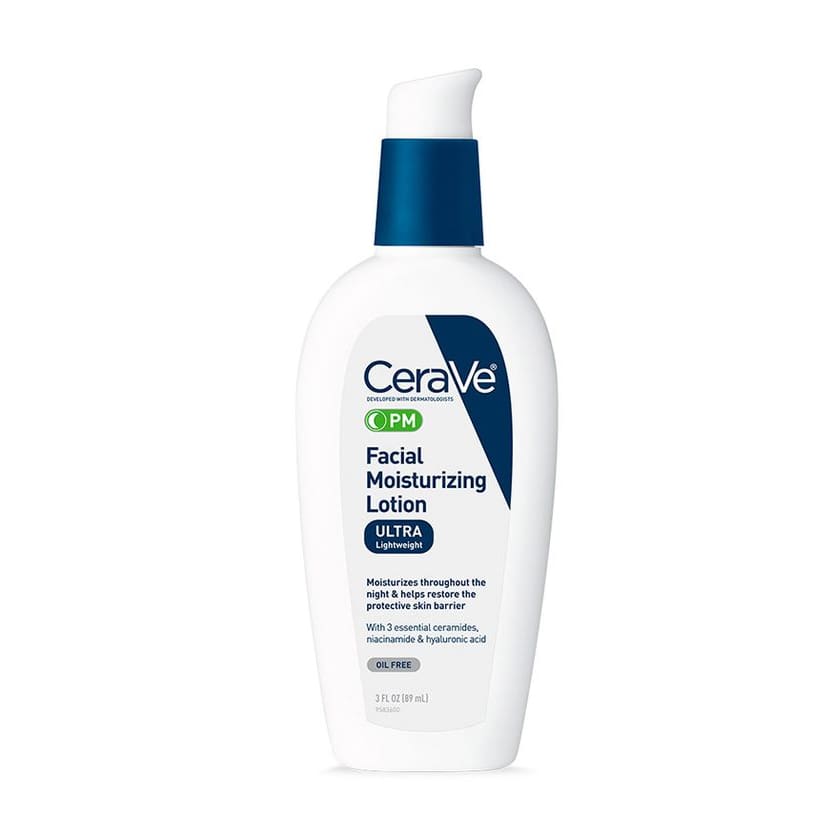
Dr. Bowles’ Moisturizer Picks:

  • CeraVe Facial Moisturizing Lotion – PM ($19.99)
  • Avène Tolerance Control Cream ($38.00)

Sunscreen – IT DEPENDS!

This category requires the most nuanced approach. “The best sunscreen is the one you’ll actually use every day,” emphasizes Dr. Bowles. “But there are some important distinctions to consider.”

For daily facial sunscreen, investing in a higher-quality product often pays off but is not necessarily required. Mineral sunscreens with zinc oxide or titanium dioxide are the best choice for sun protection, but budget brands can sometimes leave a white cast. You may wish to splurge on a formulation that blends better. If you are comfortable with a lighter coverage makeup, you could also consider finding a tinted SPF that you can use as your foundation (getting two products in one for greater savings!) If you’re considering sunscreens that aren’t mineral-based, make sure it has broad-spectrum coverage (UVA & UVB) and an SPF of at least 30.

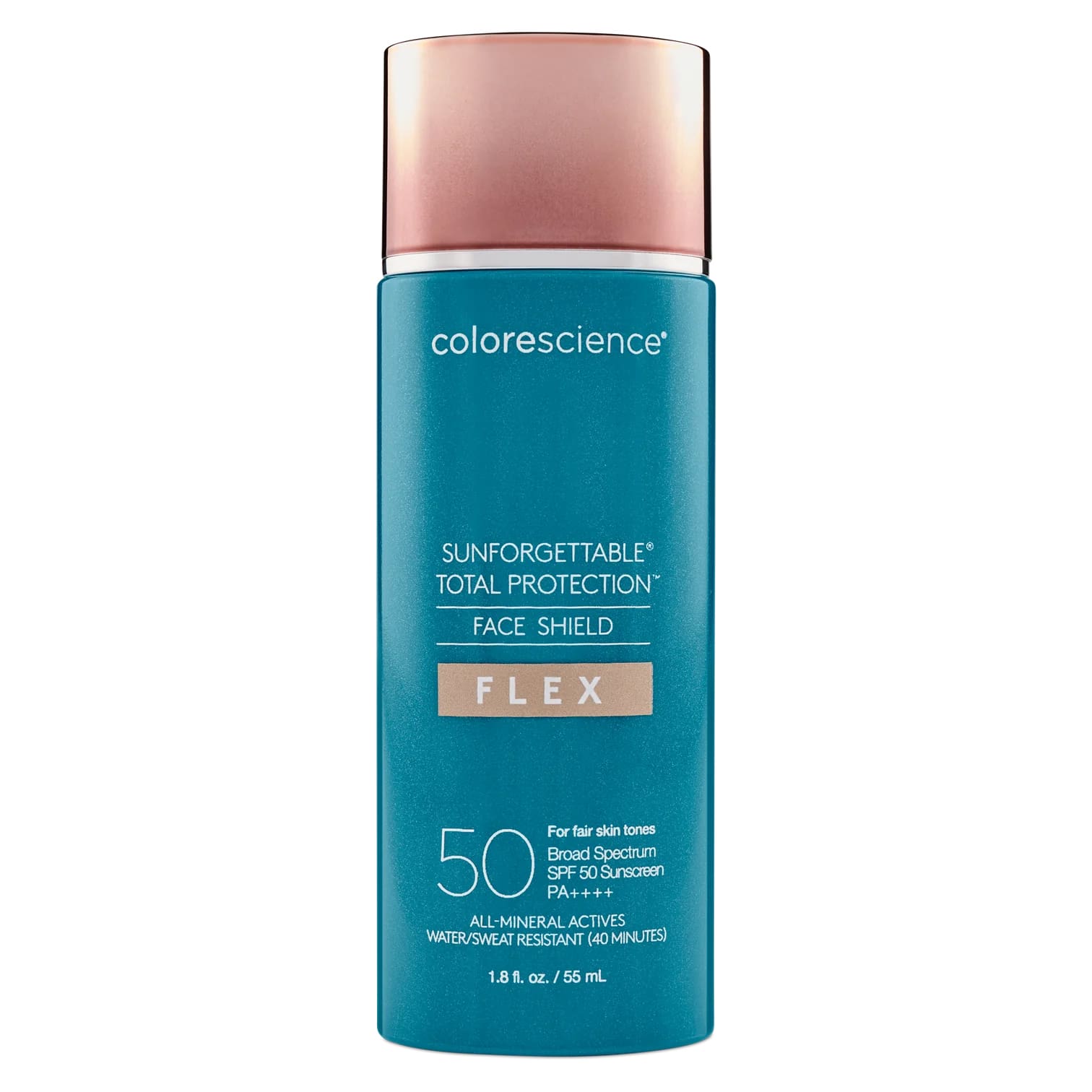
Dr. Bowles’ Sunscreen Picks:

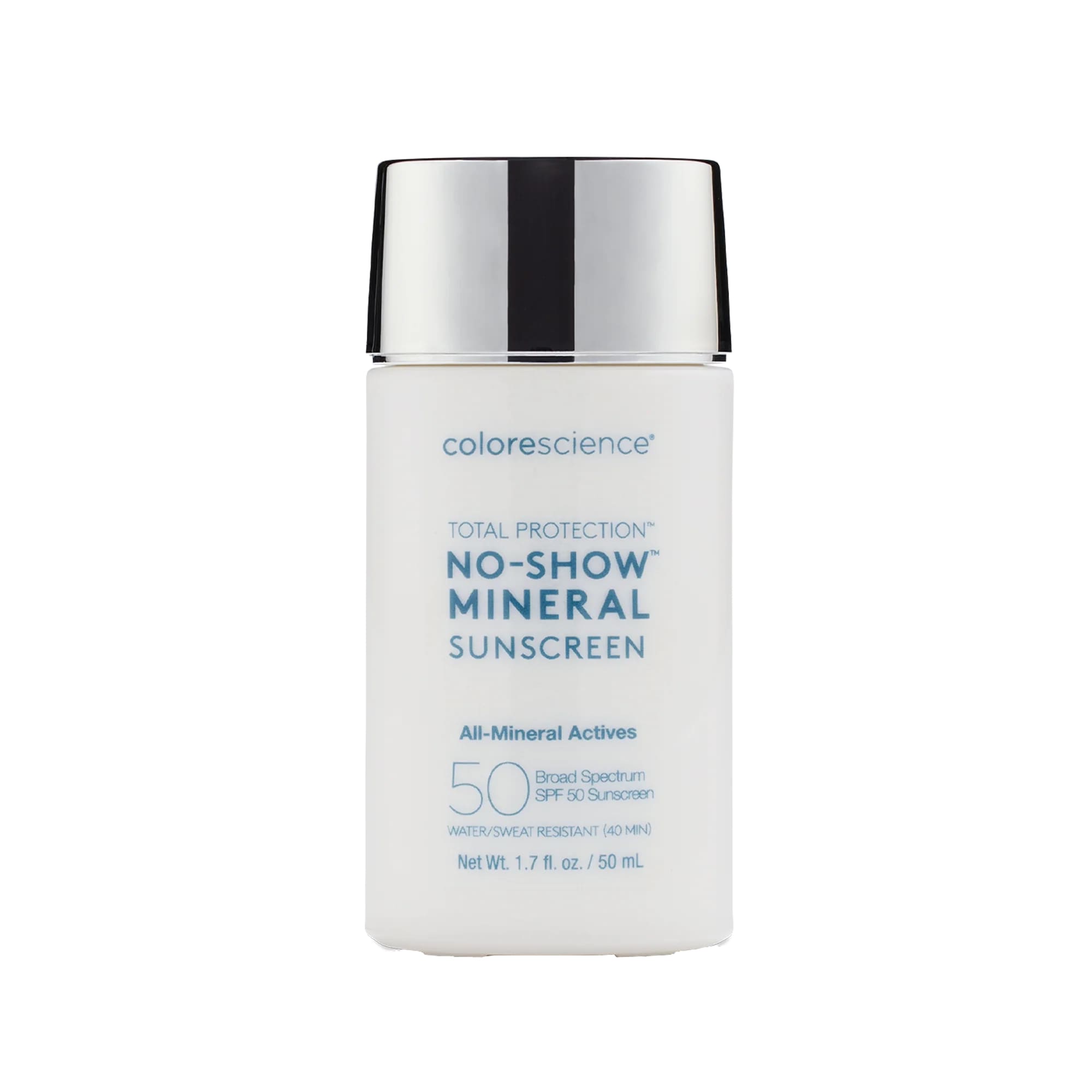
  • Splurge Option: Colorescience Face Shield Flex ($58.00) or No Show ($48.00)
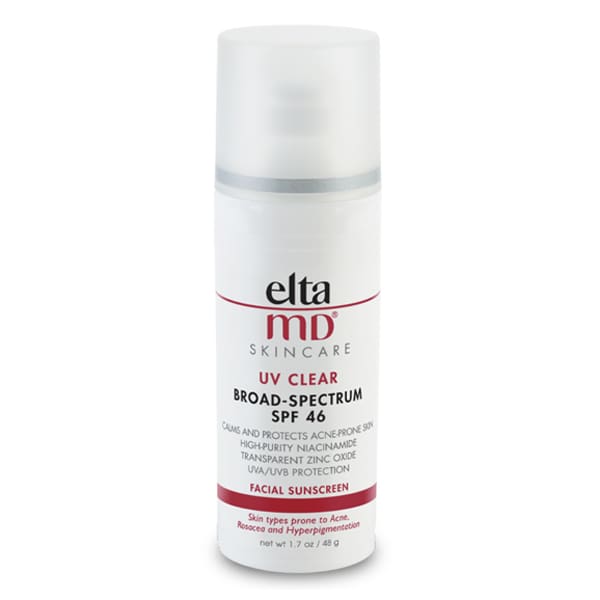
  • Mid-Range: EltaMD UV Clear, Non-Tinted ($44.00) or Tinted ($46.00)
  • Save Option: CeraVe Facial Moisturizing Lotion SPF 30 ($19.99)

The Bottom Line

Building an effective skincare routine doesn’t mean you need to splurge on every product. By being strategic about where you invest your money, you can create a regimen that delivers results without breaking the budget. Remember, consistency matters more than cost—the best skincare routine is one you’ll actually stick with.

Not sure where to start with your skincare routine? Schedule a consultation with Mona Dermatology to discuss which products and treatments are right for your specific skin concerns.